
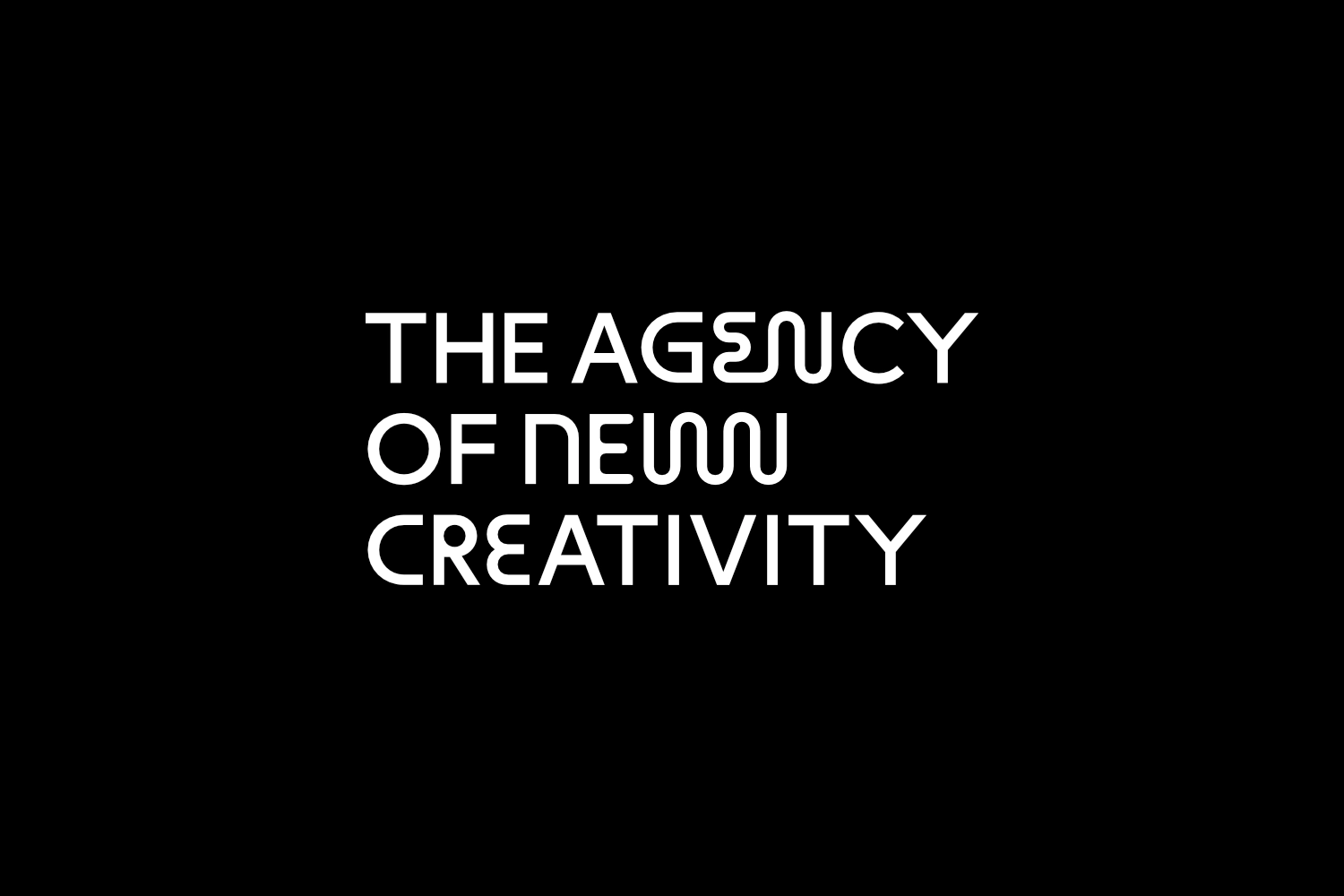
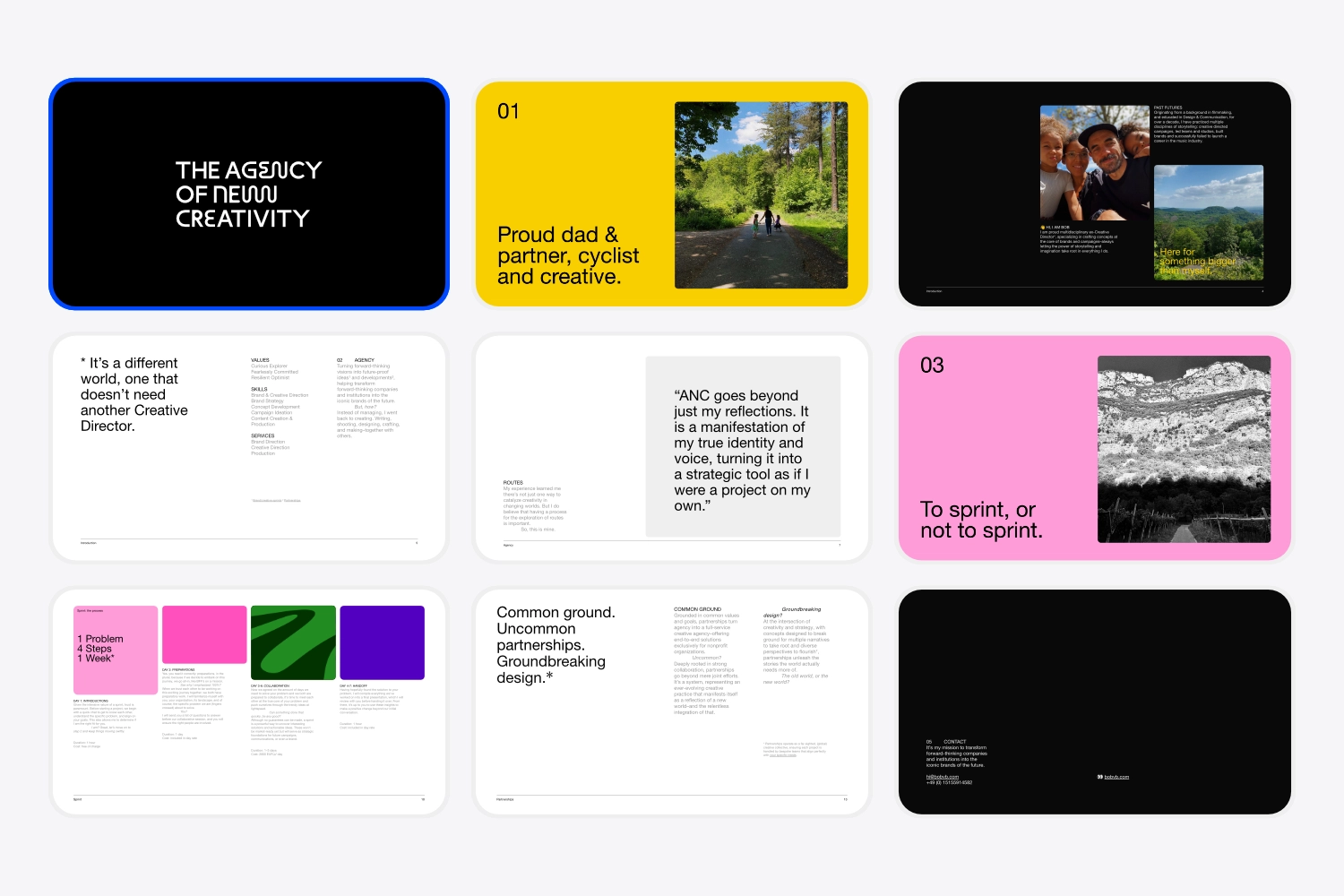
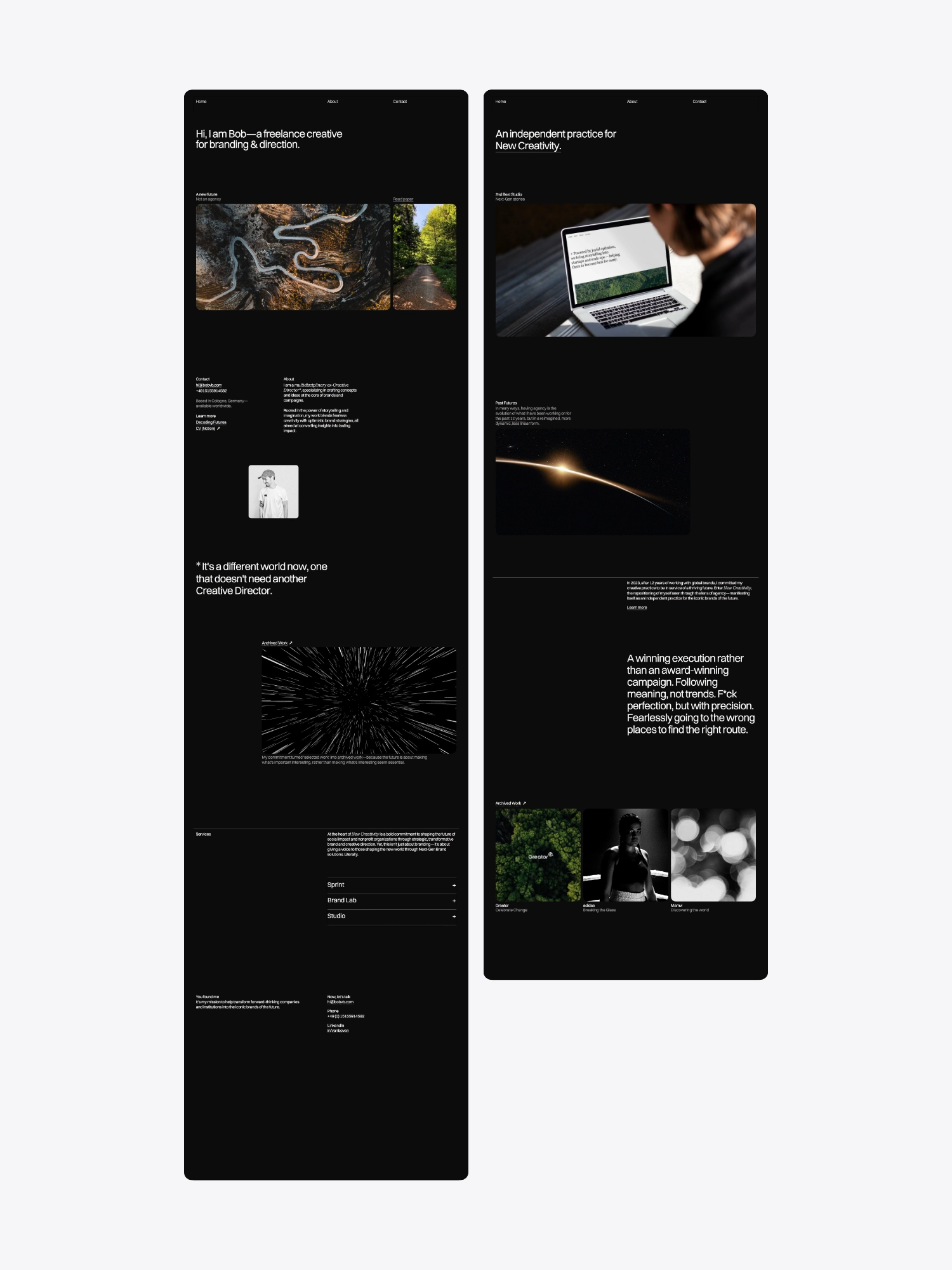
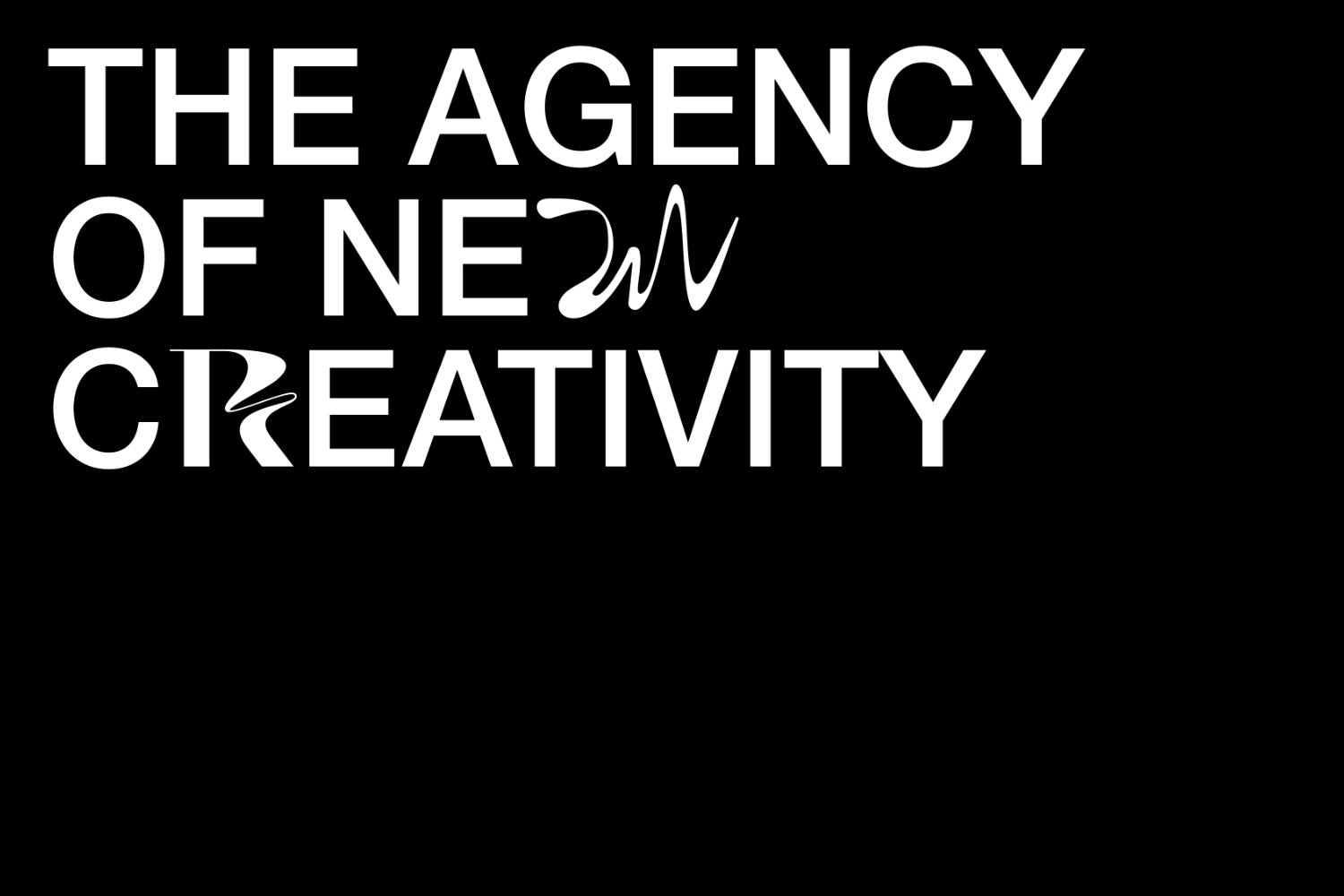
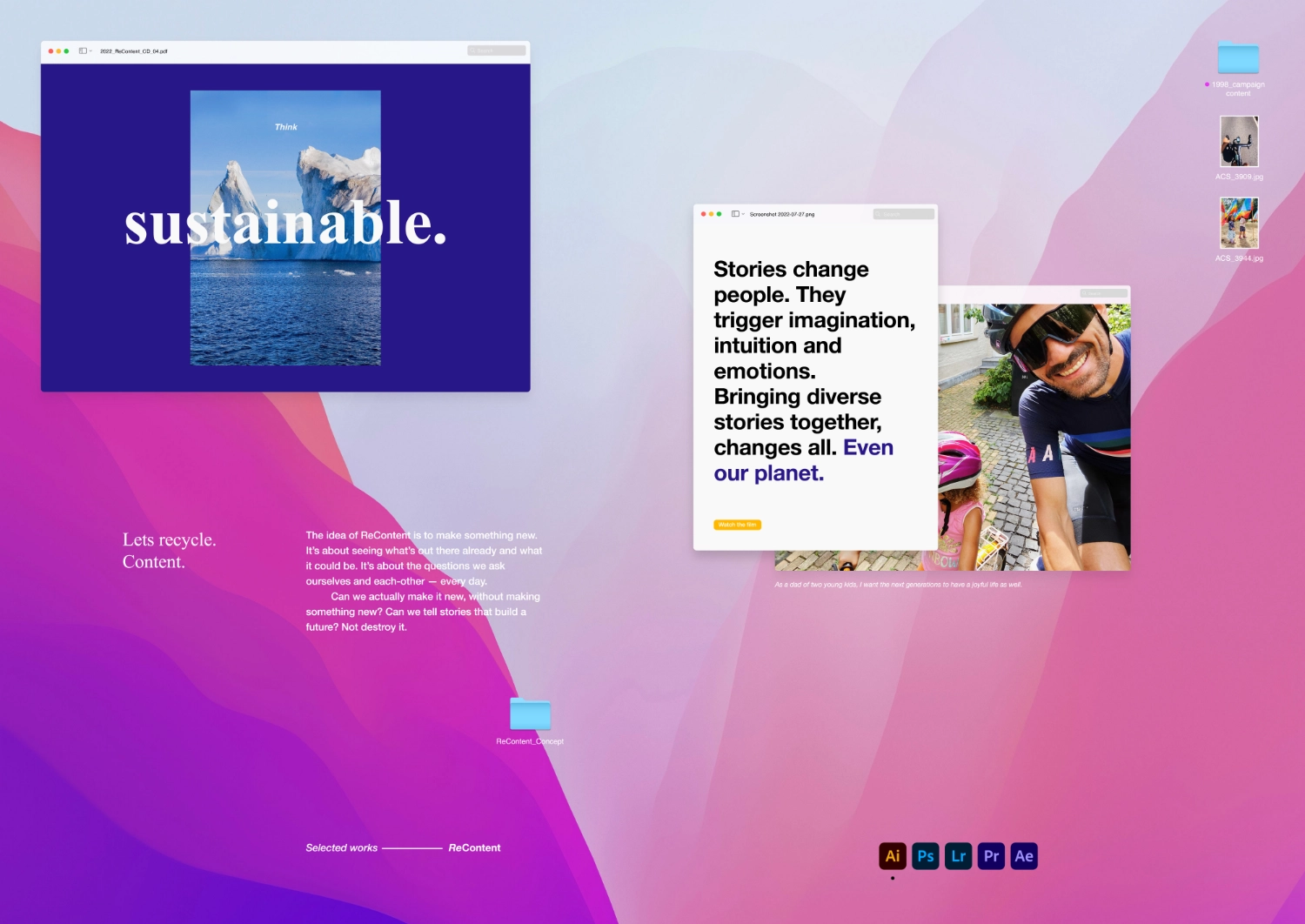
ANC began as an exploration of how creativity could contribute to a different future. Developed through a paper titled ‘Decoding Futures’, the first iteration translated that thinking into a creative practice, with its own strategy, manifesto, identity and website. A second iteration expanded the practice, revisiting its positioning, offerings and visual expression.
2025-2026
ANC
New Creativity
Role
Creative Director
The challenge
I wanted to rethink the role of creativity in my work and explore how my experience in brand strategy, storytelling and creative direction could be applied in a different context. The starting point was a personal question about the futures I had once been inspired to pursue, and what it might mean to approach them differently.
The challenge was to translate that reflection into a working practice. This meant defining how ANC would approach clients, what it could offer, and how its underlying ideas could take shape in a coherent strategic and creative framework.
Approach
ANC developed through two distinct iterations.
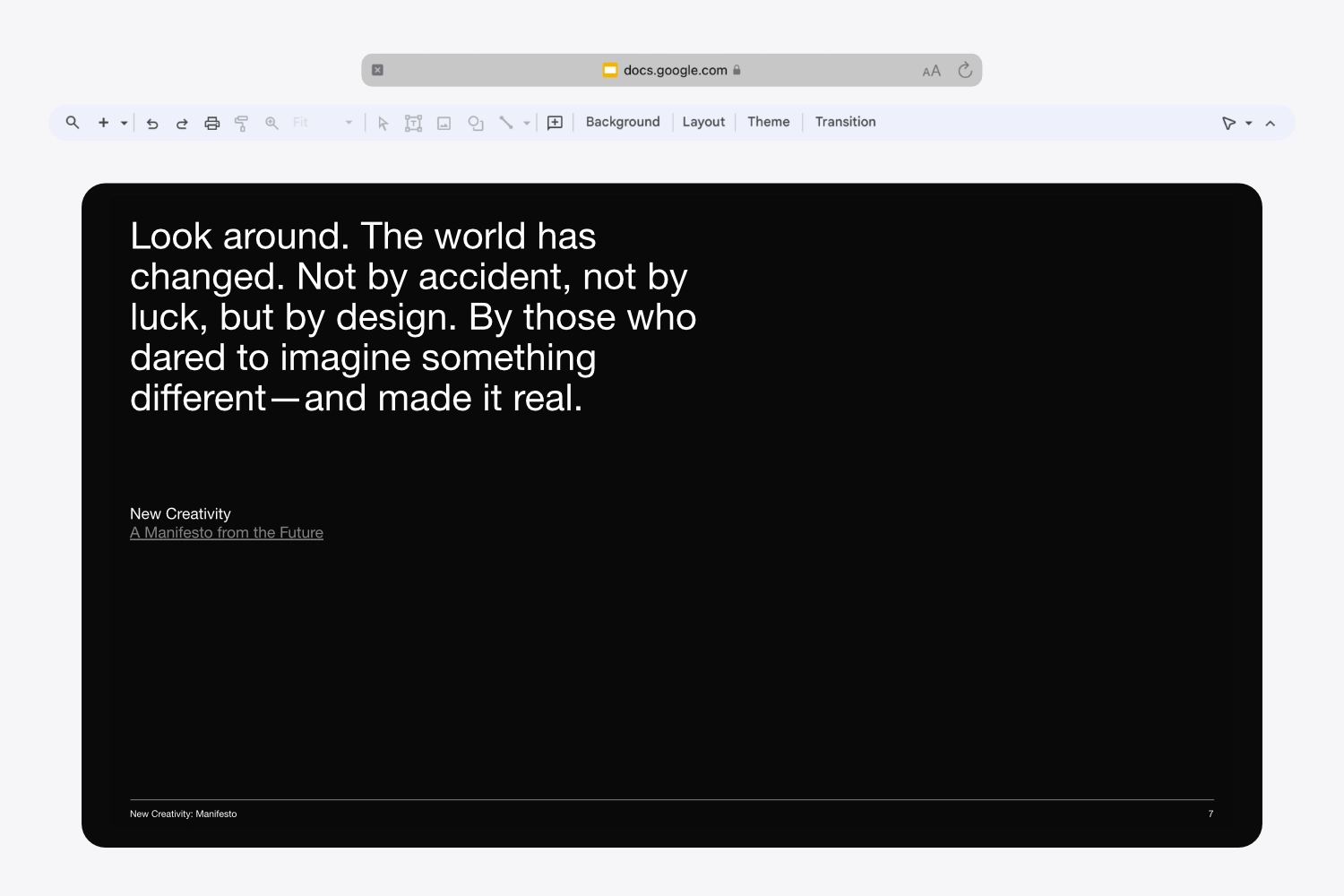
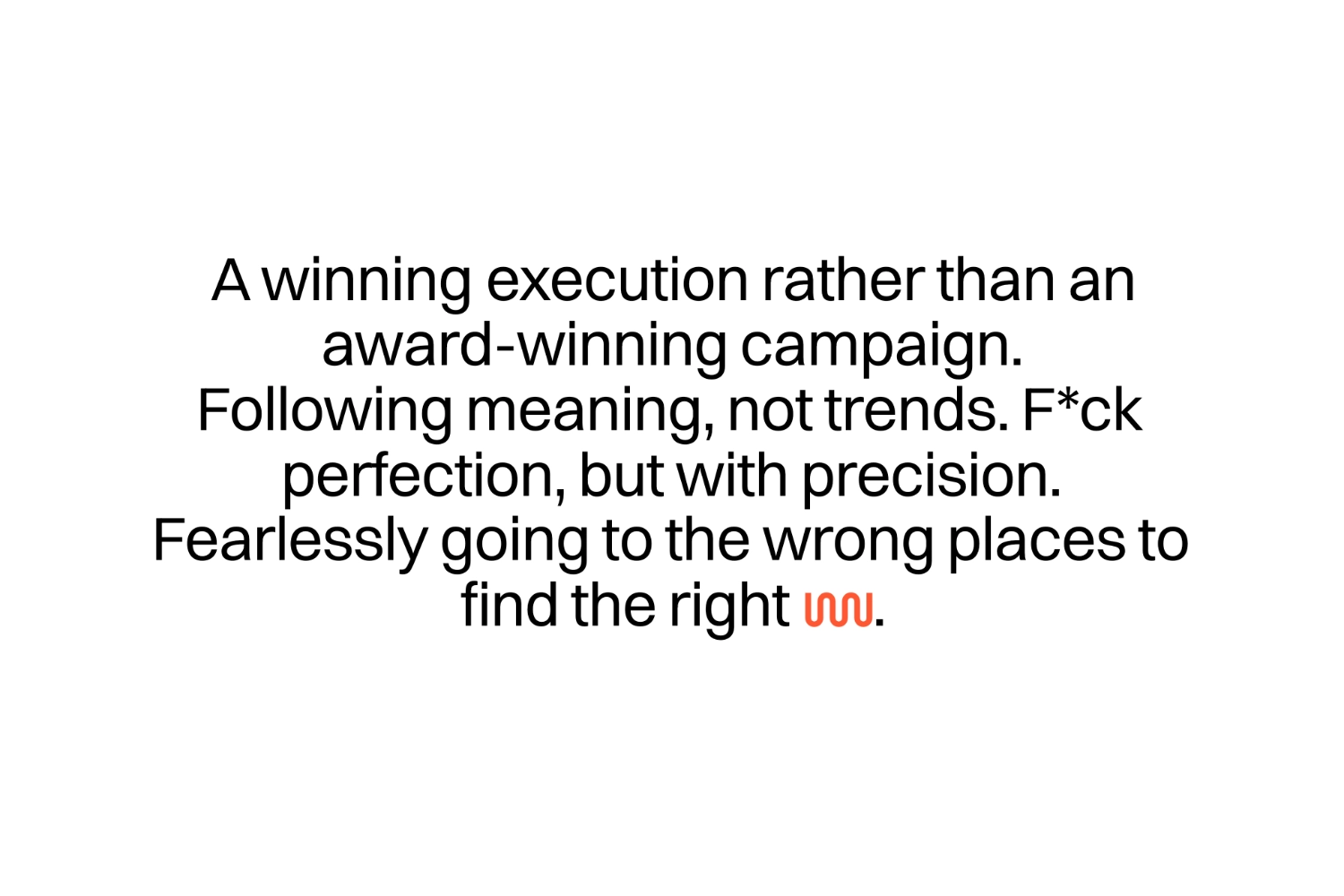
ANC1.0 translated the thinking behind Decoding Futures into the first expression of the brand. I developed its strategic framework, manifesto, identity, website and strategic deck, establishing the initial principles and structure of the practice.
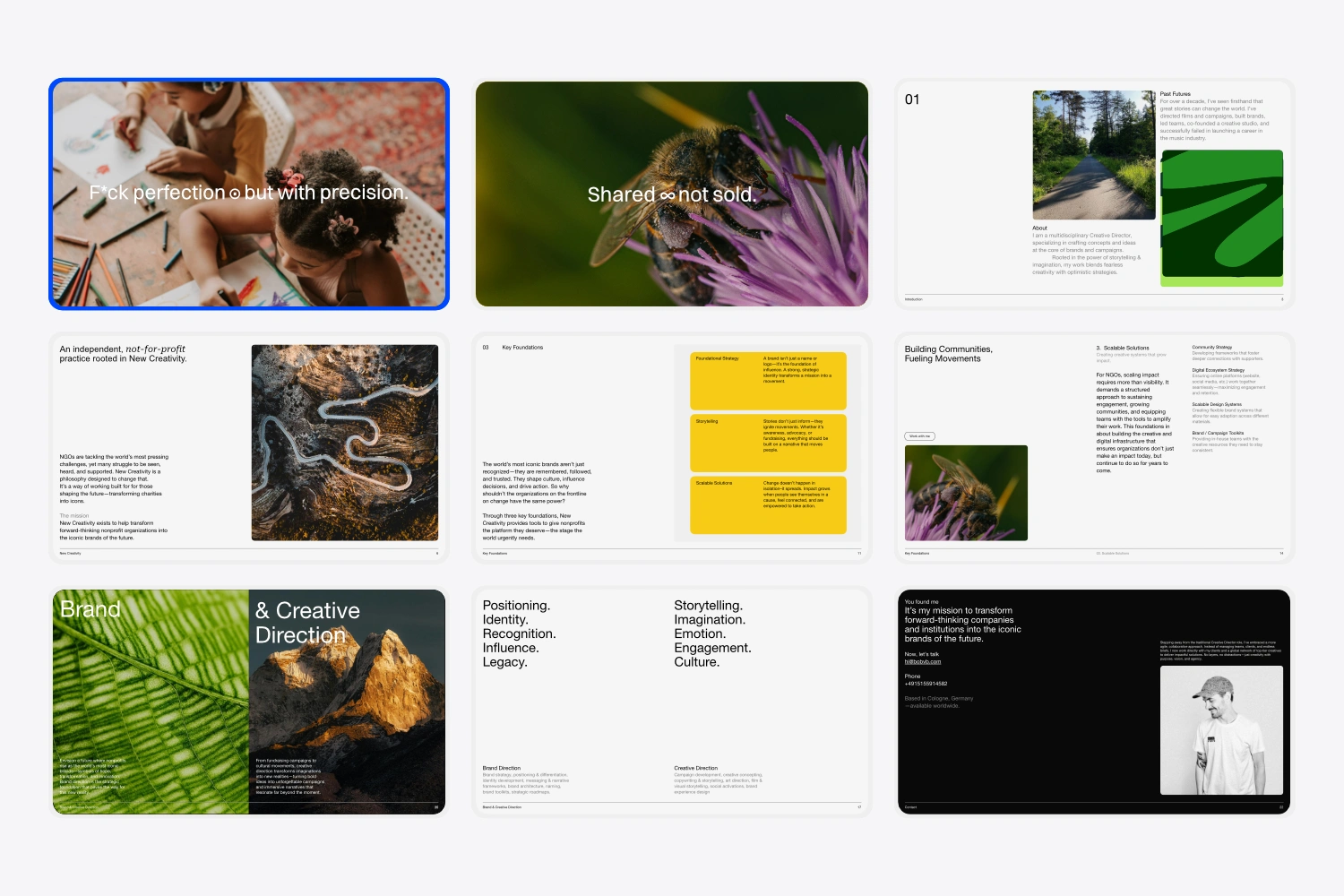
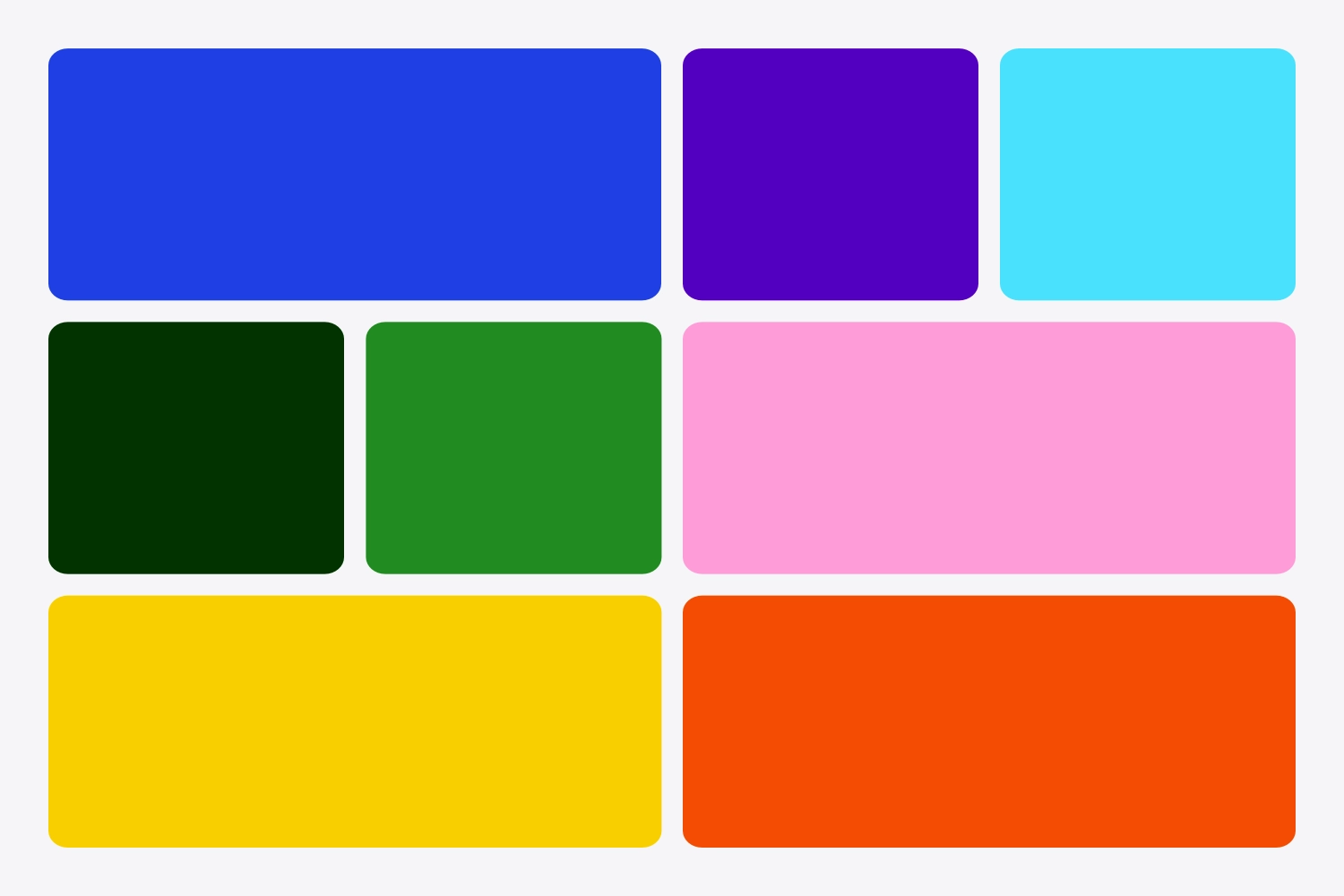
ANC2.0 built on that foundation. The practice evolved into a new iteration of New Creativity, with a revised identity, updated website and a new strategic framework that introduced different offerings. This phase revisited how the practice was positioned, how it could work with clients, and how its services could reflect its developing direction.
The evolution
Across its first two iterations, the Agency of New Creativity developed from a personal inquiry into a more structured creative practice. ANC1.0 translated the thinking behind Decoding Futures into an initial strategy, manifesto and brand identity. ANC2.0 revisited that foundation, introducing a new identity, an updated website and a revised strategic framework with different offerings.
These iterations established the groundwork for ANC3.0, which brought the accumulated thinking into a more developed expression of the practice.
Disciplines
Narrative strategy
Brand strategy & positioning
Creative direction
Messaging frameworks
Strategic communication
Copywriting (web, strategy decks, film)
Design (art and UI/UX)


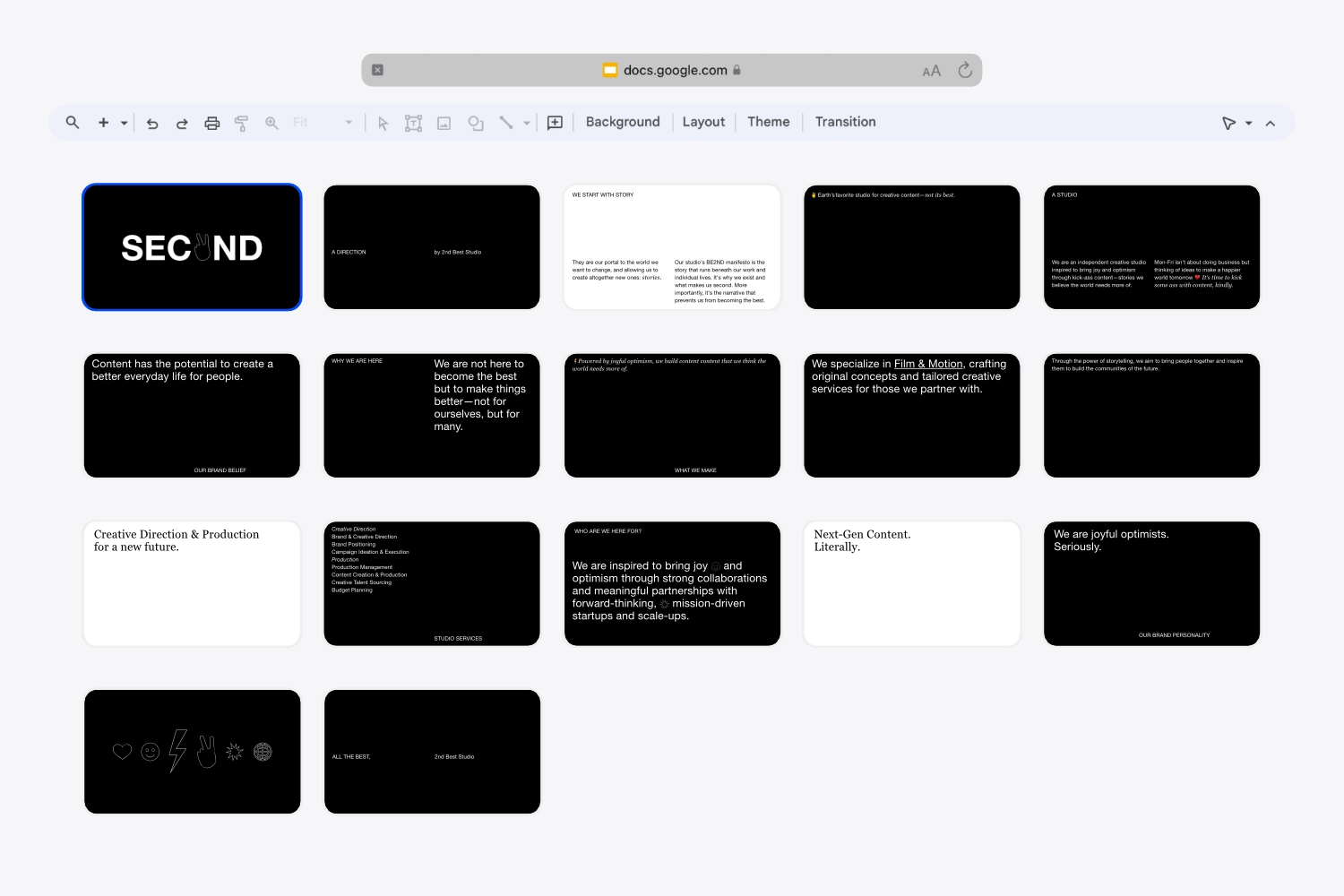
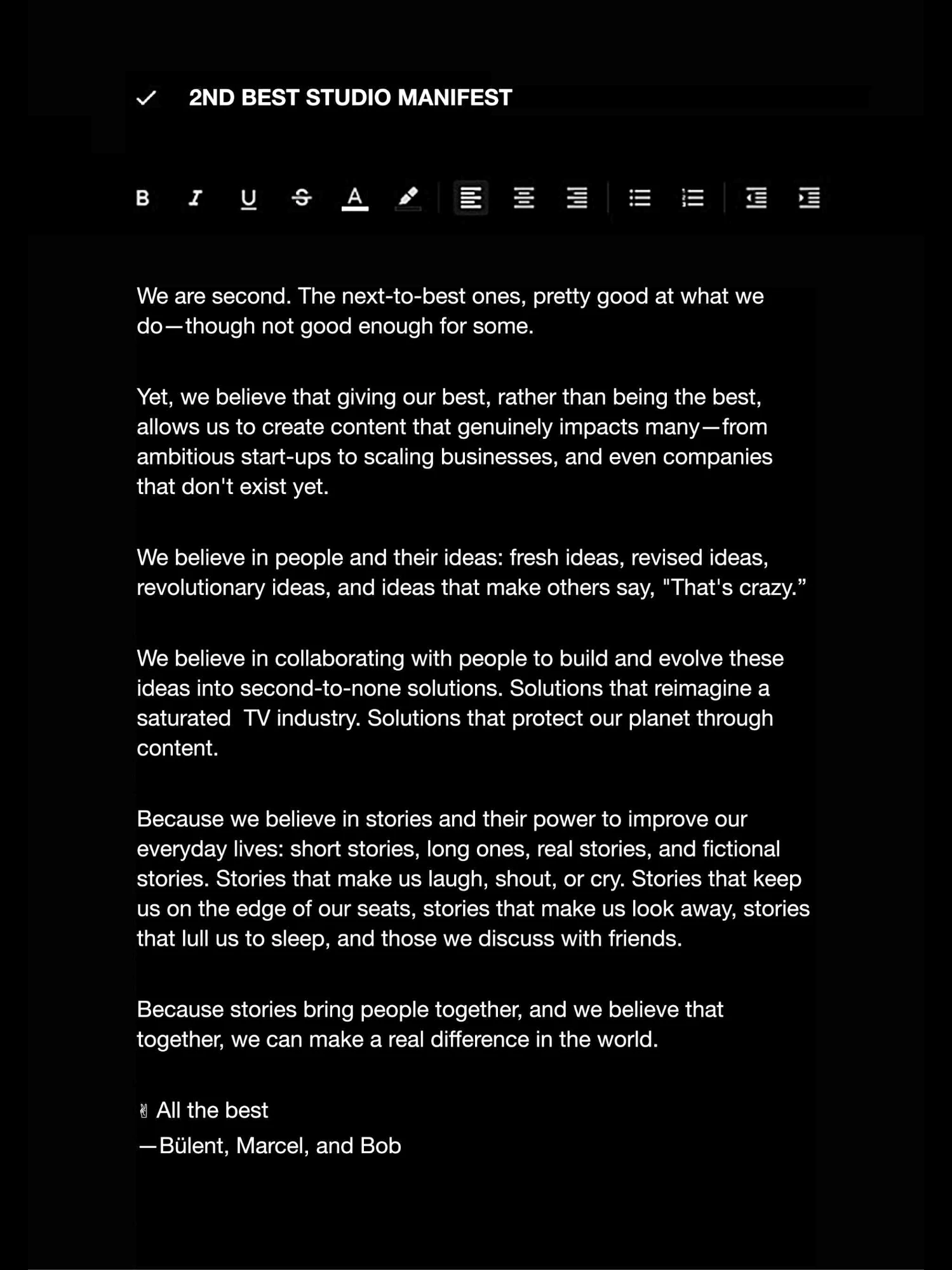
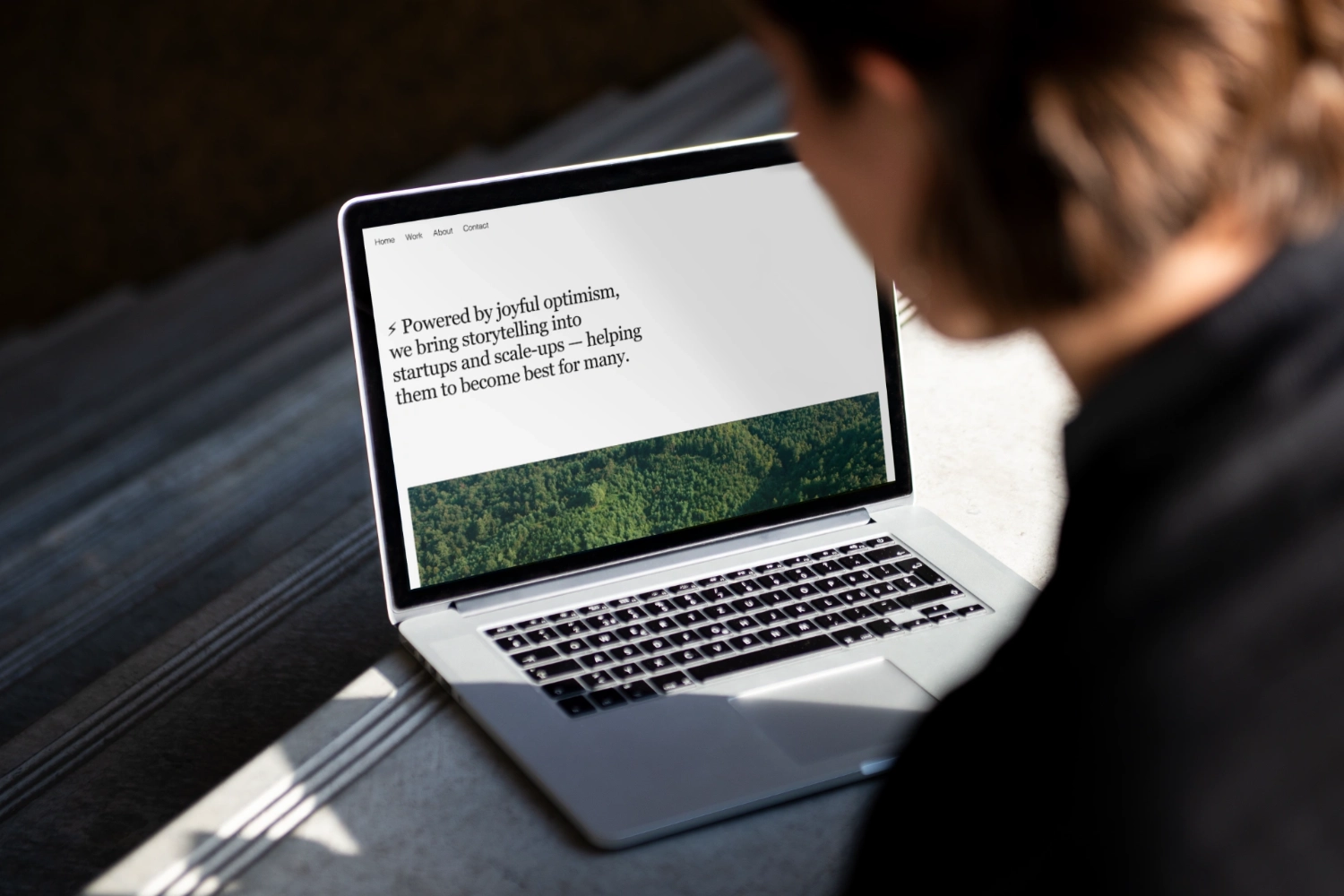
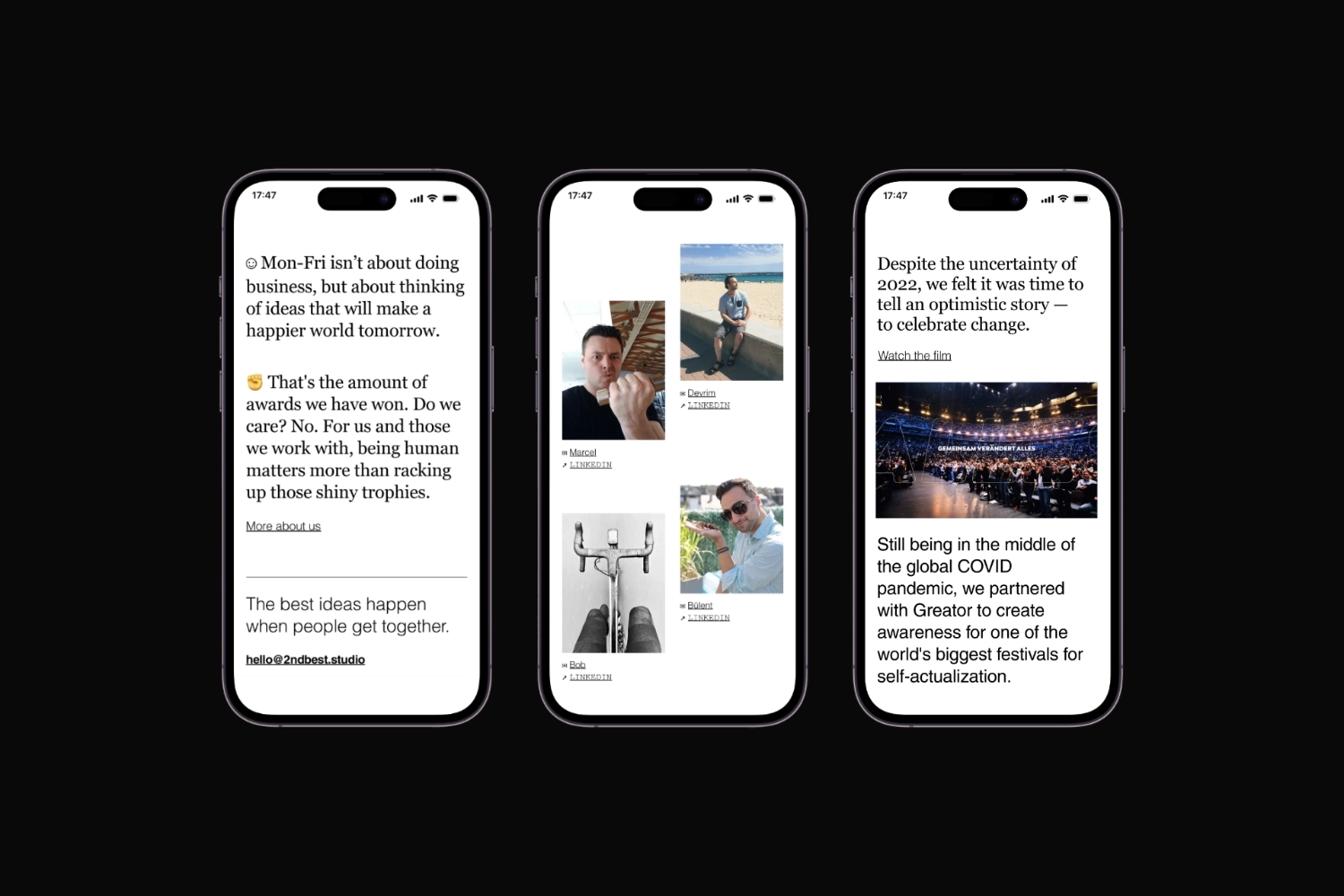
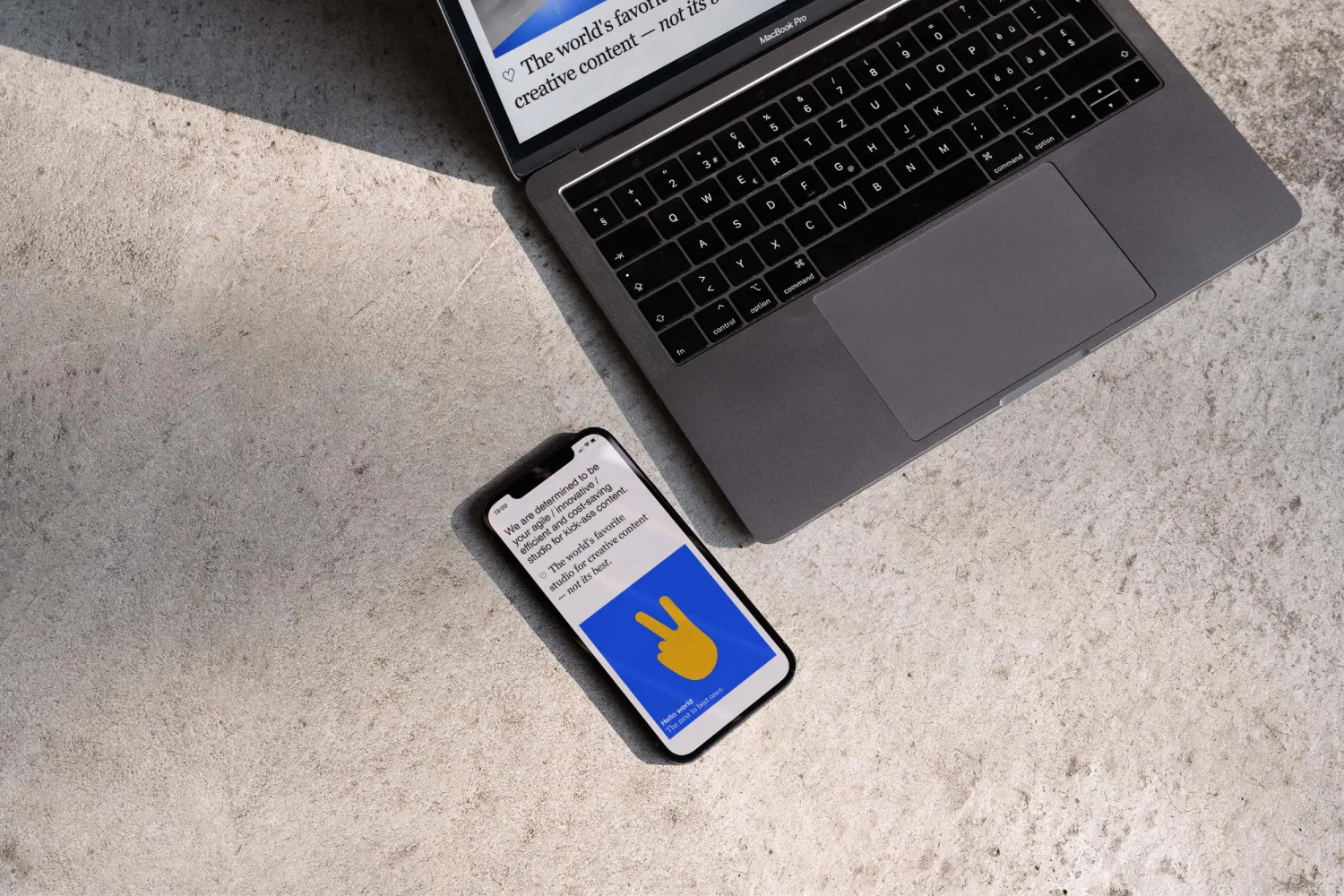
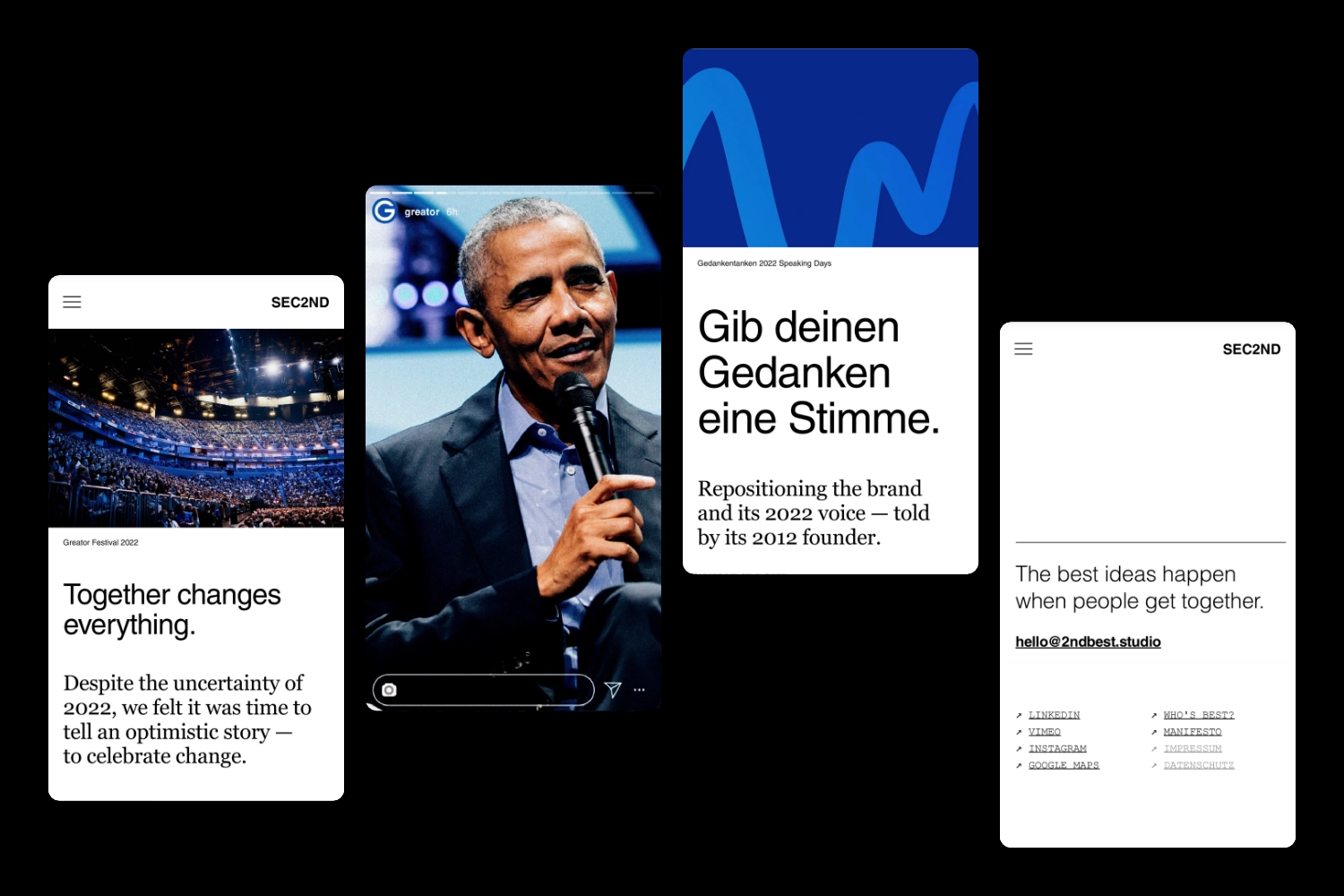
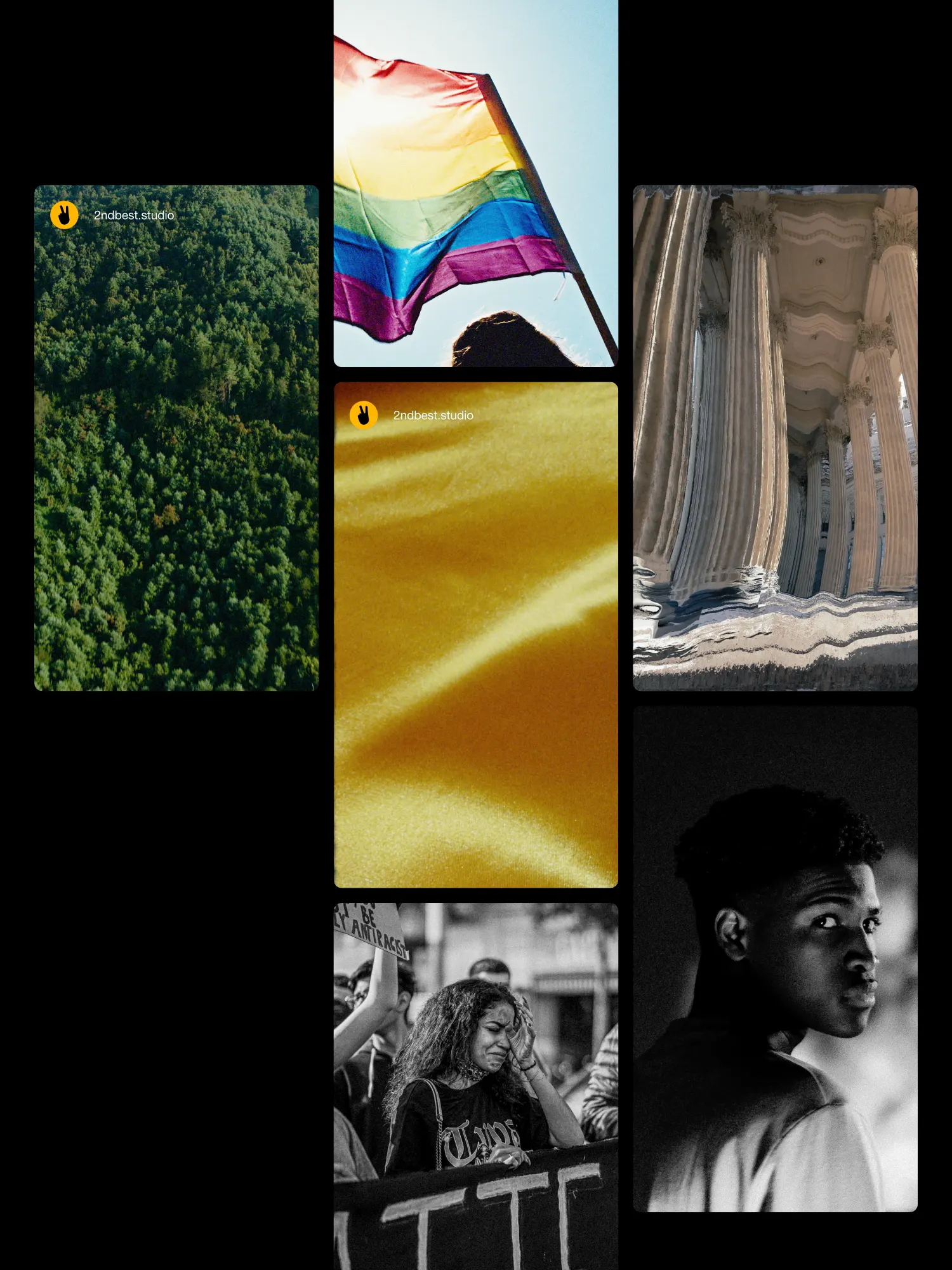
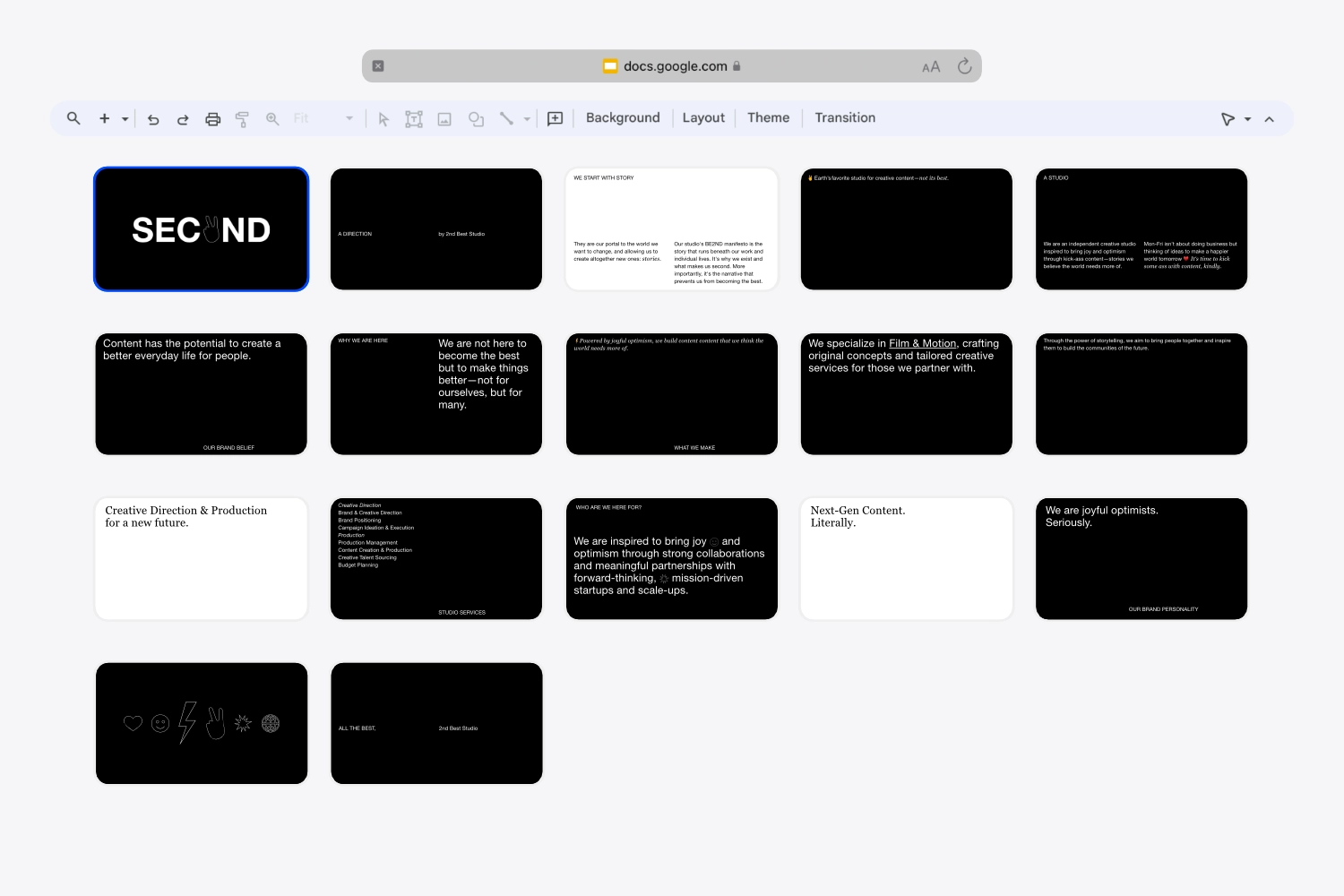
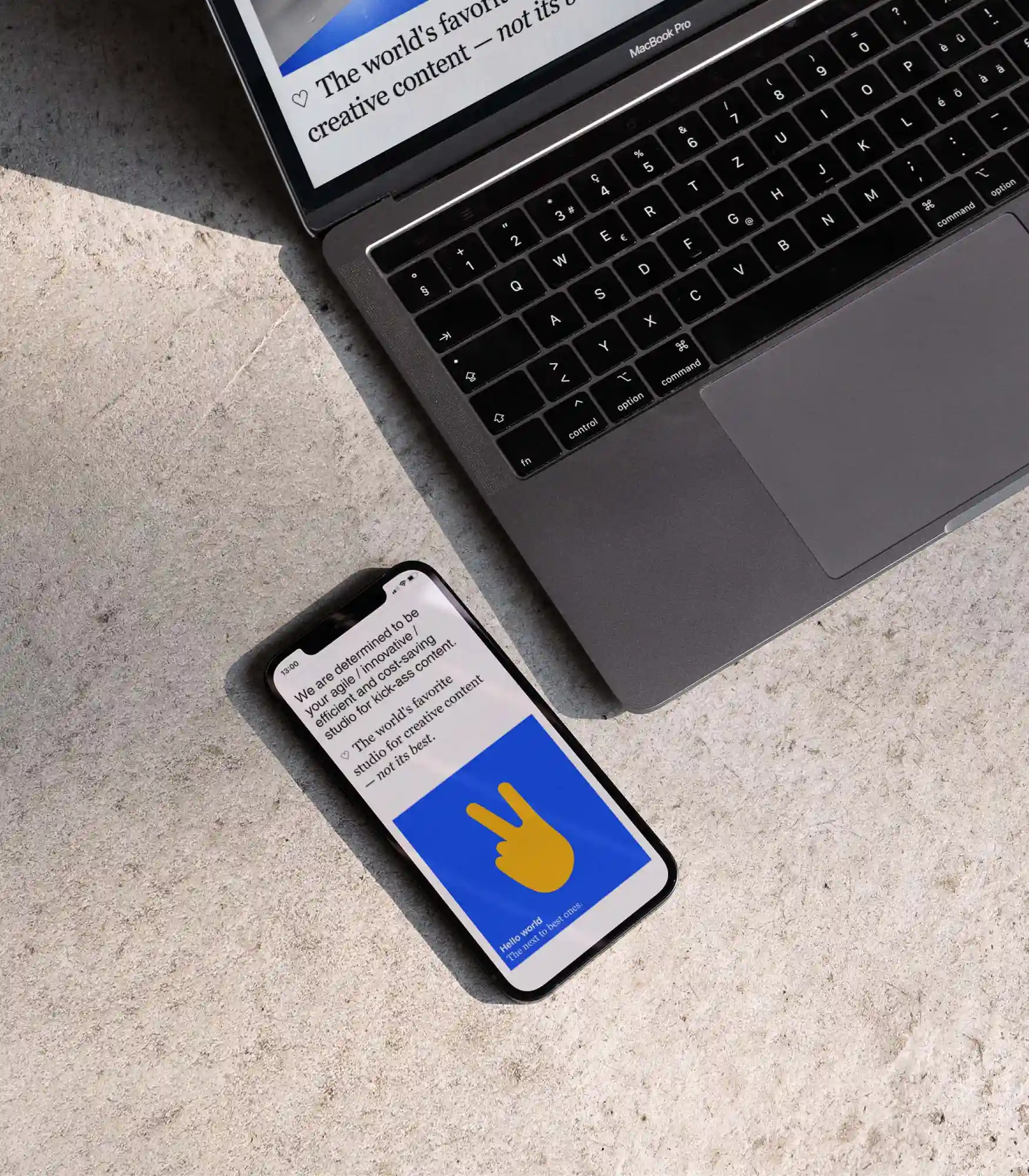
2nd Best Studio was an opportunity to rethink what a creative studio could be. Joining as Executive Creative Director, I was brought in to help define a clearer strategic and creative direction for the studio. The starting point was not simply a new identity. It was a question of how the studio could create a stronger relationship between its purpose, positioning, creative expression and day-to-day practice.
2021-2022
SEC2ND
2nd Best Studio
Role
Executive Creative Director
The challenge
2nd Best had an ambition to work differently within the creative industry, with a focus on purpose-driven organisations and ideas that could contribute to meaningful change. The challenge was to turn that ambition into something more coherent and tangible.
I worked on defining the studio’s positioning, narrative and strategic direction, while also looking at how those principles could influence the creative work itself. This meant moving between the larger question of what the studio stood for and the practical systems needed to make that position visible and usable.
Approach
I developed a unified strategic vision across positioning, narrative, messaging and visual expression. This included defining the studio’s brand direction, developing its identity and expression, and creating strategic tools and principles that could support consistent work across different contexts.
Creative direction became part of the studio’s infrastructure. Rather than treating brand, communication and individual projects as separate outputs, I worked to establish a shared set of principles that could guide how ideas were developed, presented and brought into the world.
This extended into audience journeys, visual and verbal systems, new formats and experimental pilots. I also worked closely with the wider team, mentoring creatives and helping establish ways of working that could bring different disciplines and perspectives together around a shared direction.
The work
The result was a more coherent strategic and creative framework for the studio, connecting its mission with its positioning, identity and output. The work moved between strategy and expression: defining what 2nd Best stood for, shaping how it communicated that position, and translating it into a system that could support both the studio itself and the work created for its clients.
Disciplines
Narrative strategy
Brand strategy & positioning
Creative direction
Messaging frameworks
Strategic communication
Copywriting (web, strategy decks, film)
Design (art and UI/UX)
For me, the project became an exploration of creative direction as infrastructure: creating the conditions in which ideas can become stronger, different disciplines can move in the same direction, and a studio’s purpose can be expressed through the work rather than existing separately from it.
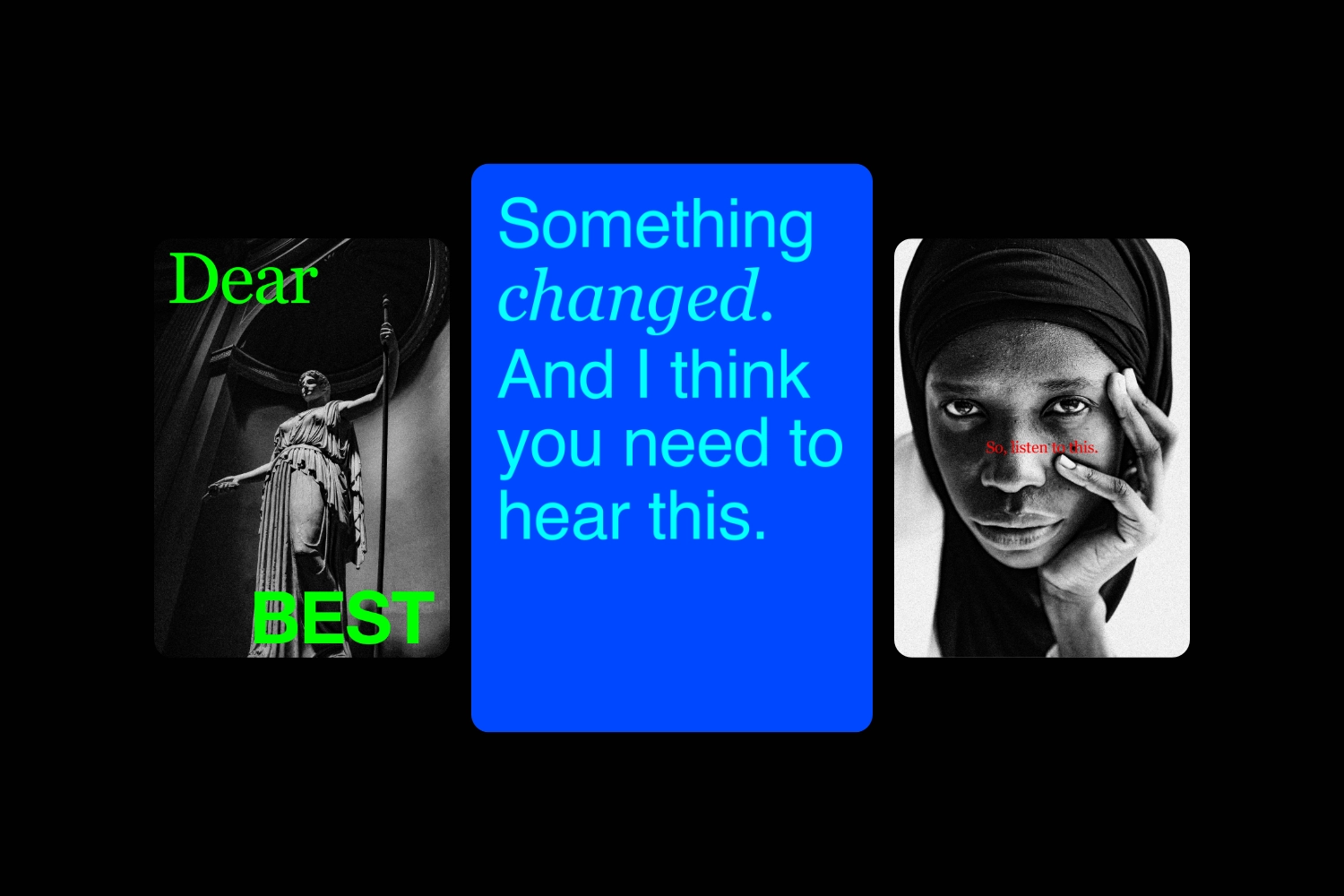
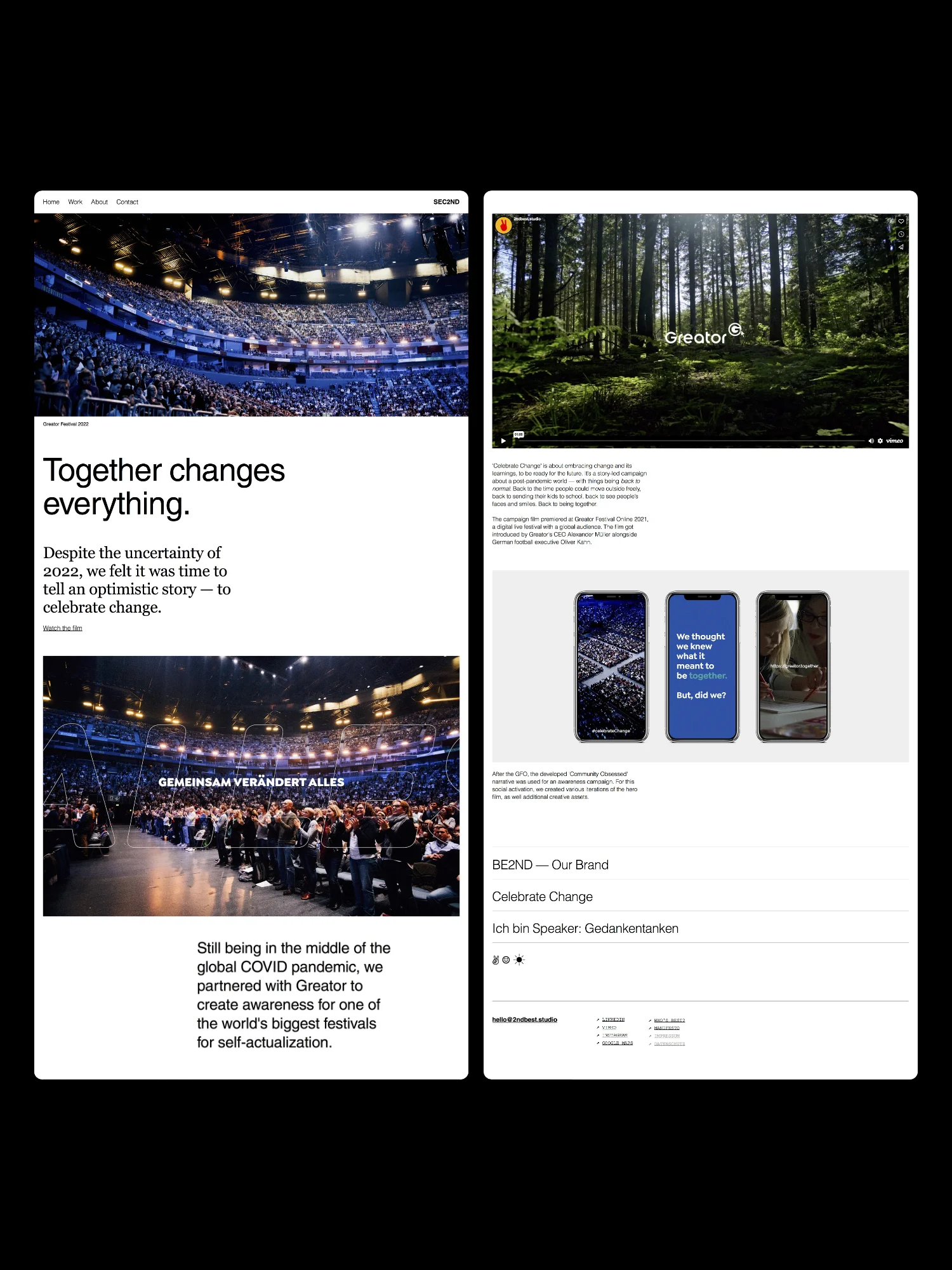
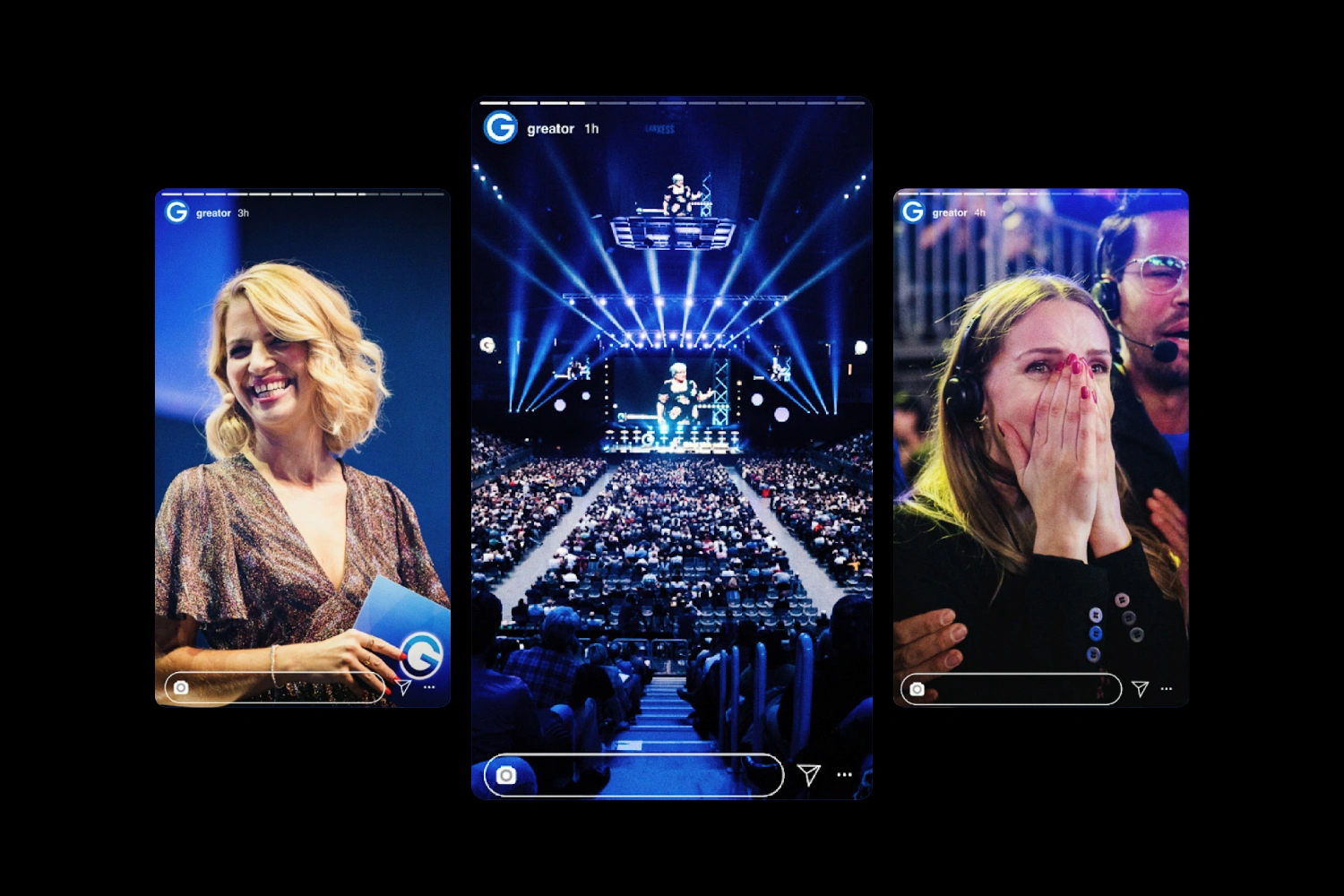
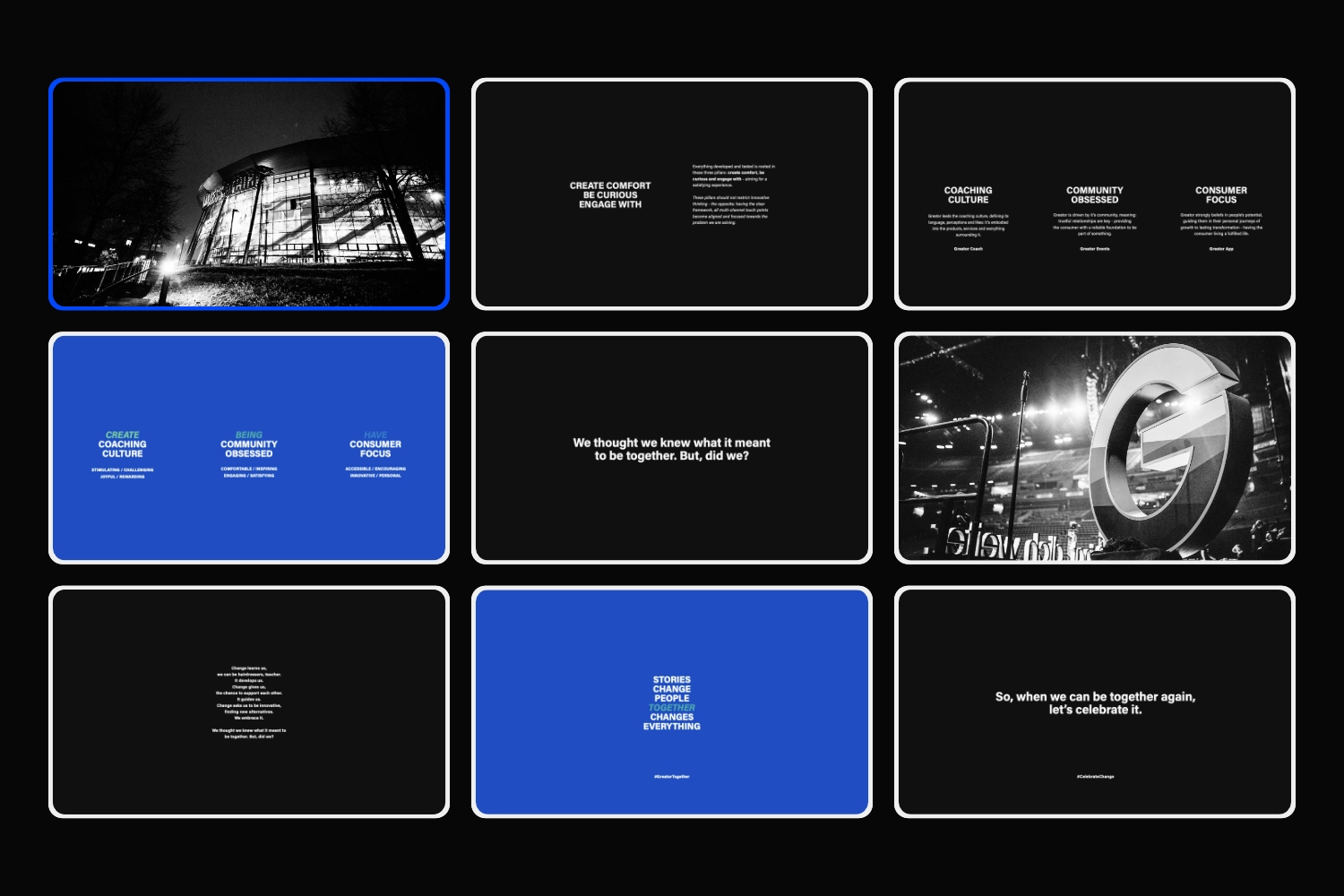
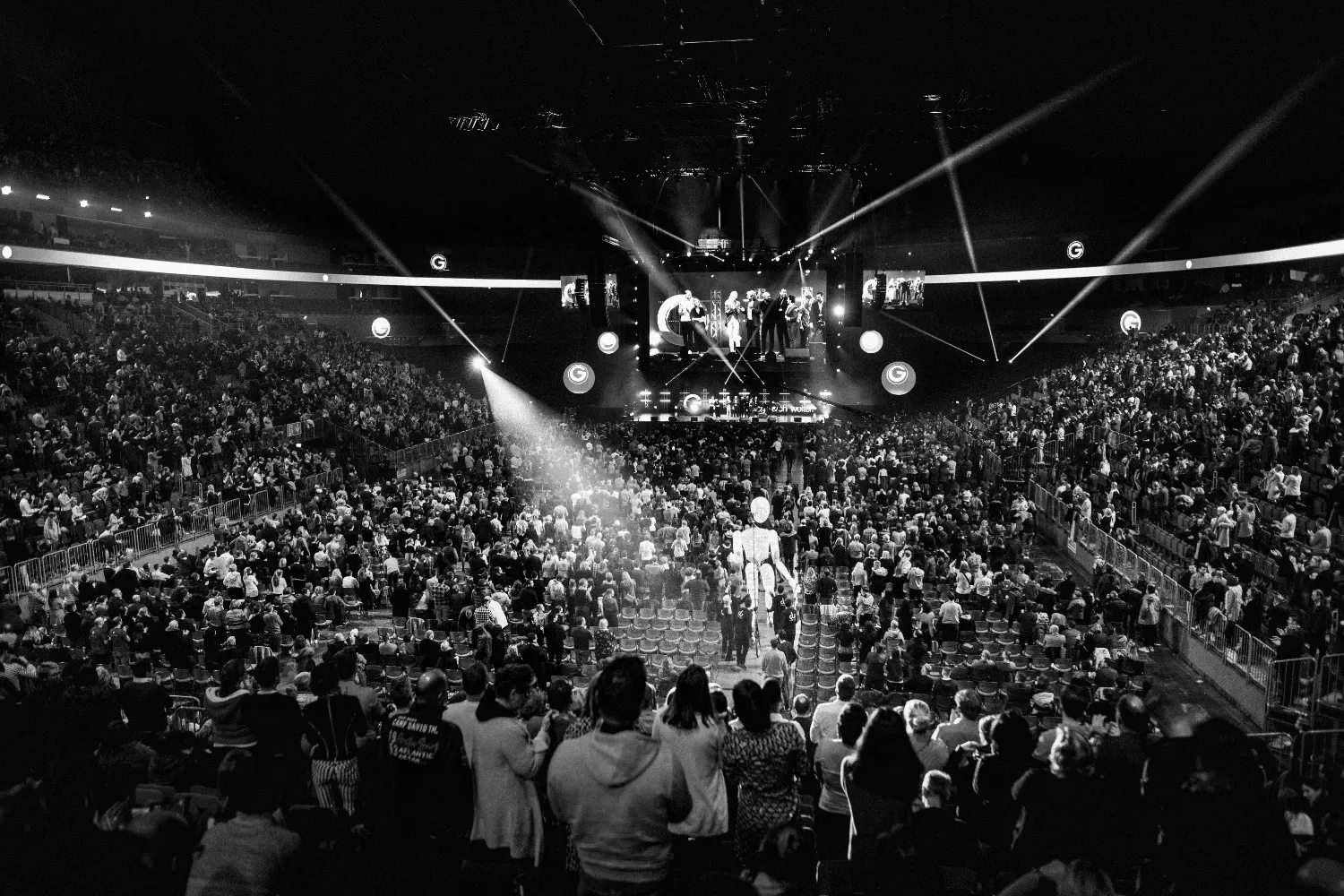
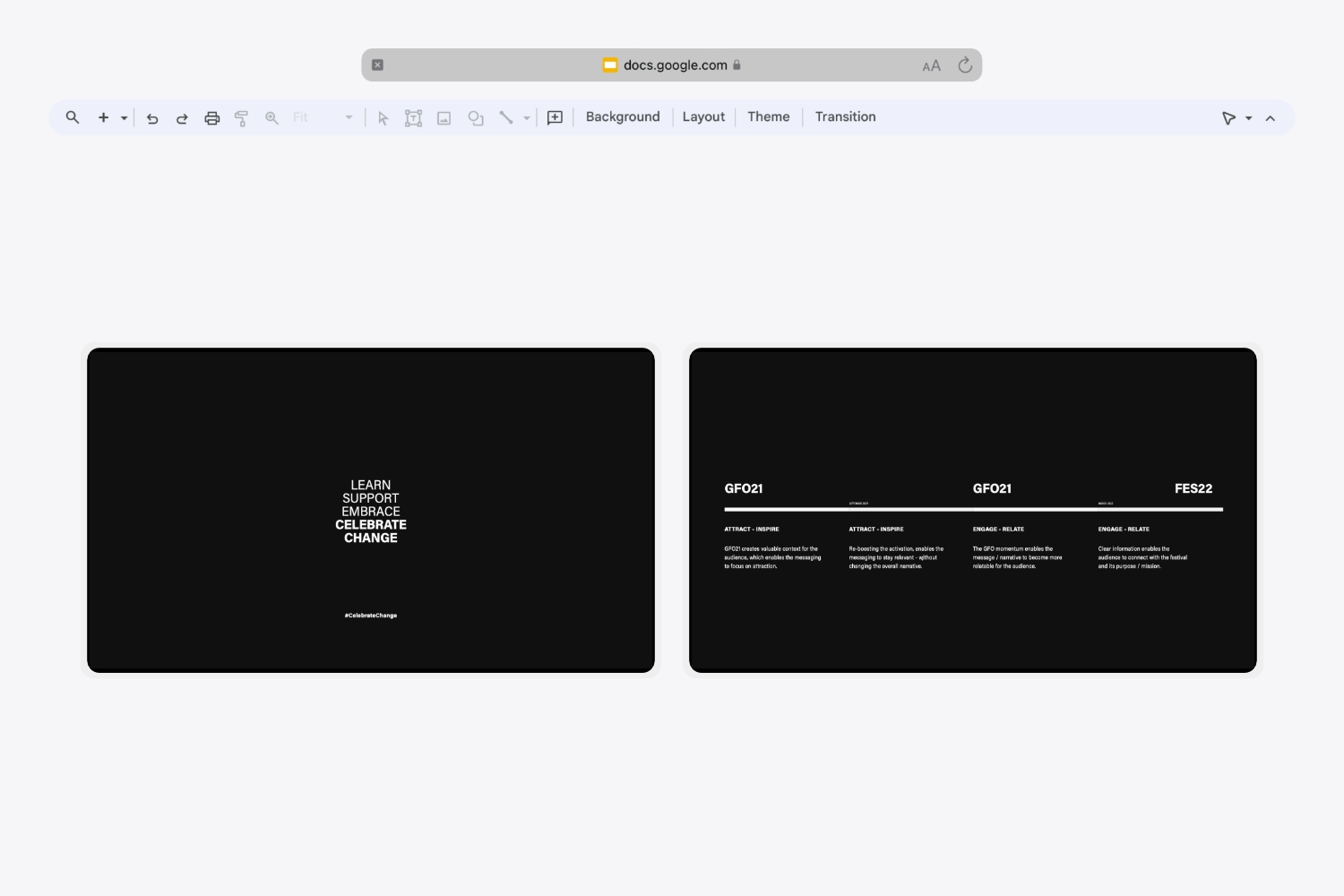
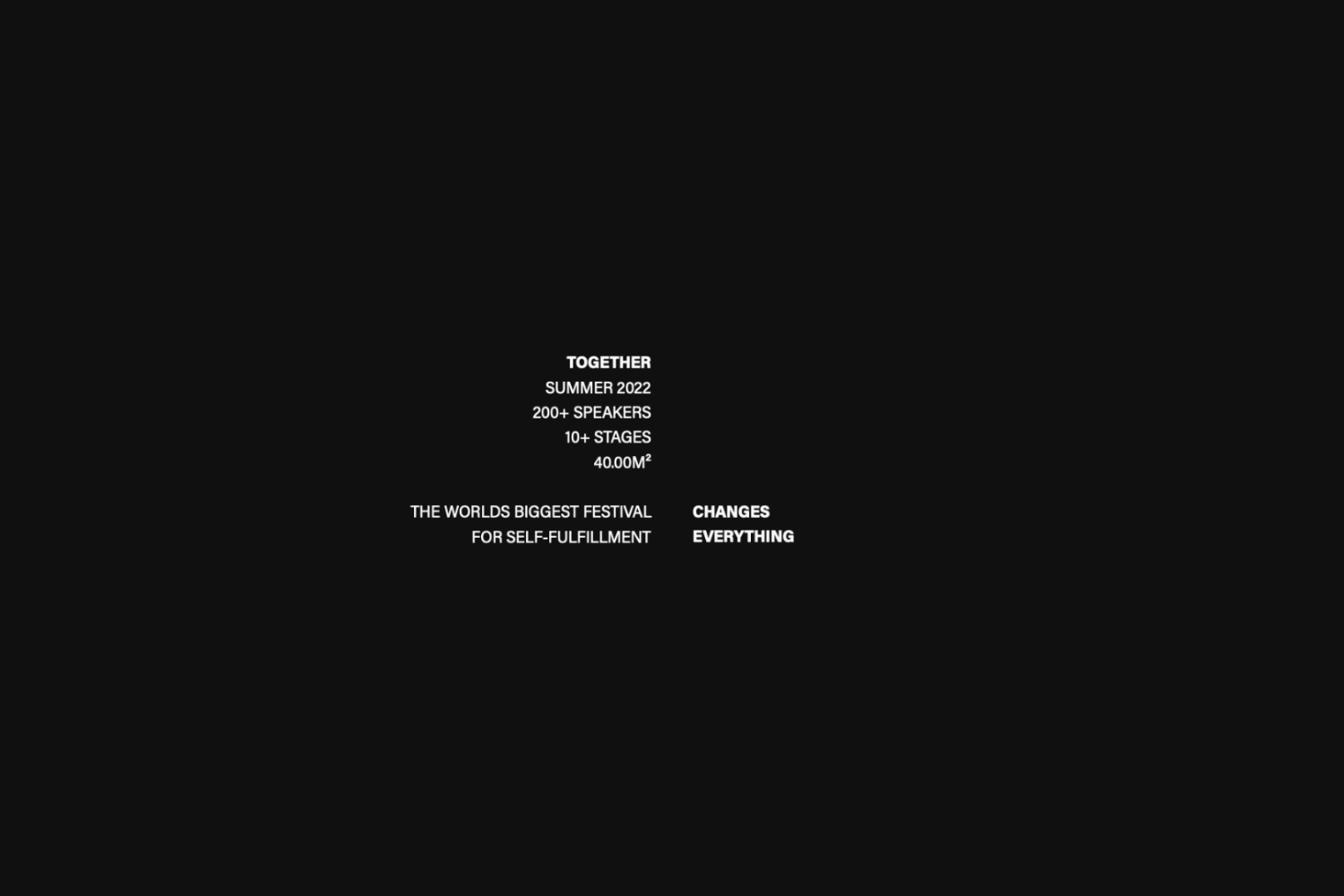
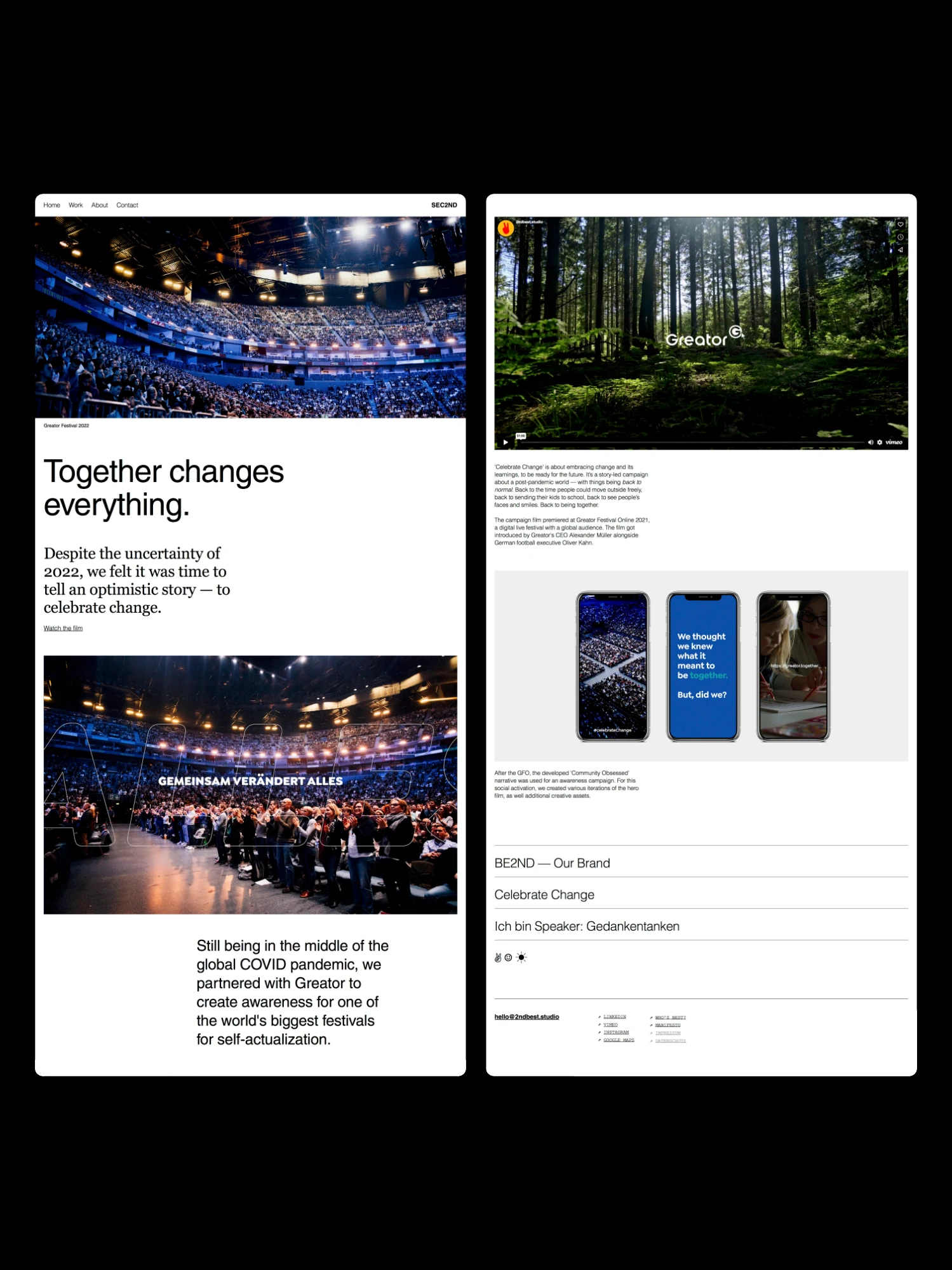
Developed during the COVID-19 pandemic, the Greator Festival 2022 campaign looked forward to a moment that had taken on new meaning: being together again. Built around the theme “Celebrate Change”, the campaign connected the festival’s promise of personal growth with a wider sense of anticipation for shared experiences, live encounters and collective energy.
2020
Greator
Celebrate Change (FES22)
Role
Creative Director
The challenge
After a prolonged period of distance and disruption, the prospect of gathering in person carried a different weight. The campaign needed to acknowledge this shift without becoming a message about the pandemic itself. Instead, it needed to look forward, capturing the renewed significance of shared experiences and giving people a reason to look ahead to the festival.
The challenge was to translate this sentiment into a compelling digital-first campaign, creating a narrative that could build anticipation for the festival while connecting emotionally with an audience preparing to come together again.
Approach
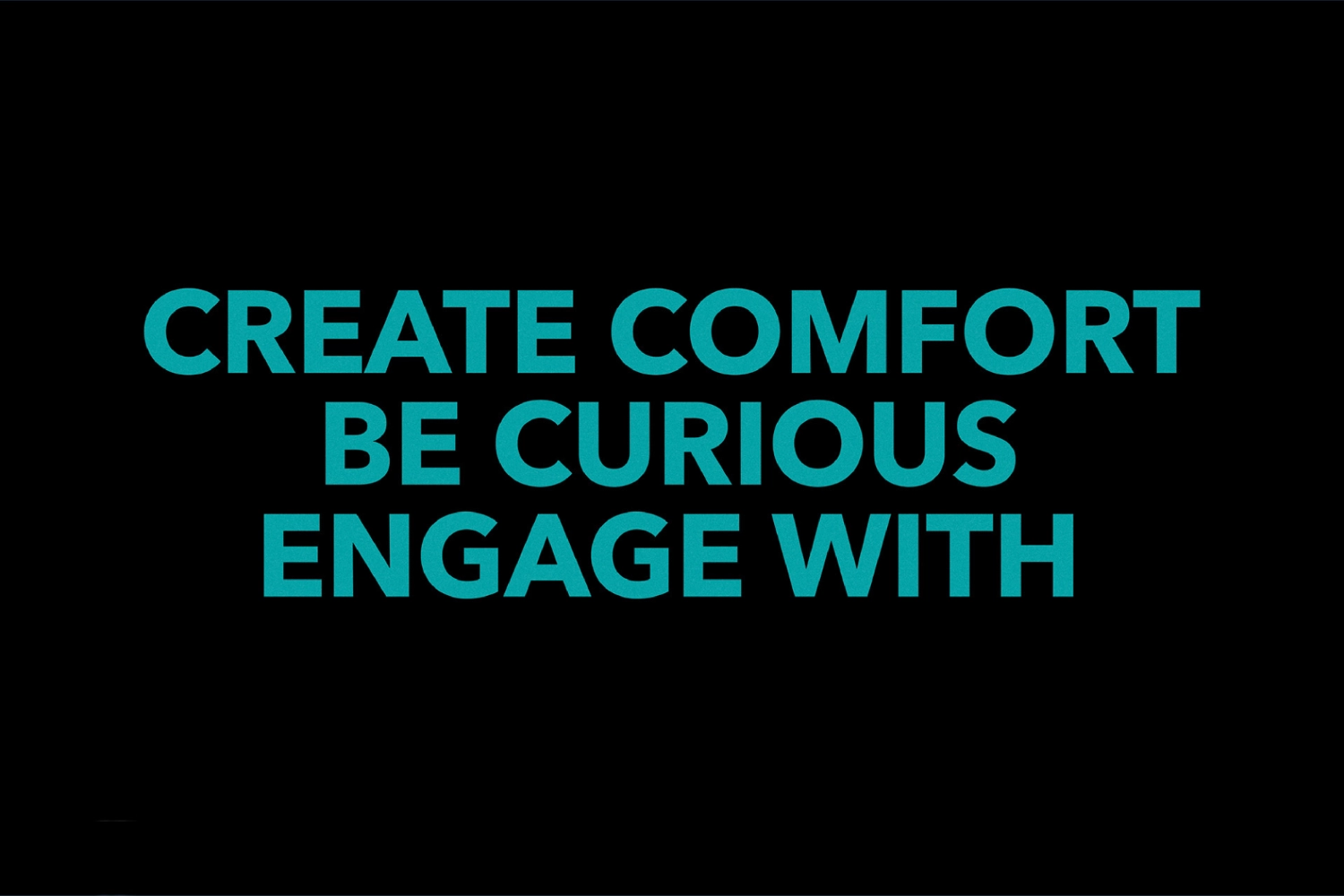
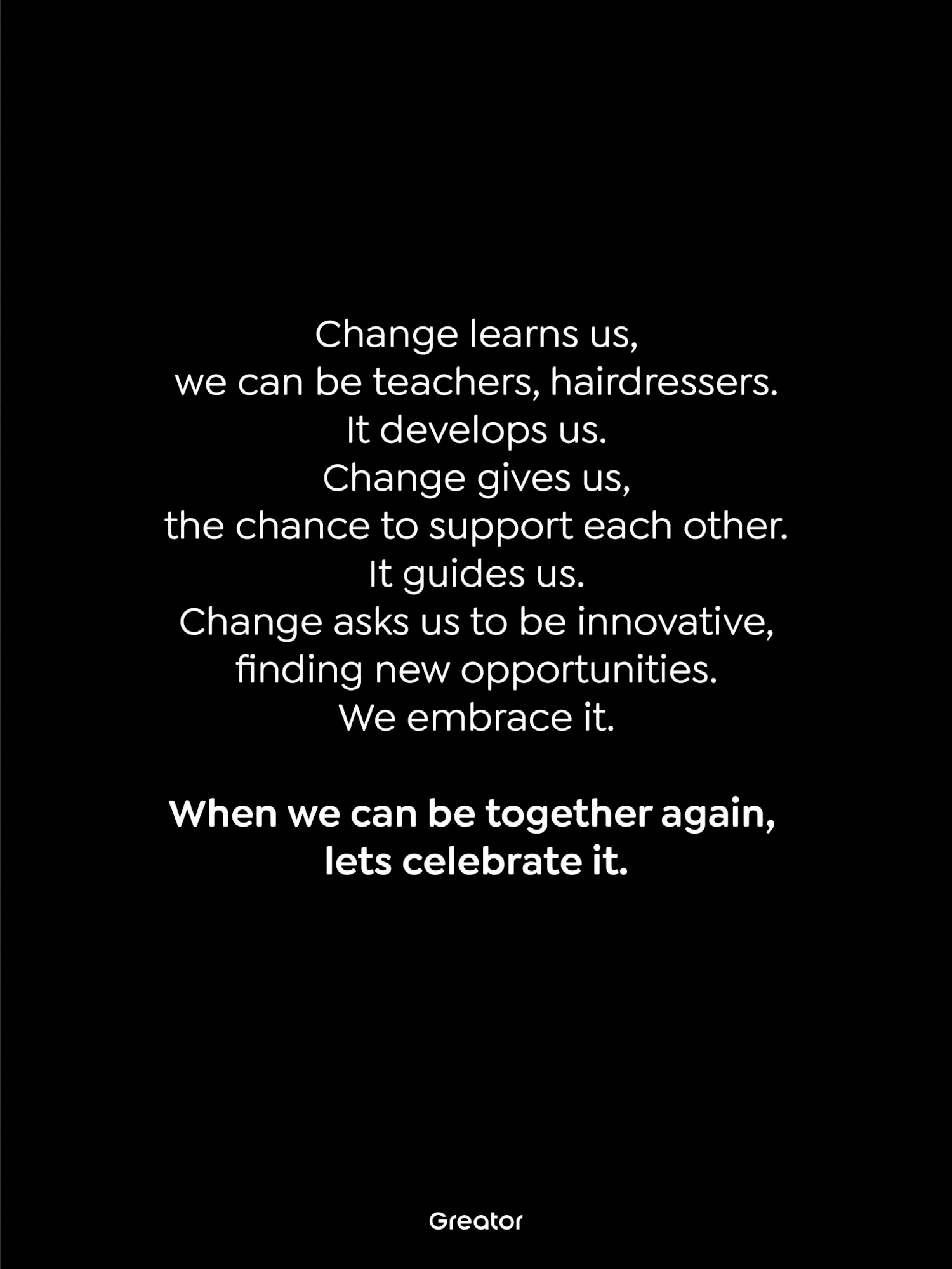
This thinking shaped the central film narrative: “We thought we knew what it meant to be together. But, did we? So, if we can be together again, let’s celebrate.” The voice-over reframed the festival as an opportunity to appreciate something that had once felt ordinary, turning the campaign theme into a timely and human invitation.
I developed the campaign concept and narrative around “Celebrate Change”, translating the idea into a digital-first creative direction. The hero film carried the emotional proposition, using the voice-over to establish a connection between the experience of the pandemic and the anticipation of being together again.
The campaign extended across shorter video variations, social assets, banners and carousels for Instagram, YouTube and Facebook, supported by landing pages, email and newsletters. Each format played a role in carrying the central idea from initial awareness through to consideration and conversion.
I also directed external agency work on paid social storytelling and copy, collaborating with copywriters on email, newsletter and landing-page content. Across multiple iterations and campaign phases, I worked to preserve the emotional core of the narrative while adapting the messaging to different audiences, formats and objectives.
The work
The campaign launched during Greator Festival Online, introduced by Oliver Kahn, connecting a digital festival experience with a message that looked ahead to being together again. The central idea gave the campaign a shared emotional foundation, linking the festival’s theme to the circumstances in which it was developed and the experiences audiences were looking forward to.
Across film, social, paid media and owned channels, the work brought narrative development, copywriting and creative direction together within one campaign system. It showed how a timely human insight could shape an integrated campaign, giving different formats a consistent story while allowing the message to evolve across the audience journey.
Disciplines
Campaign strategy
Narrative development
Creative concept
Copywriting (web, strategy decks, film)
Film & motion direction
Social media campaigns
Paid media storytelling
Audience journeys
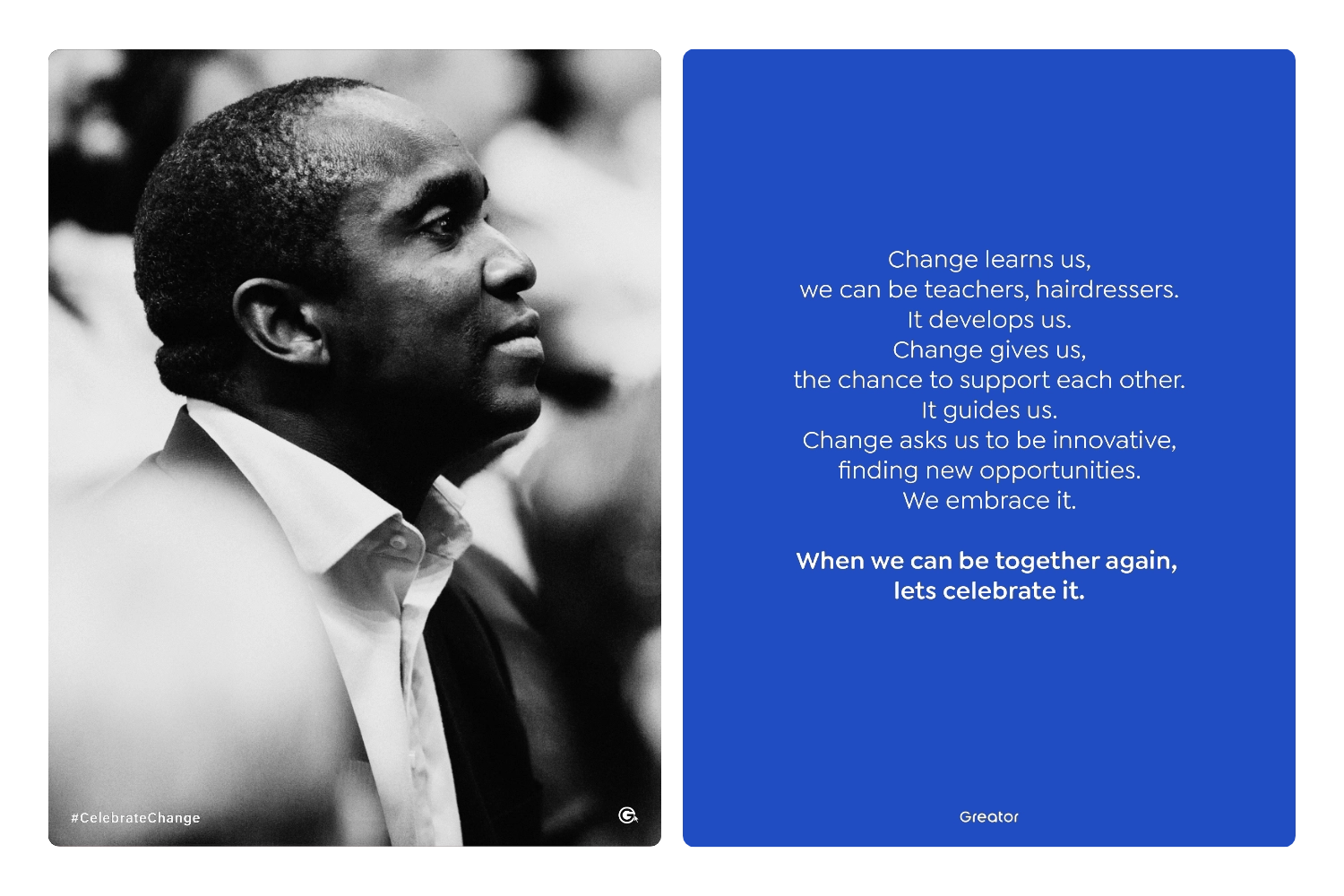
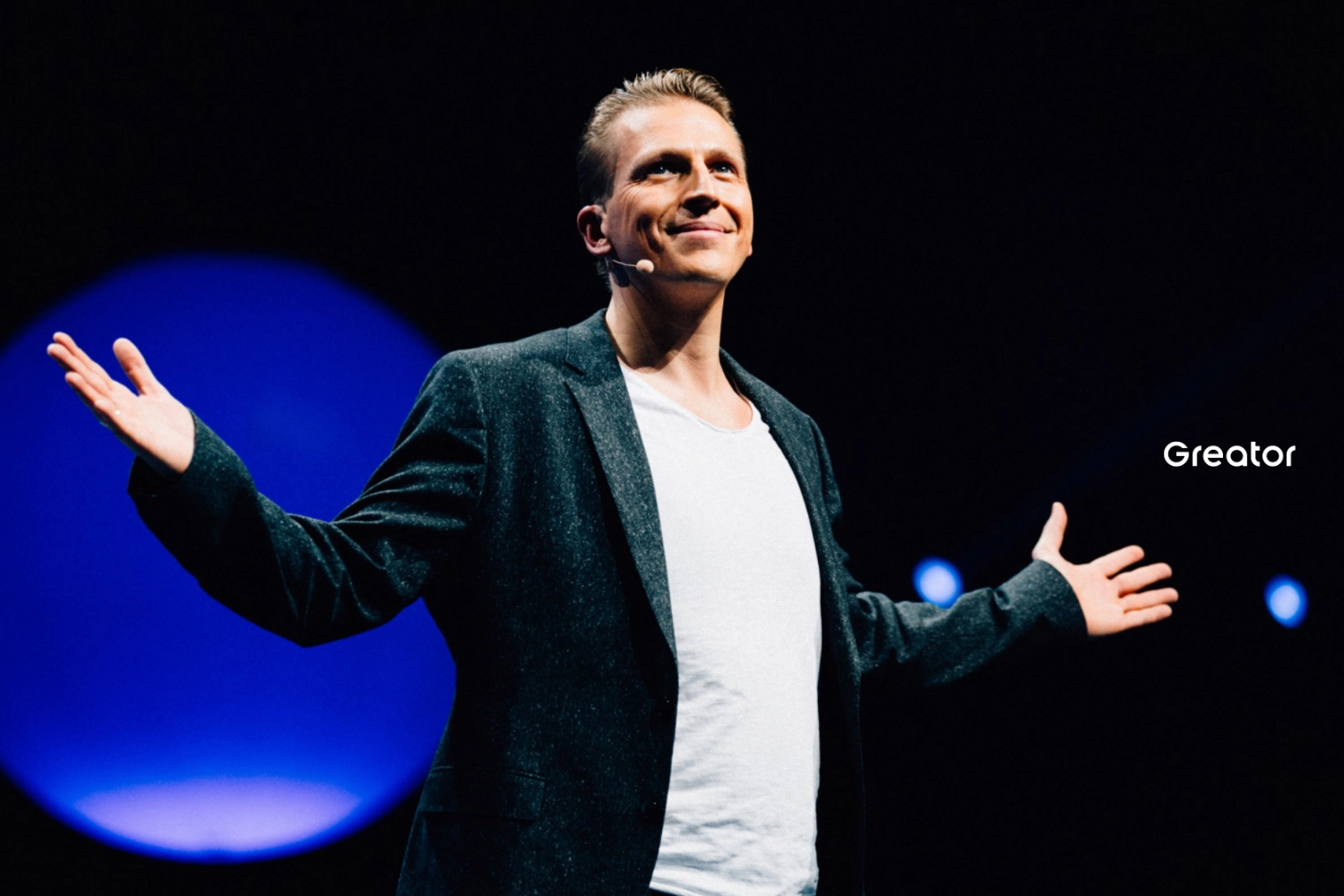
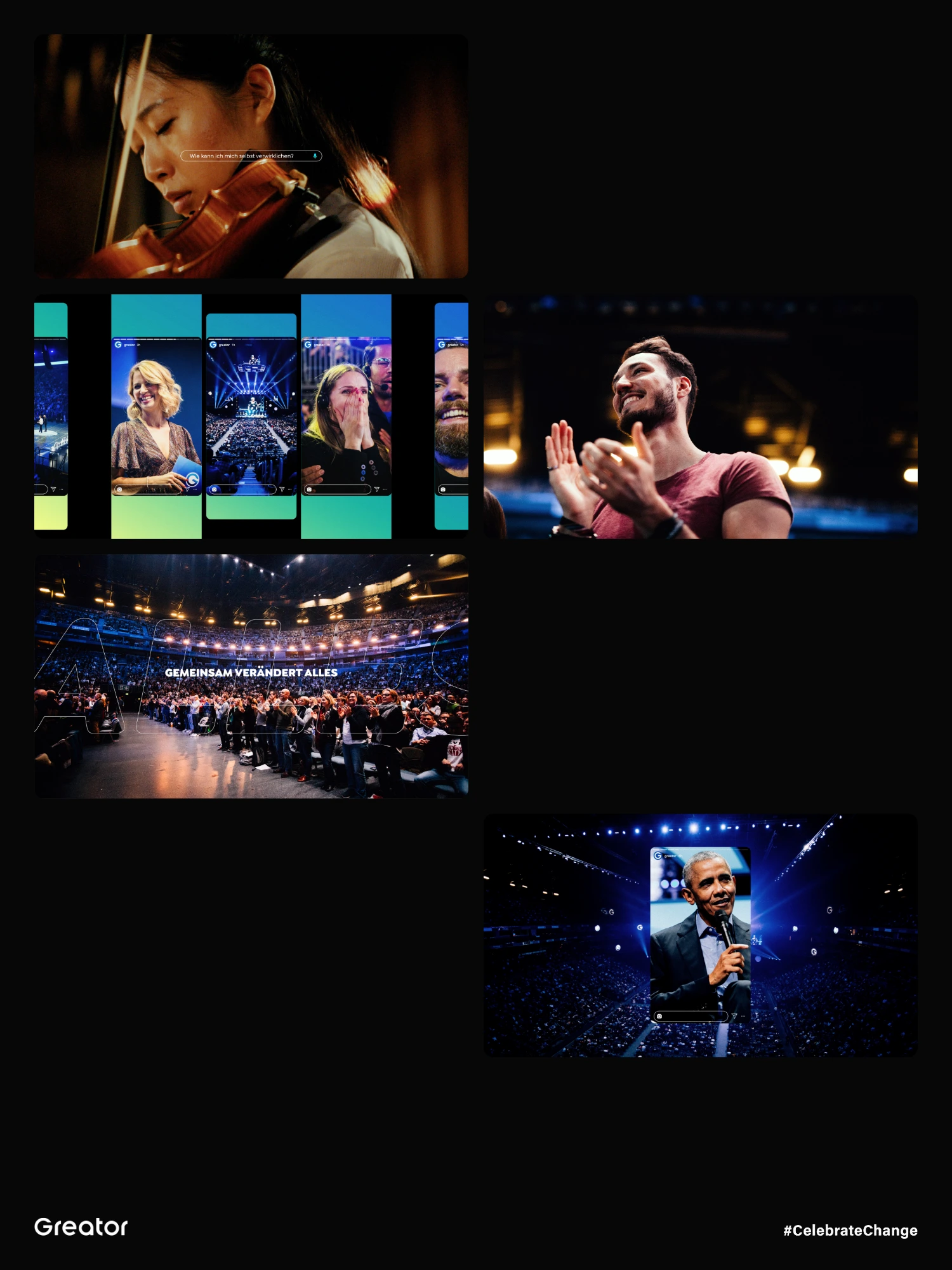
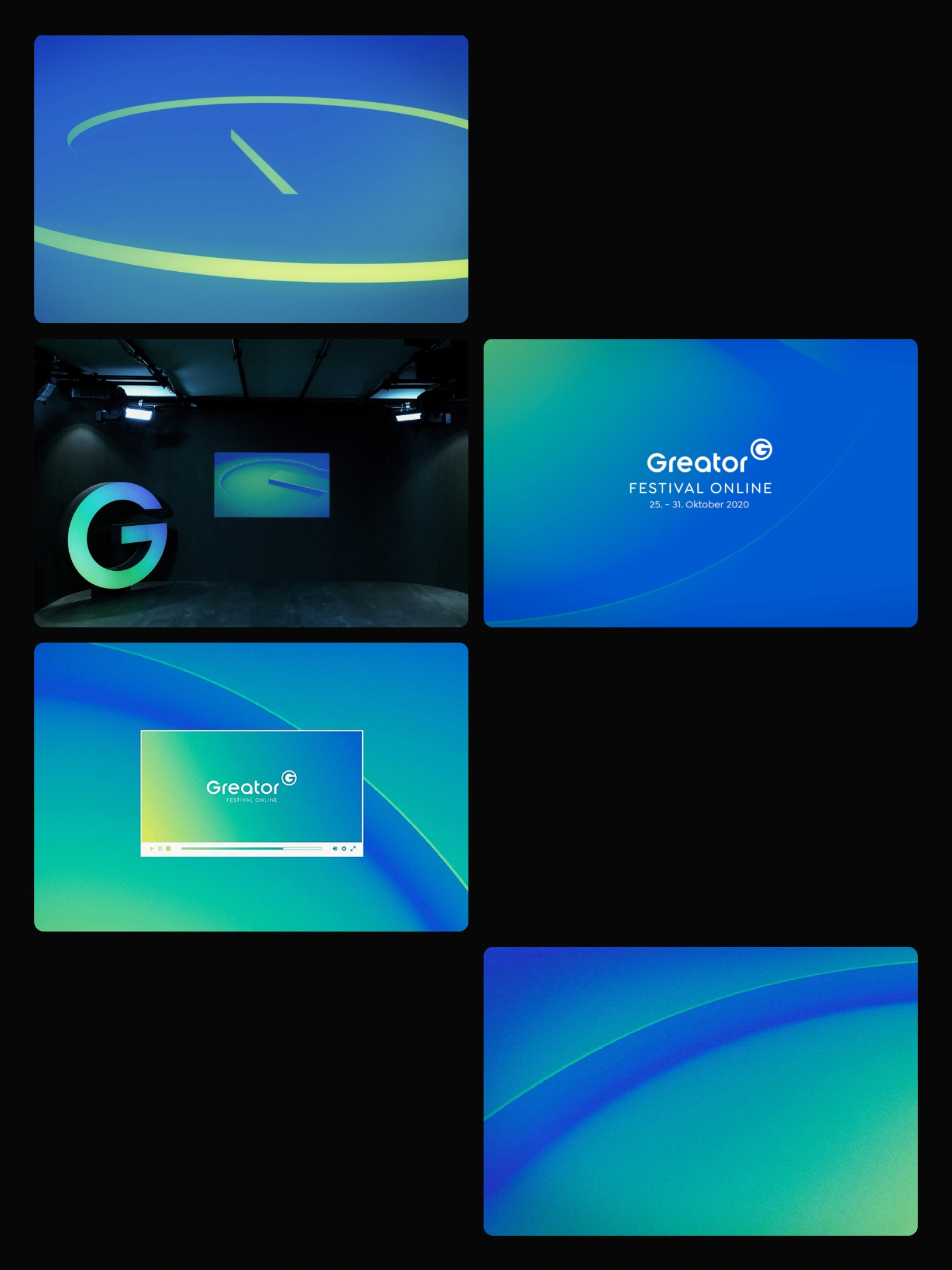
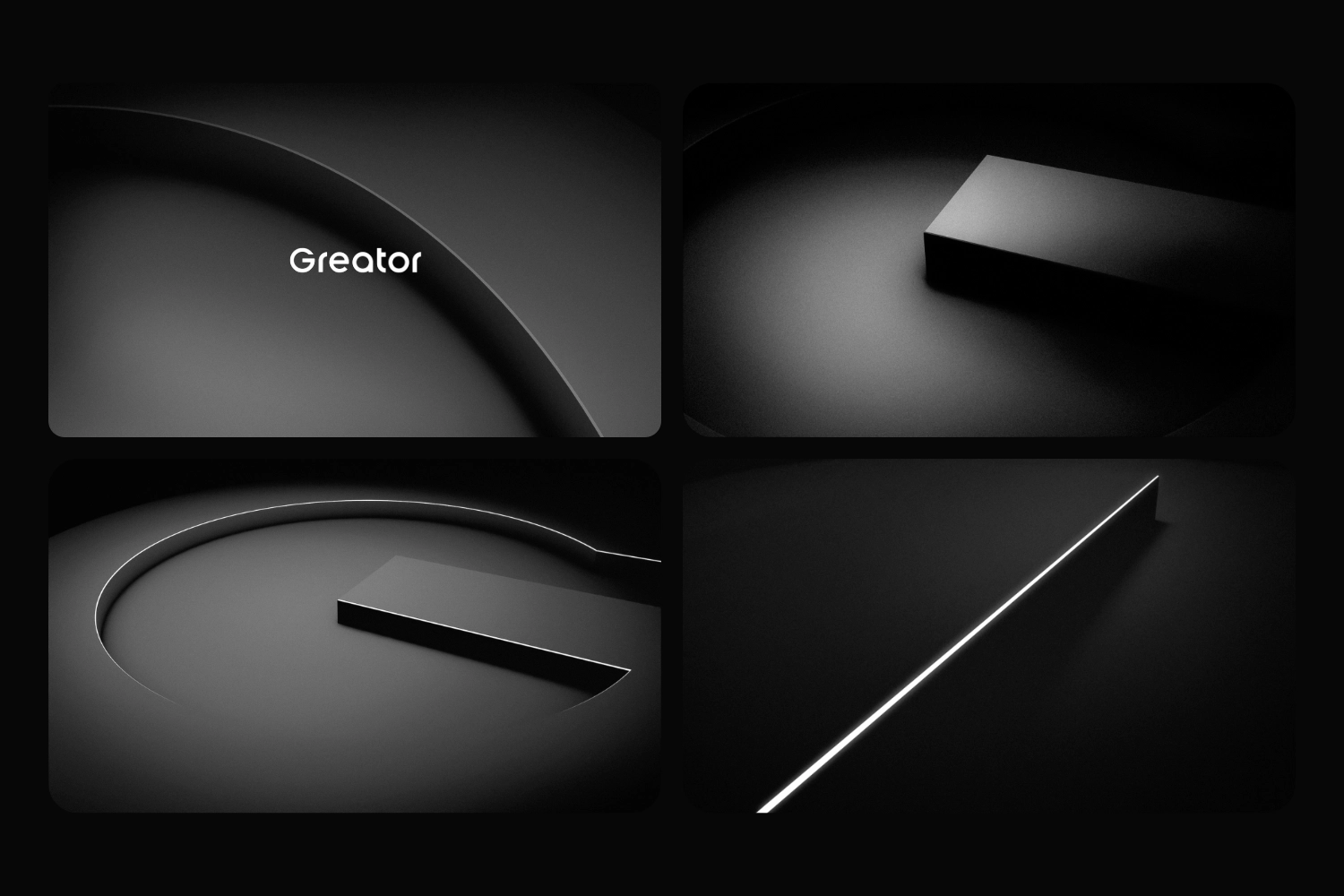
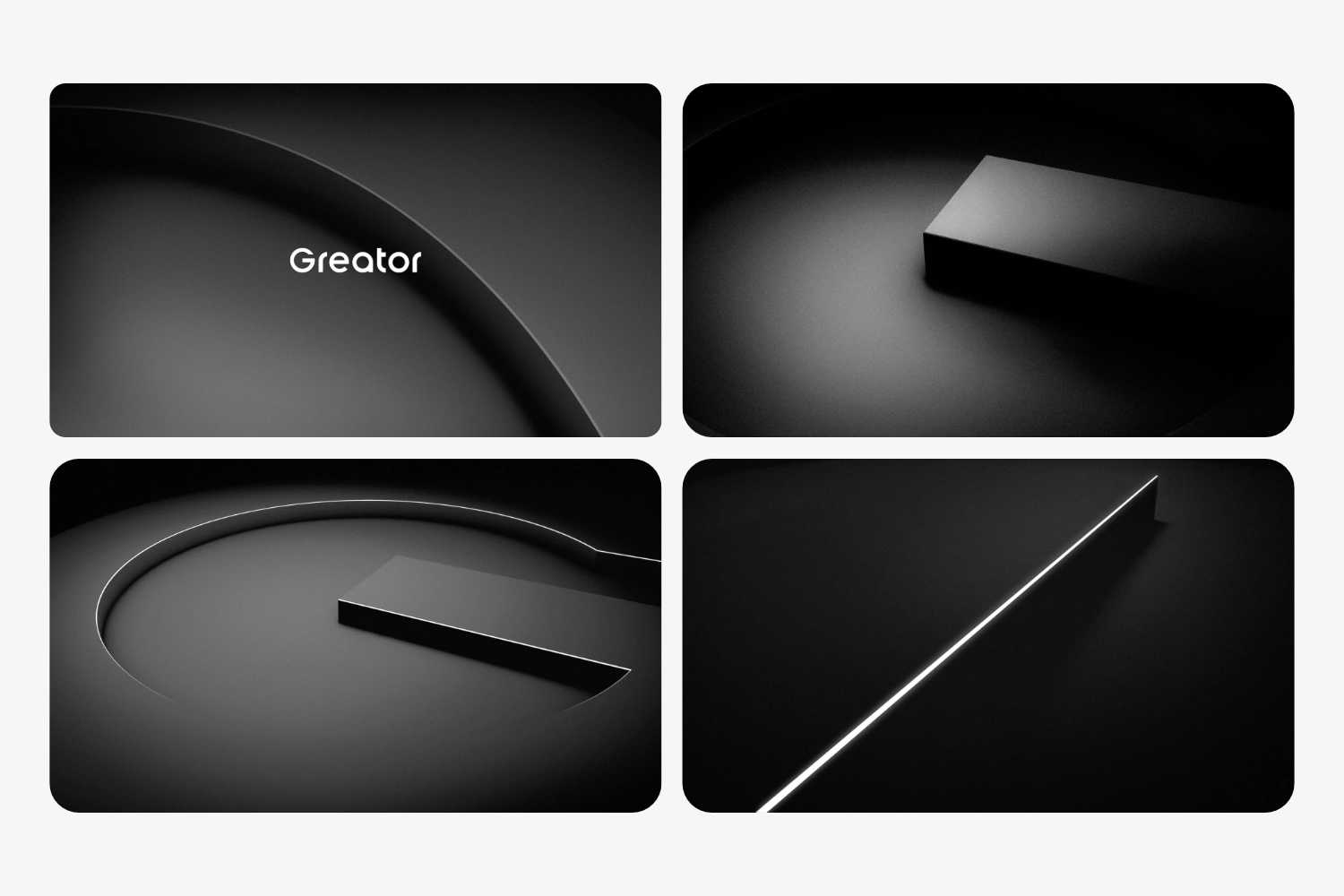
When the pandemic disrupted in-person events, Greator reimagined its annual festival as a large-scale online experience. Across the 2020 and 2021 editions, I led the creative development of the festival’s visual identity, motion language and broadcast environment, connecting the event experience with a coherent digital expression.
2020
Greator
Greator Festival Online
Role
Creative Director
The challenge
In 2020, Greator set out to translate the energy of its in-person festival into an online format, creating a shared experience for a global audience at a time when gathering in person was no longer possible.
The challenge extended beyond moving the event to a screen. The festival needed a recognisable visual world that could connect its speakers, presentations, broadcast environment and digital communications, while retaining a sense of occasion and connection.
Approach
I led the creative development across both editions, shaping the festival’s visual identity and motion language while co-directing the creative and technical setup of two in-house broadcast studios. Working closely with the Greator team and broadcast partners, I helped connect the physical studio environment with the on-screen experience, establishing a consistent visual framework across live content, digital visuals, social assets and motion graphics.
For the 2020 edition, I also conceived, directed and edited The Key, a short documentary film that captured the underlying ideas of the festival. The film extended the project beyond the live broadcast, translating the event’s themes into a standalone piece of storytelling.
In 2021, I focused on adapting and reworking the existing material for the refreshed identity. By building on the previous edition’s creative system, we could concentrate on what needed to change rather than start again. The updated motion package, including titles, transitions and graphics, was developed within two weeks.
The work
Across both editions, the visual identity and motion system connected the different parts of the festival into a recognizable whole. The broadcast studios became part of that expression, bringing the visual language into the environment from which the event reached its audience.
The 2020 edition established the online format, while the 2021 edition demonstrated how its creative foundation could be adapted to new requirements and a compressed production schedule. Together, the projects explored how a coherent visual and narrative system could support an experience across multiple formats and evolve beyond a single event.
Disciplines
Creative direction
Visual Identity
Motion design direction
Concept development
Film direction & editing
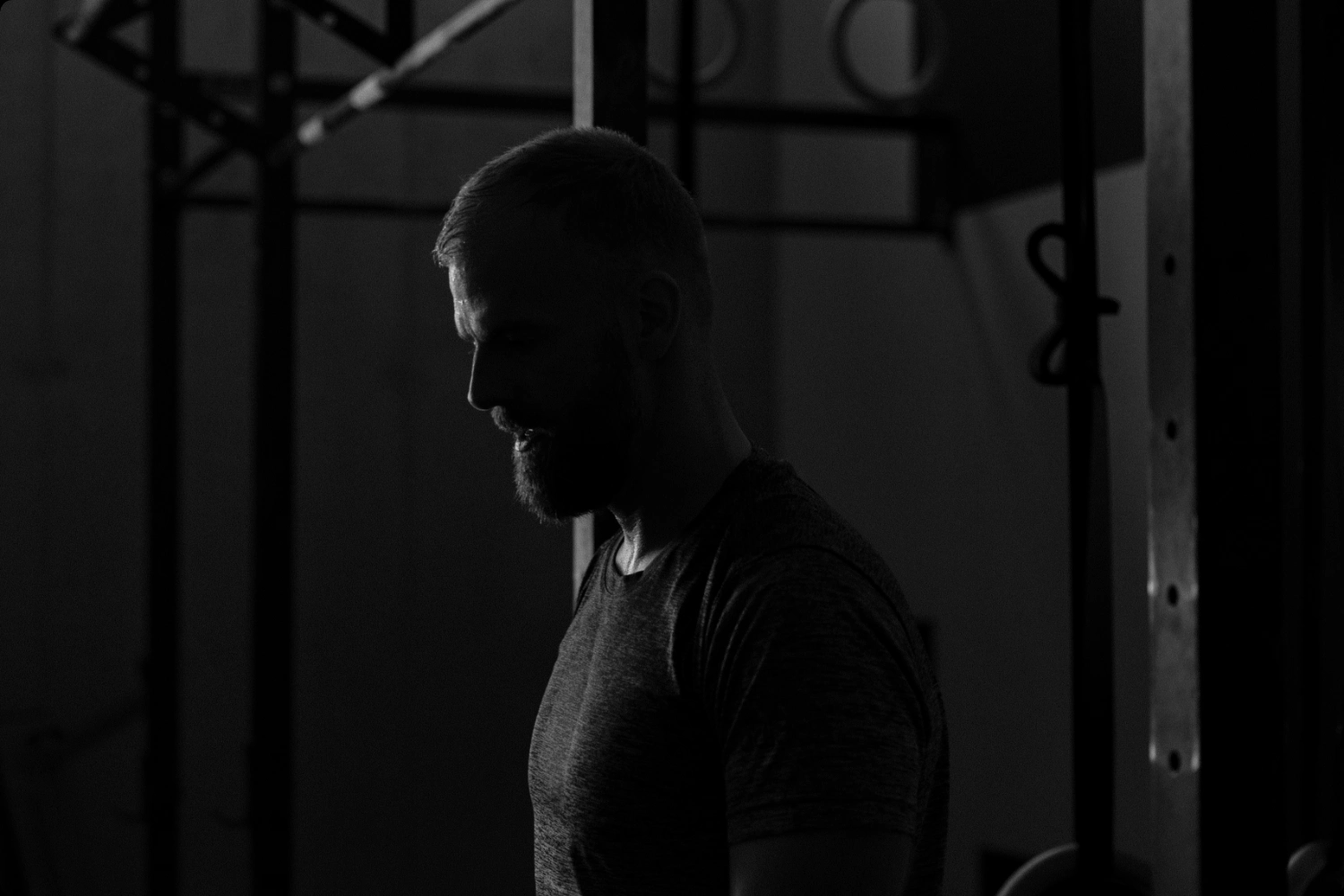
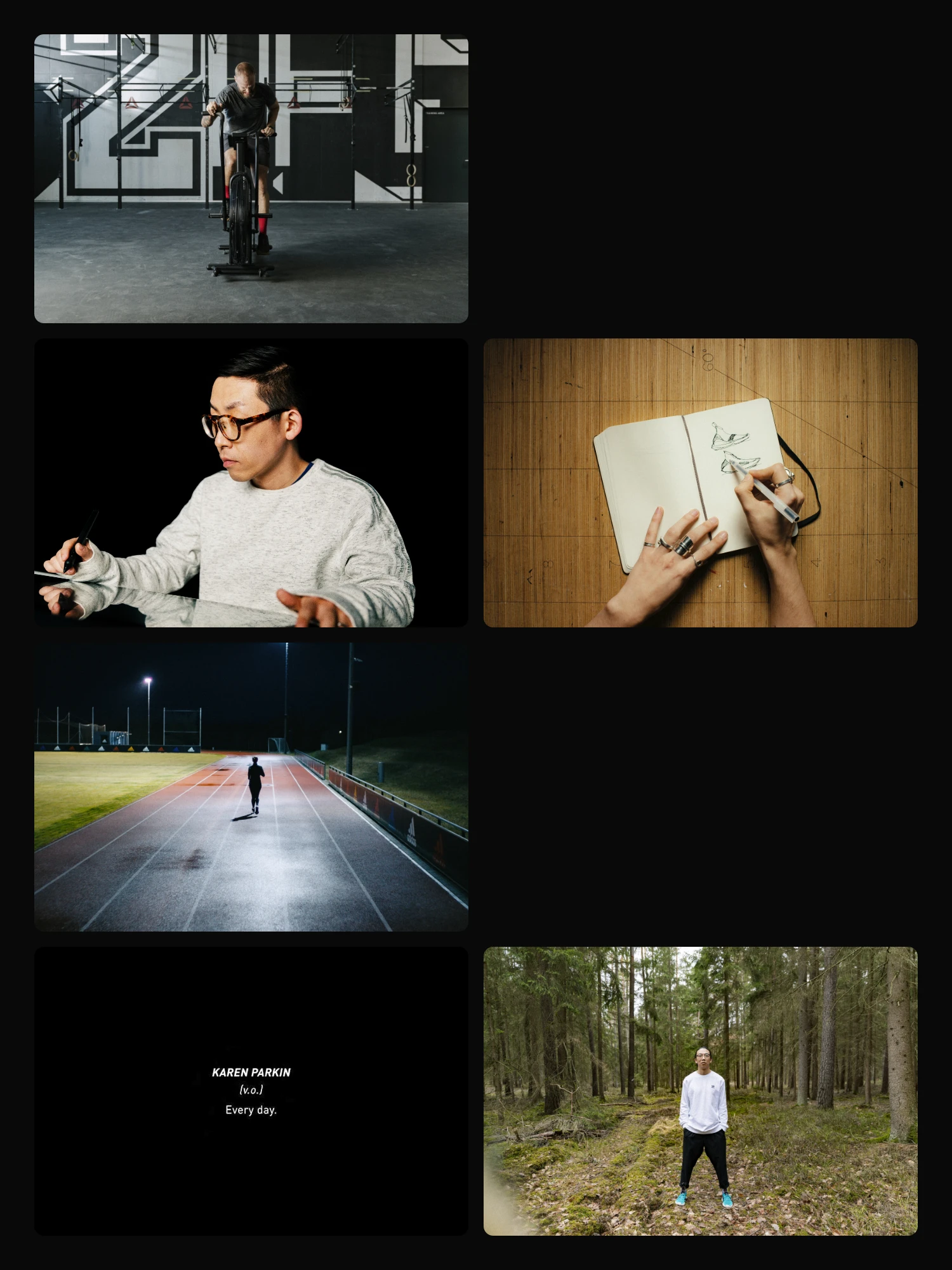
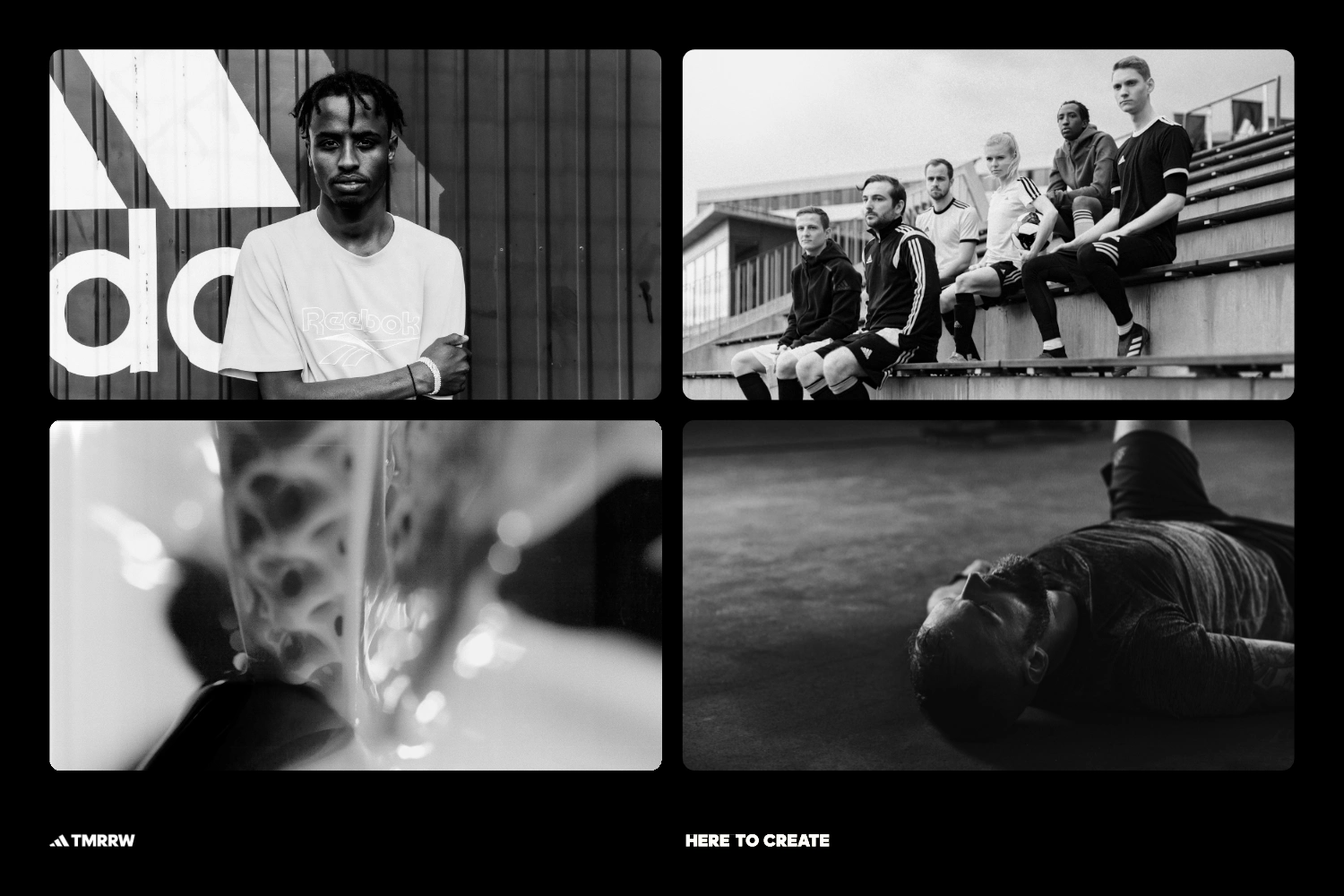
Shaping a global employer brand around the future of sport: TMRRW, an adidas employer-brand initiative exploring the future of the company and the people shaping it. Developed as a global campaign, the project brought together strategic positioning, narrative development and a distinctive creative direction.
2019
adidas
TMRRW
Role
Creative Director
The challenge
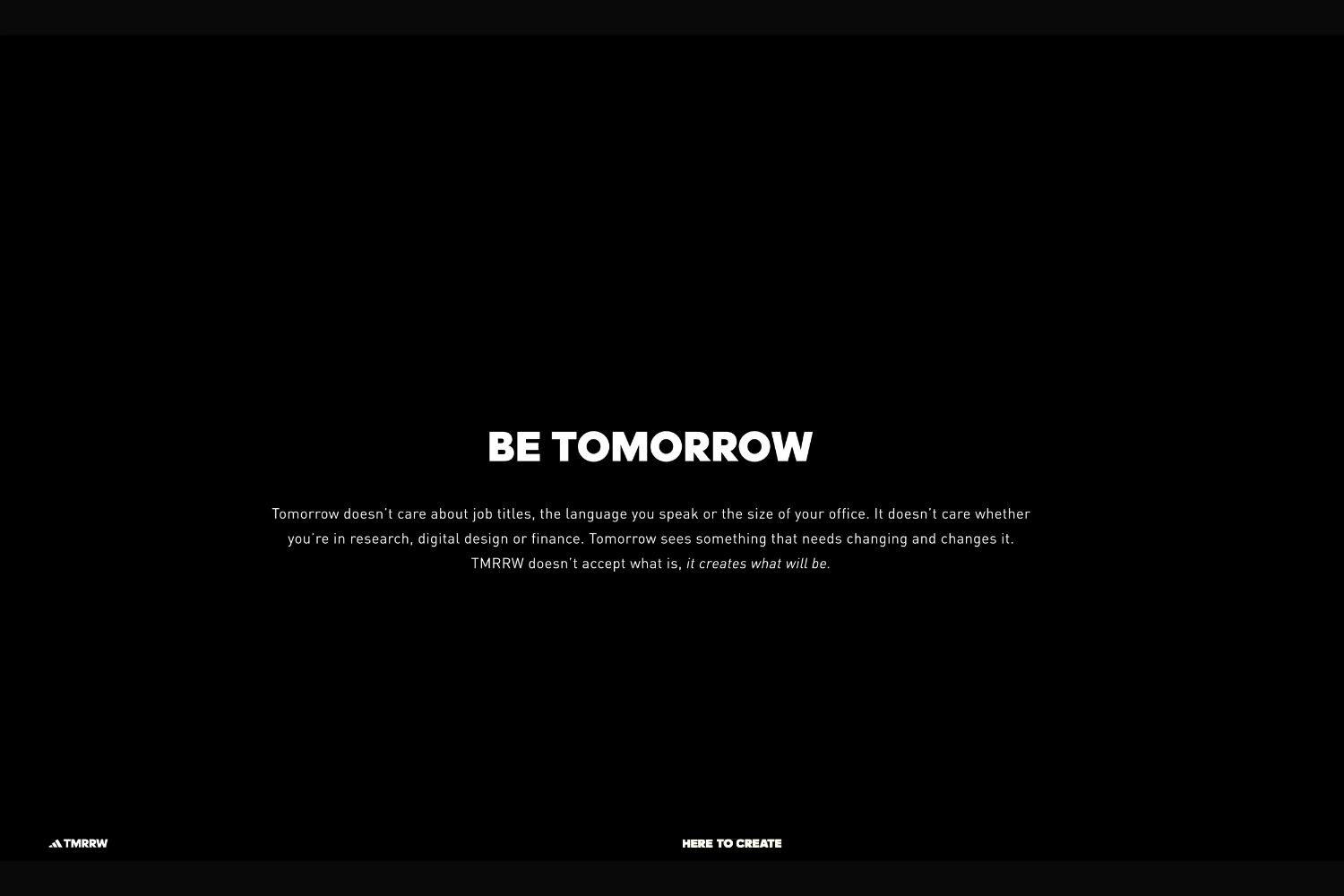
Employer branding at a global scale required an authentic, aspirational story that could express adidas as an inclusive, purpose-driven and entrepreneurial environment, connecting its culture and values with a new generation of talent.
For TMRRW, the challenge was to move beyond conventional recruitment communication and create a more compelling expression of what adidas stood for, what it aspired to become and how people could see themselves within that future. The campaign needed to inspire, attract and retain diverse talent across markets, while building internal pride and employee advocacy.
Approach
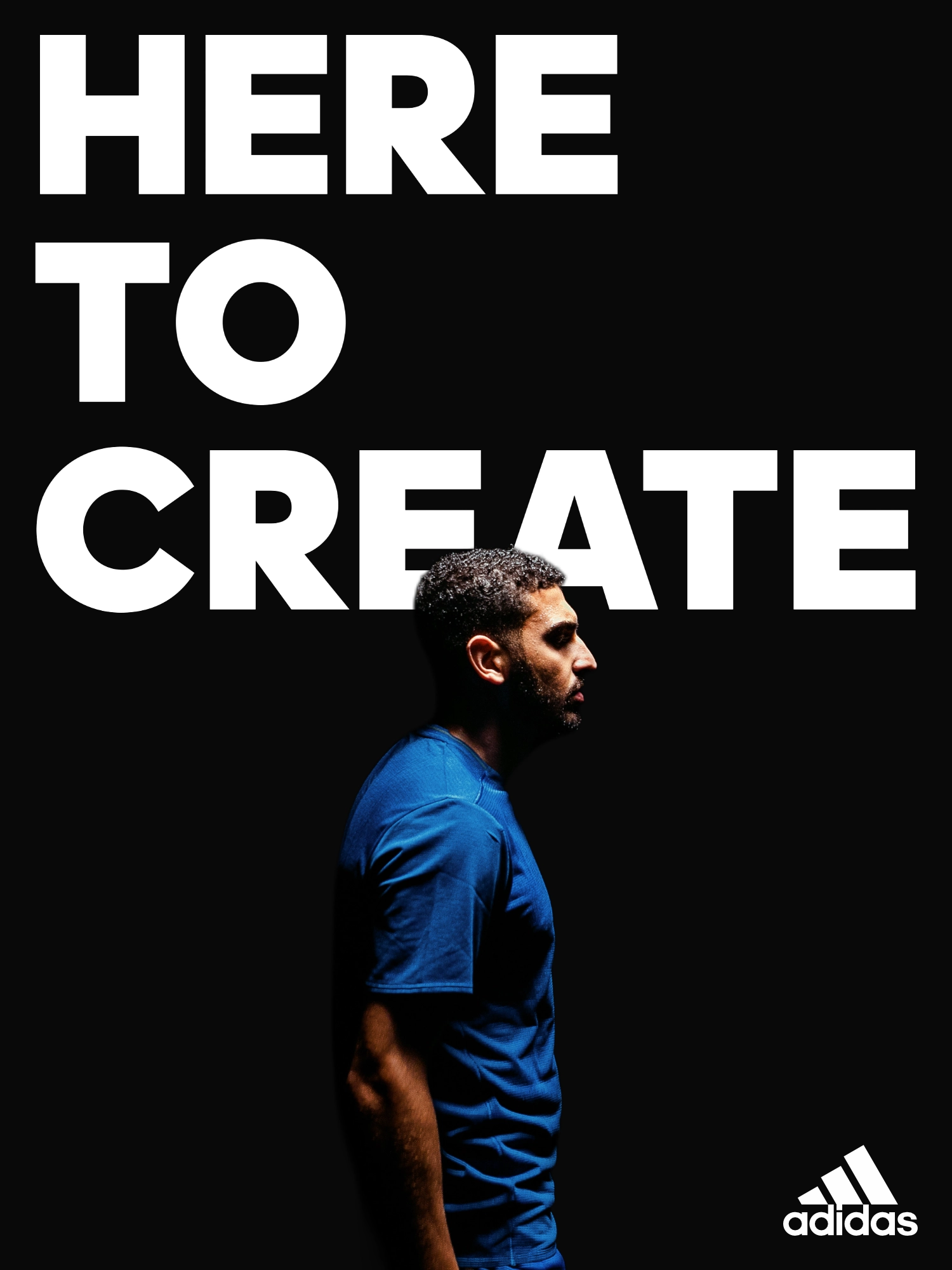
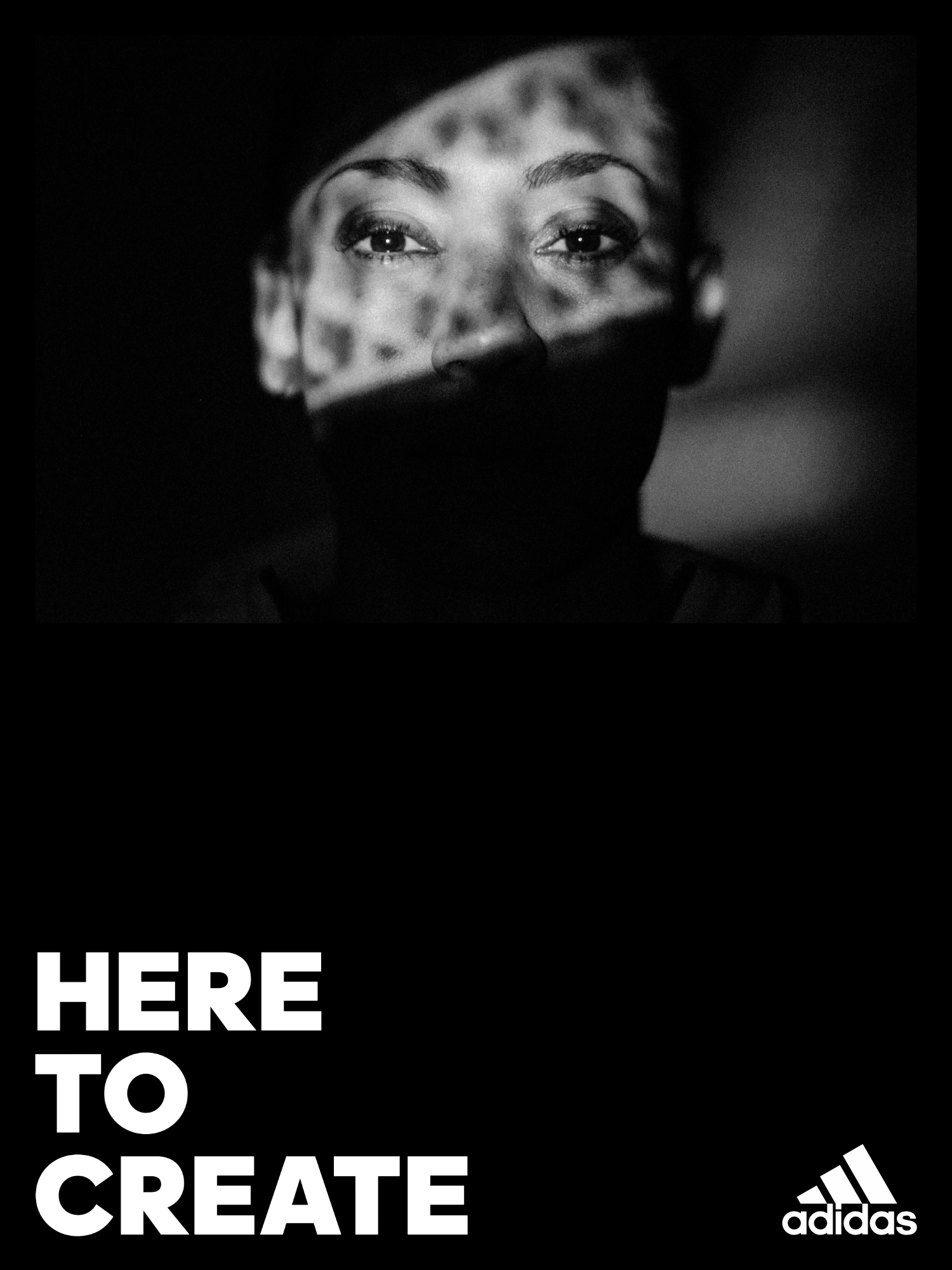
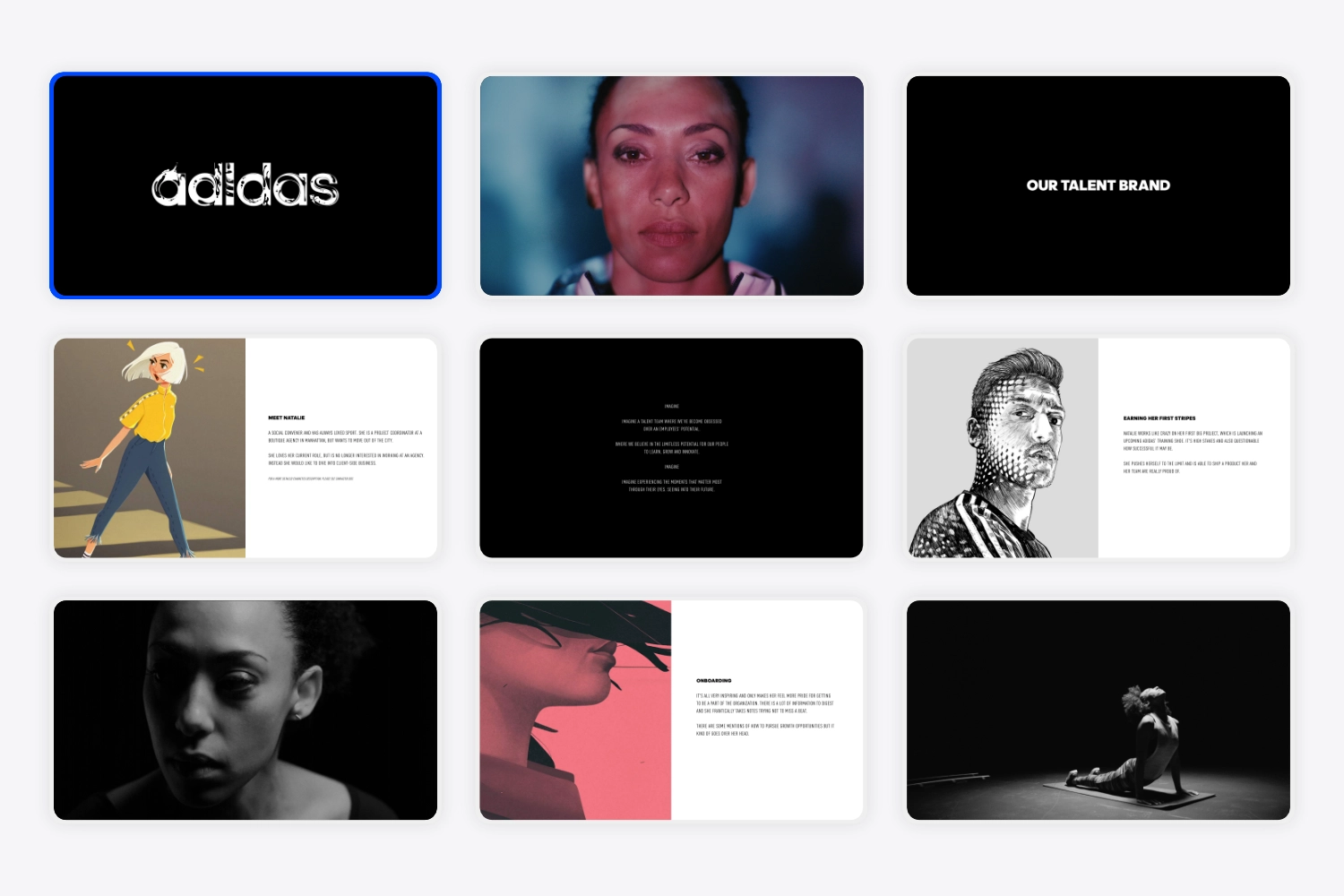
I led the creative direction from strategic concept through visual development and production, shaping the overarching narrative and translating it into a framework for the campaign. At its core was the proposition BE TOMORROW: a belief in people who see what needs changing and take action to create what comes next. This became the foundation for a story about the creators shaping the future of adidas, regardless of their role, discipline or location.
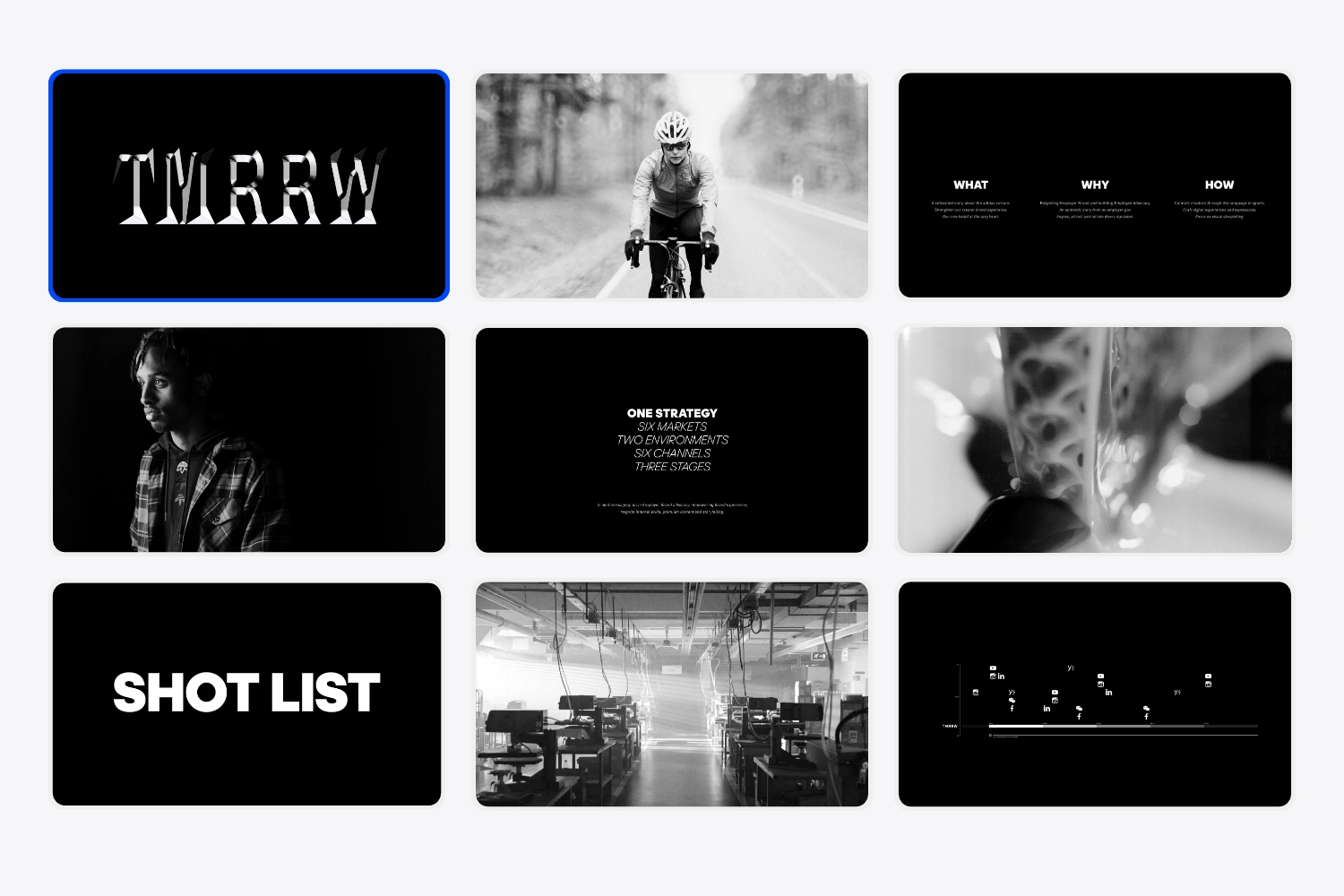
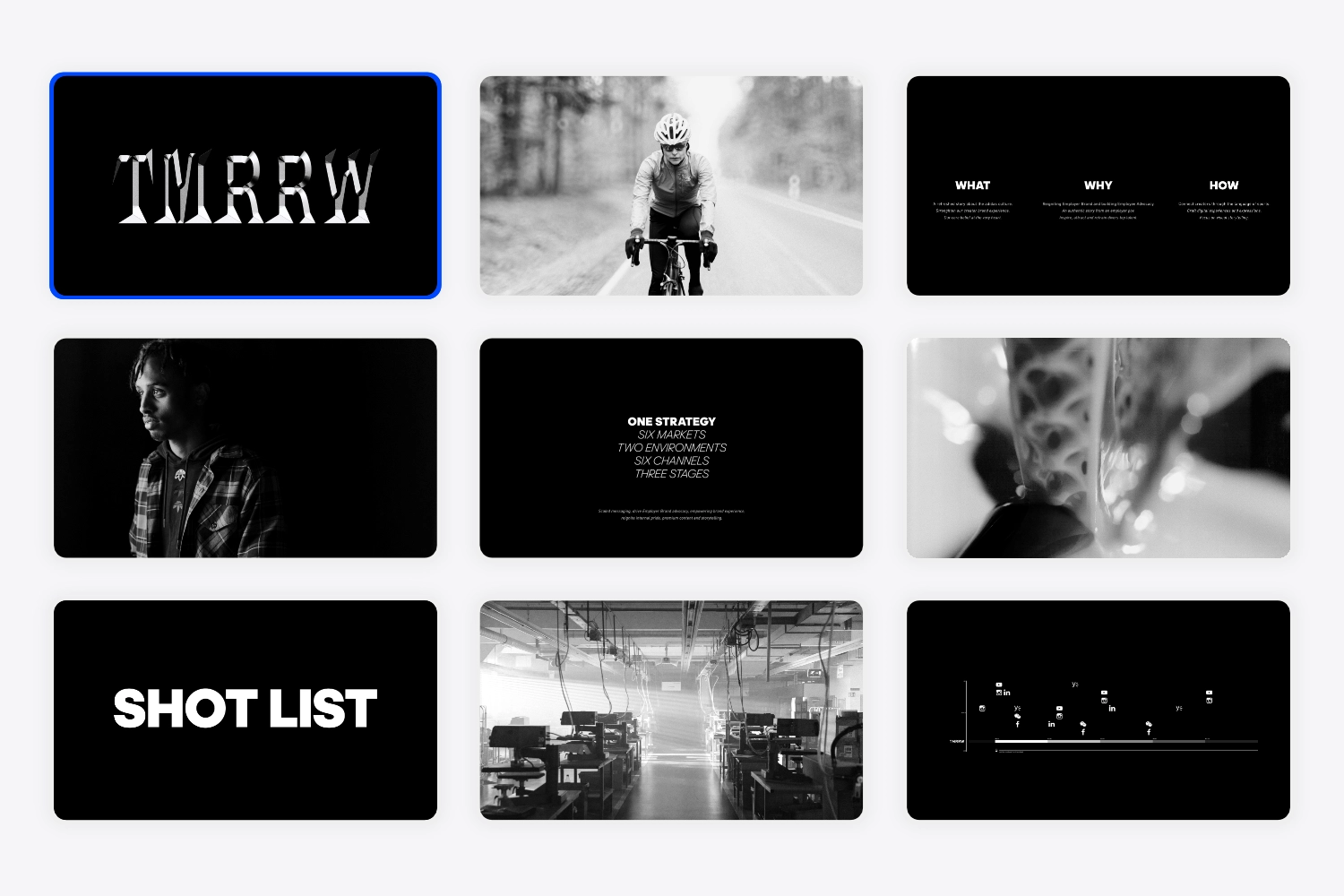
The visual direction drew inspiration from adidas’ FUTURECRAFT language and aligned with the 2019 global brand guidelines. Within this framework, TMRRW took a more cinematic, content-led approach to employer branding, combining film, dynamic editing, bold typography and mixed media to express the adidas culture beyond conventional corporate communication.
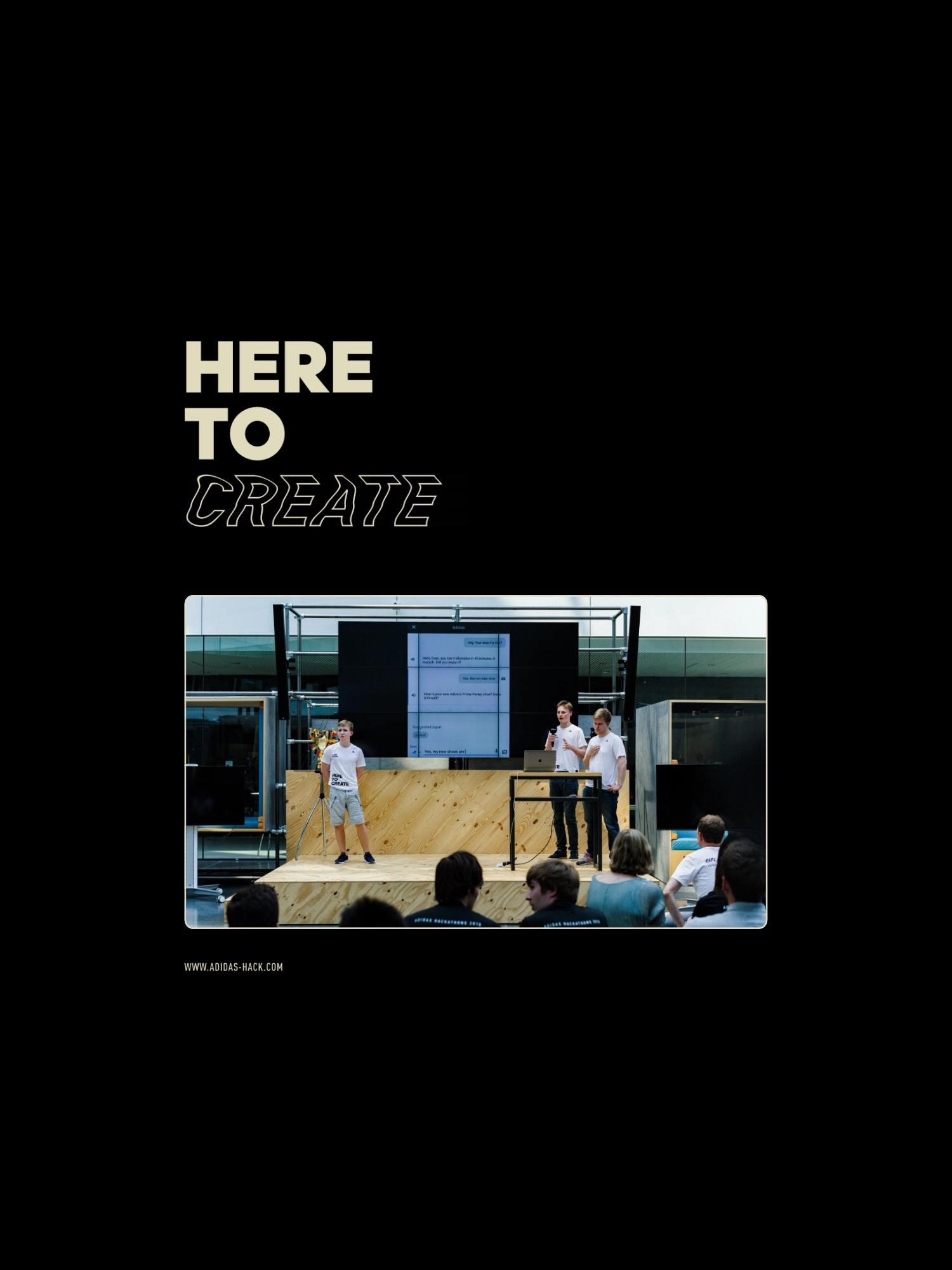
The project required close collaboration across adidas’ internal teams, alignment with senior stakeholders up to SVP level, and the coordination of external creative and production partners. I presented and developed the creative direction with leadership, while building relationships across Brand Communications, Global Brand Design, Talent and Legal to ensure that the strategic ambition translated into a coherent creative expression.
Throughout the process, I remained responsible for the integrity of the central concept, guiding creative decisions, resolving feedback and balancing different perspectives. My role connected strategic decision-making with hands-on creative leadership, aligning stakeholders around a shared vision and translating that vision into clear direction for the teams and partners developing the work.
The work
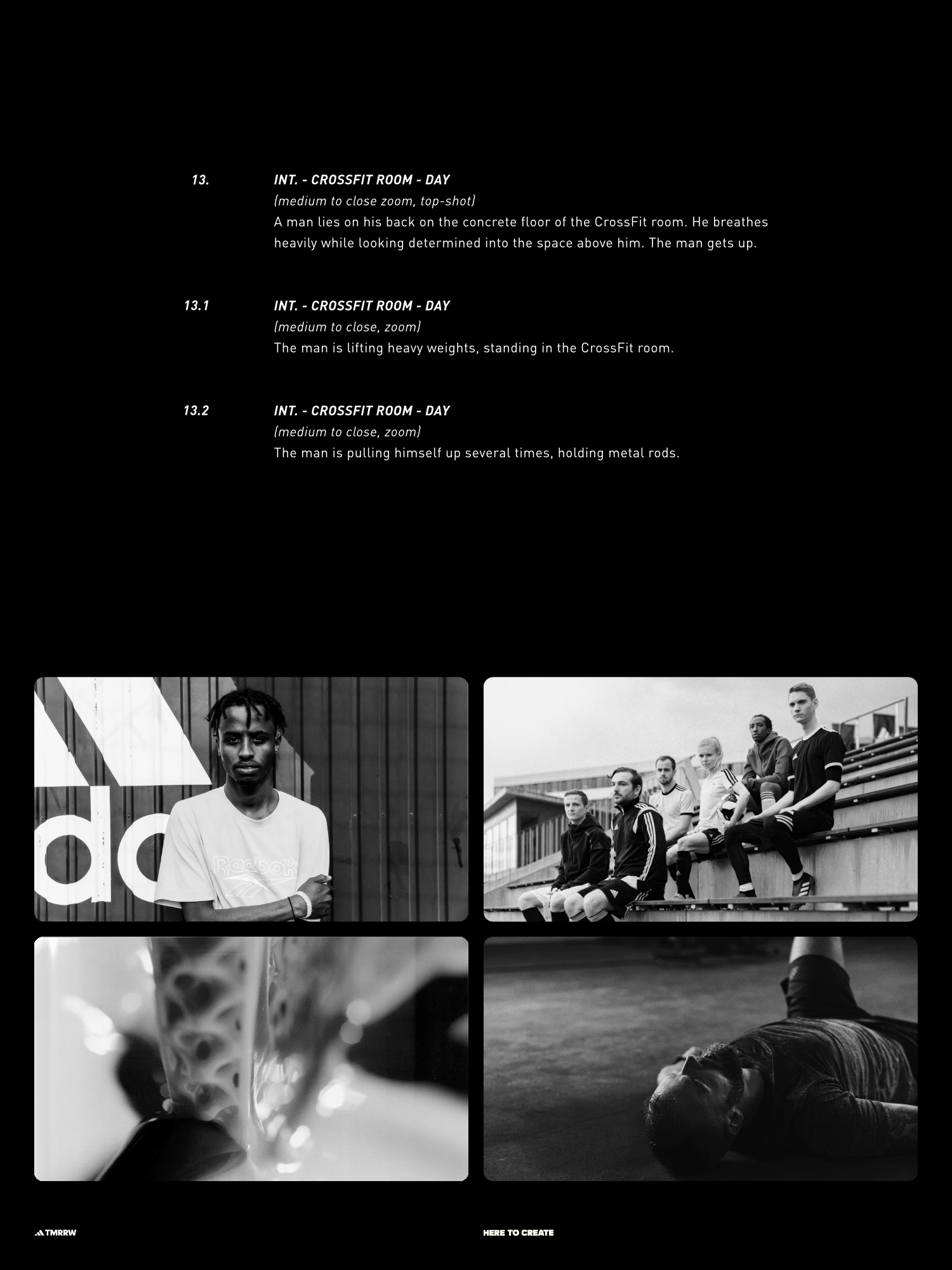
The campaign framework connected leadership perspectives with authentic employee experiences, giving the story both strategic grounding and a human voice. Together, these perspectives were designed to communicate the adidas employer value proposition, encourage identification among prospective talent and strengthen a shared sense of purpose internally.
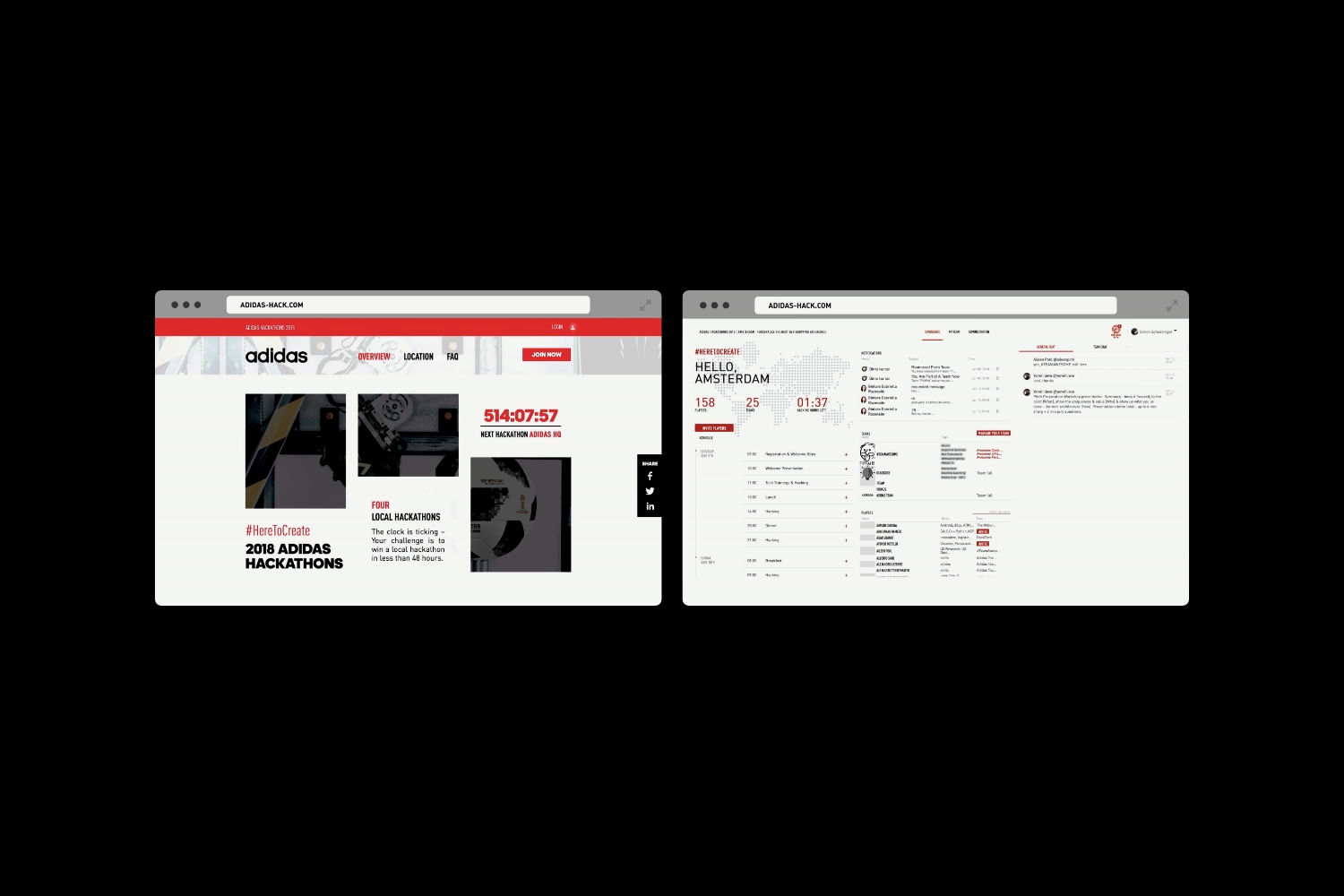
Designed for six markets, the framework connected film-led storytelling with social content and a dedicated campaign page. A phased approach moved from initial reach to deeper engagement and, ultimately, employee advocacy, allowing one strategic idea to travel across channels and audiences.
The campaign was never released. The COVID-19 pandemic led to a hiring freeze, putting the initiative on hold before launch. The work therefore remained a developed strategic and creative concept rather than a public-facing campaign.
Disciplines
Employer brand strategy
Narrative development
Creative concept
Creative direction
Visual storytelling
Film & motion direction
Art direction
Global campaign development
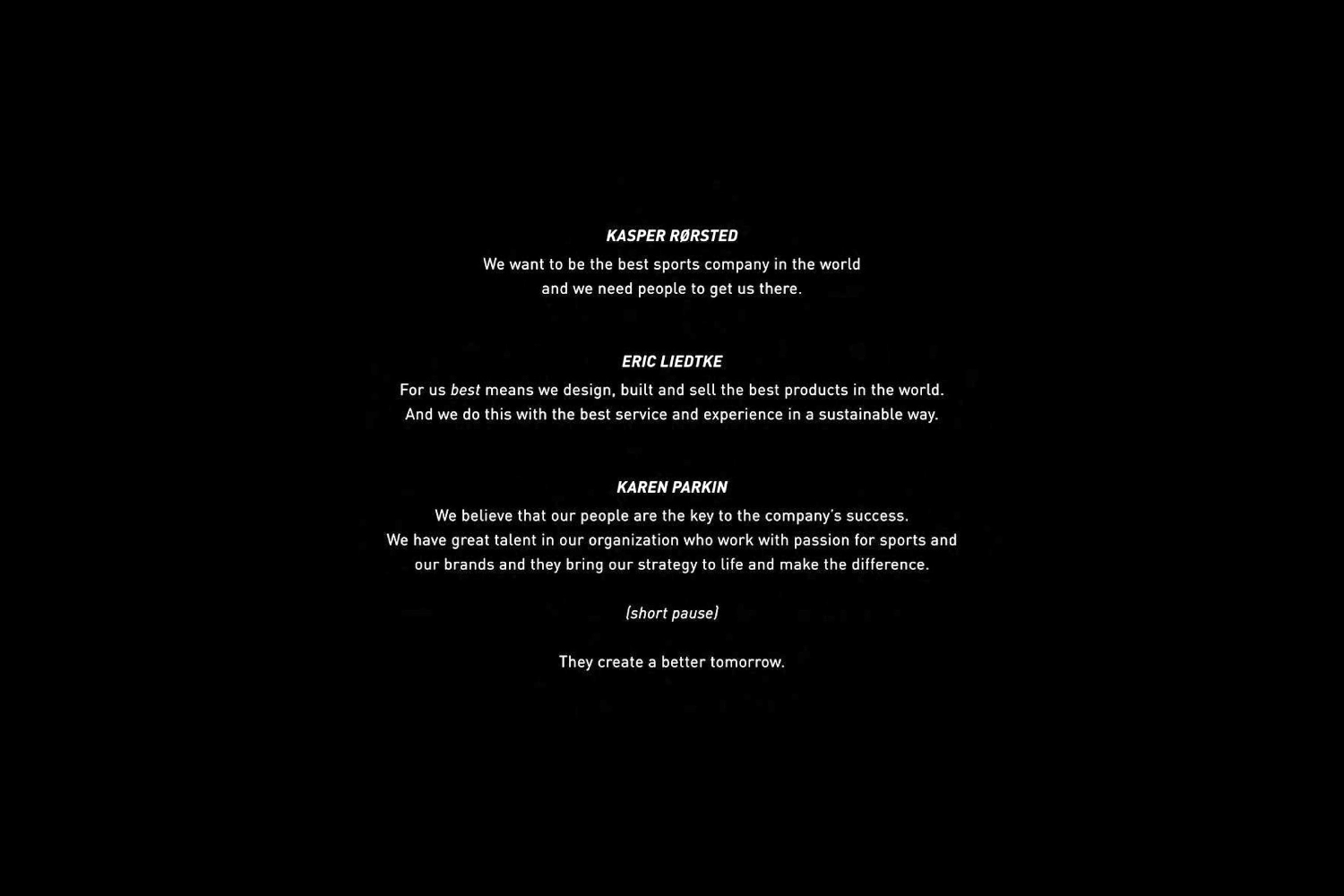
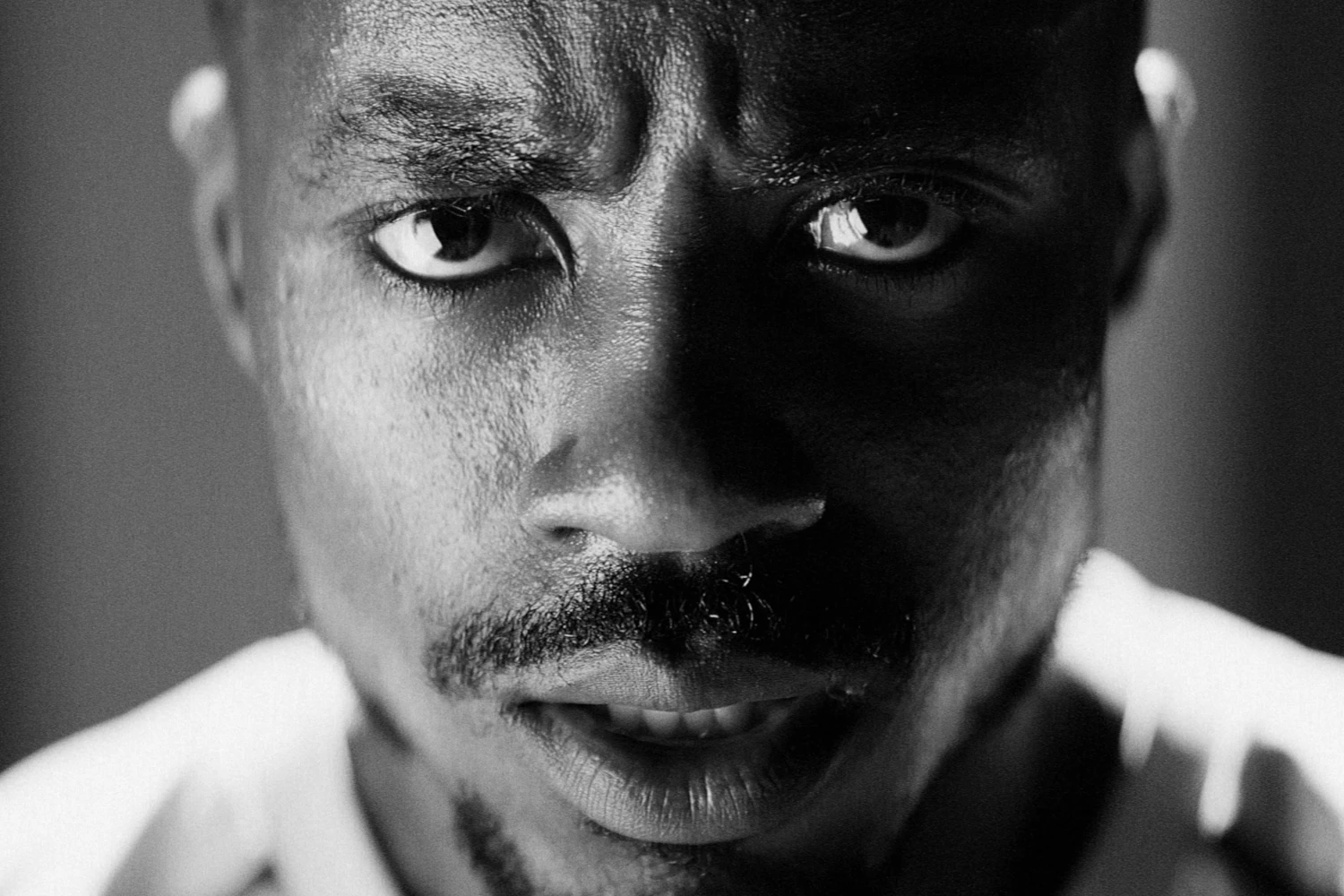
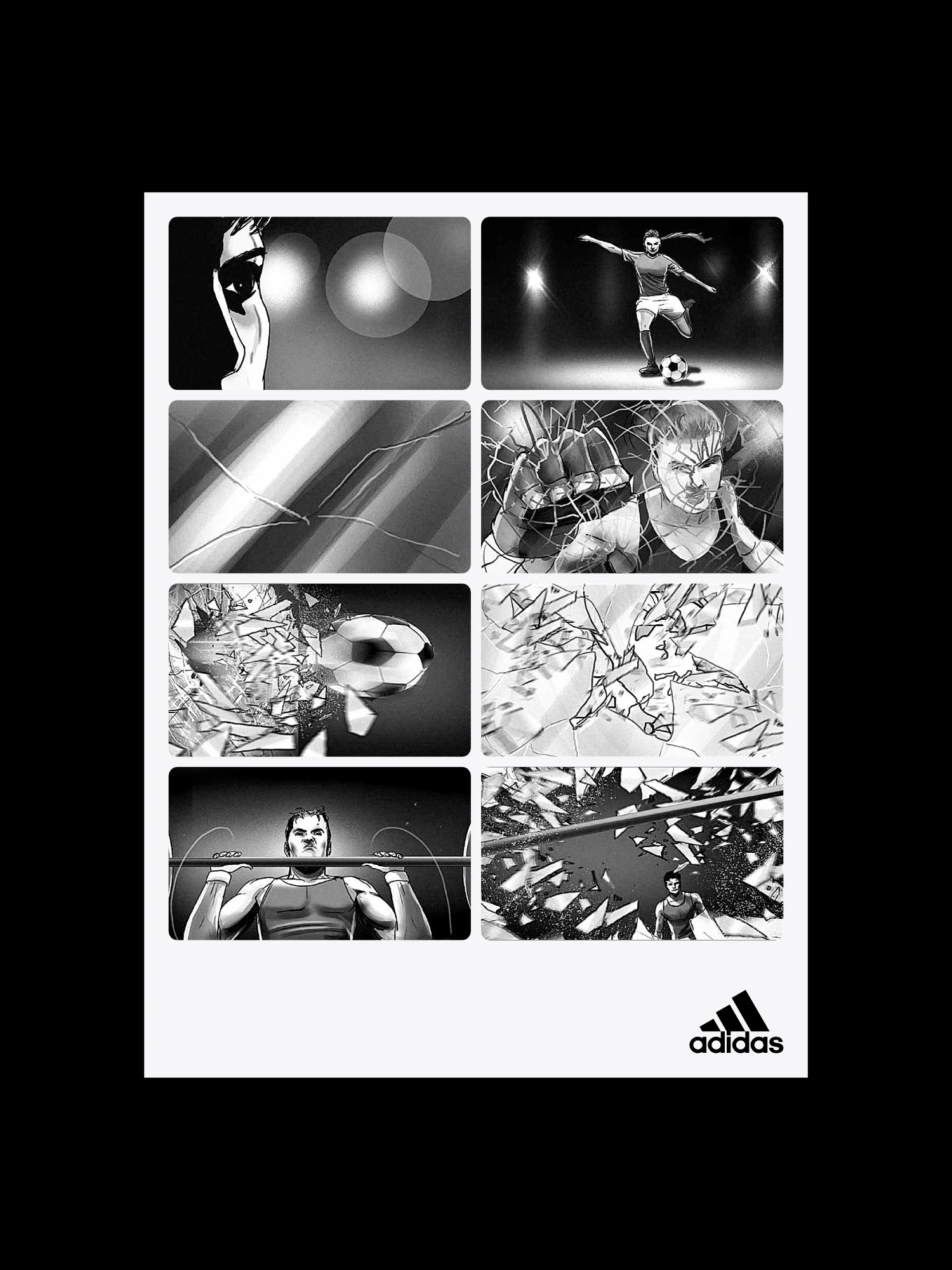
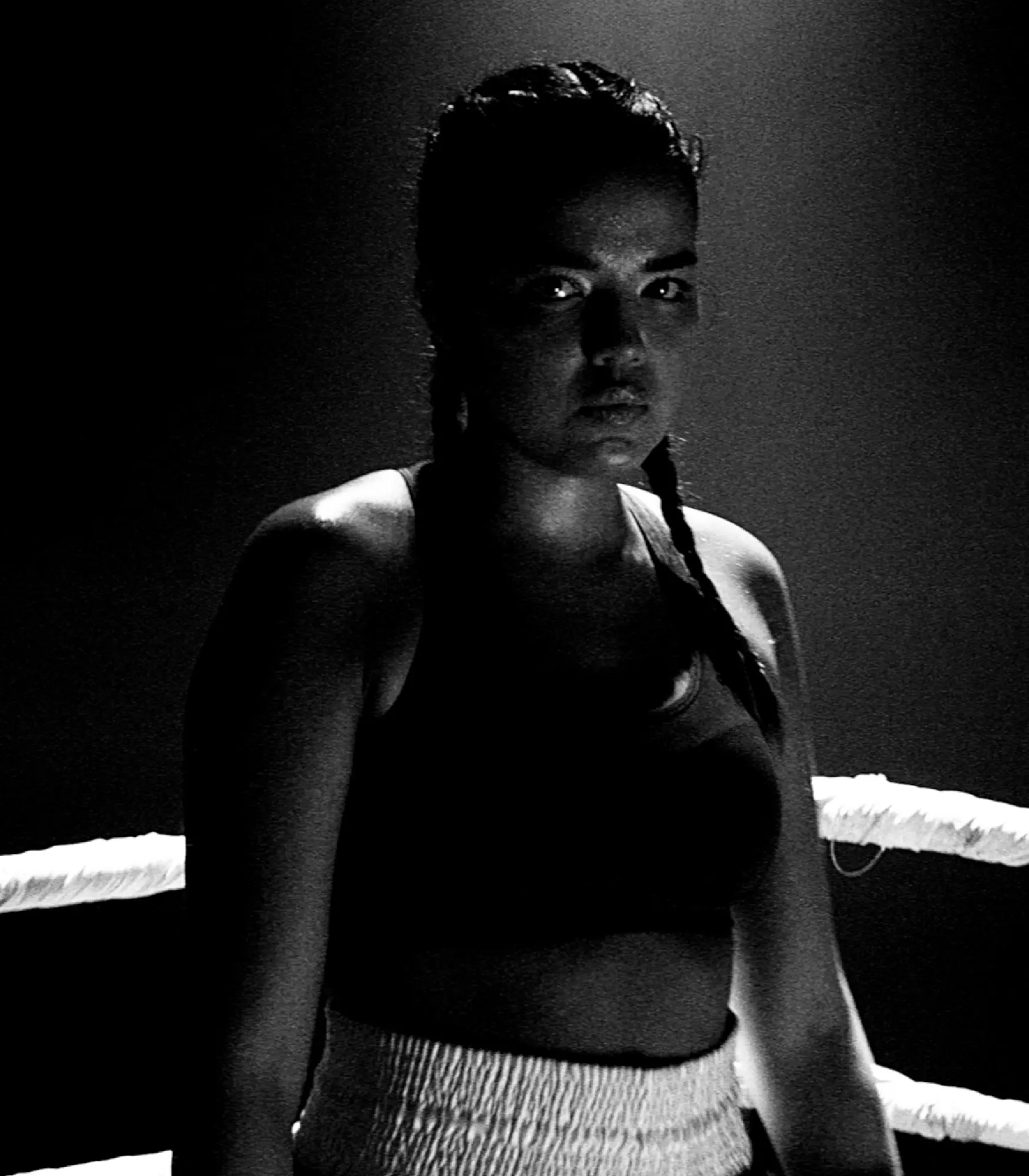
Breaking the Glass was an adidas Diversity & Inclusion film exploring the invisible barriers people face. Initially developed as an external campaign, the project evolved into an internal statement, presented by the CEO to adidas’ global workforce.
2017
adidas
Breaking the Glass
Role
Creative Director
The challenge
Two months into joining adidas, I was asked to lead the creative direction of Breaking the Glass, a high-profile project addressing Diversity & Inclusion. The concept was already in development, but it needed greater clarity, cohesion and alignment across the organisation. With a tight deadline and a sensitive subject for a global sports brand, moving the project forward required both creative focus and close collaboration across teams.
The challenge was not only to develop a compelling film, but also to establish how adidas could address the subject meaningfully, in a way that internal stakeholders could support.
Approach
I took the concept back to the drawing board and built direct relationships with teams across HR, Talent, Brand Communications and Corporate Communications.
Bringing these perspectives into the process early helped us refine the concept, clarify its message and address the sensitivities surrounding the subject.
Through these internal discussions, it became clear that adidas was not ready to make such a strong public statement. Rather than pushing towards an external launch, we reconsidered the film’s purpose and audience. Working closely with the cross-functional teams and adidas’ SVP of Diversity & Inclusion, I helped shape a new direction: a film that could serve as an internal catalyst for conversation. During the internal alignment process, an upcoming global Diversity & Inclusion event emerged as the right platform for the film.
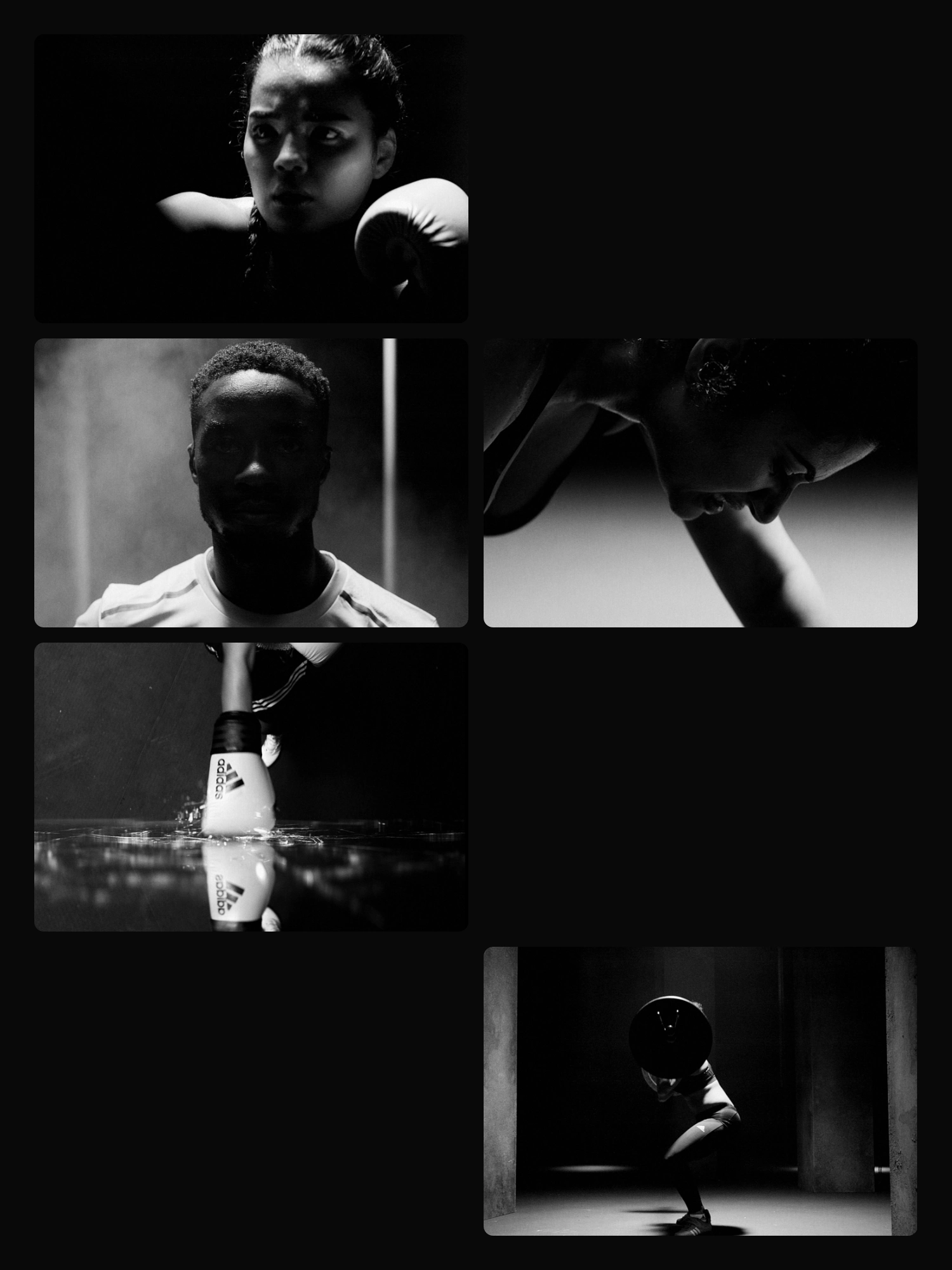
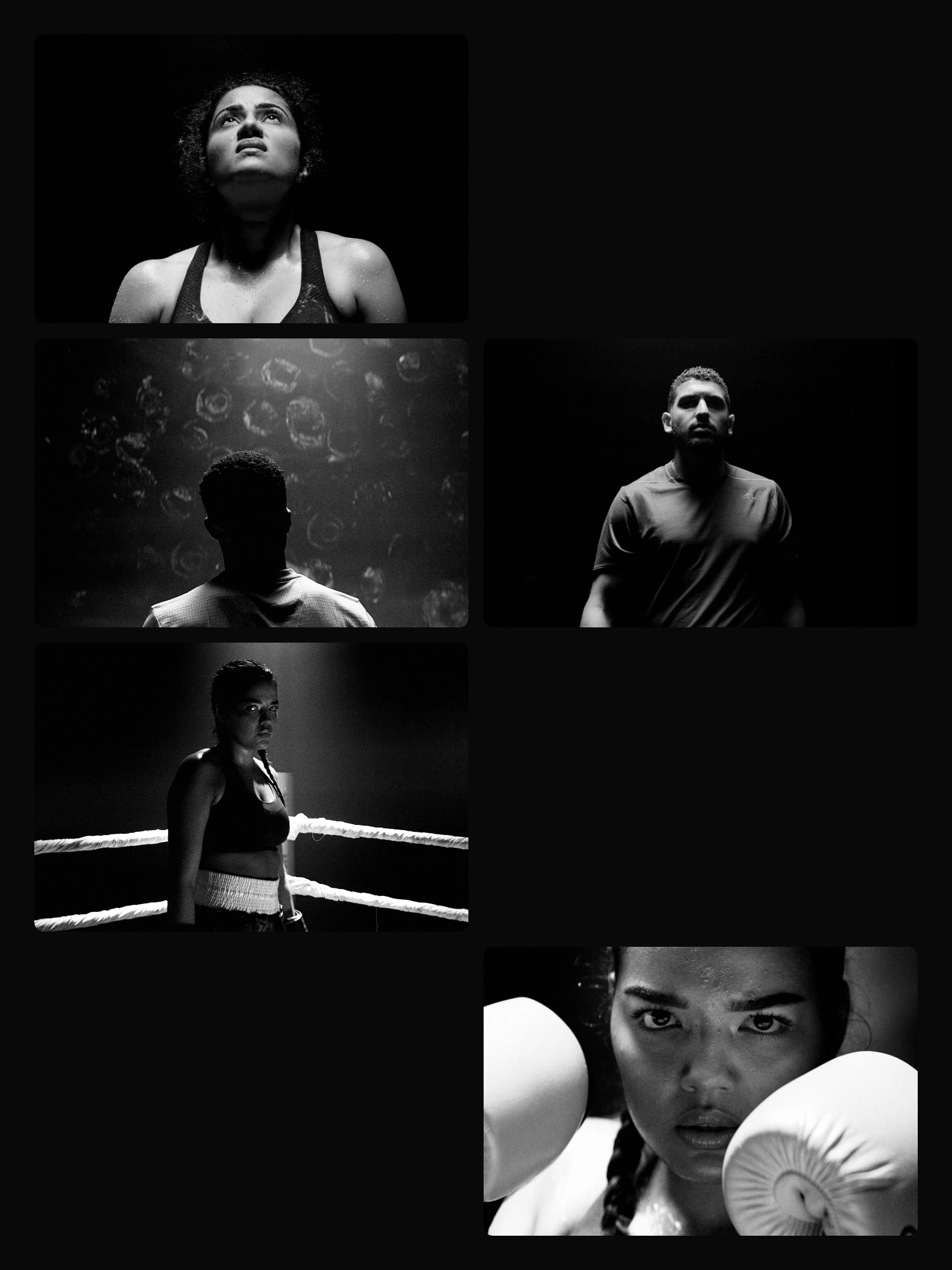
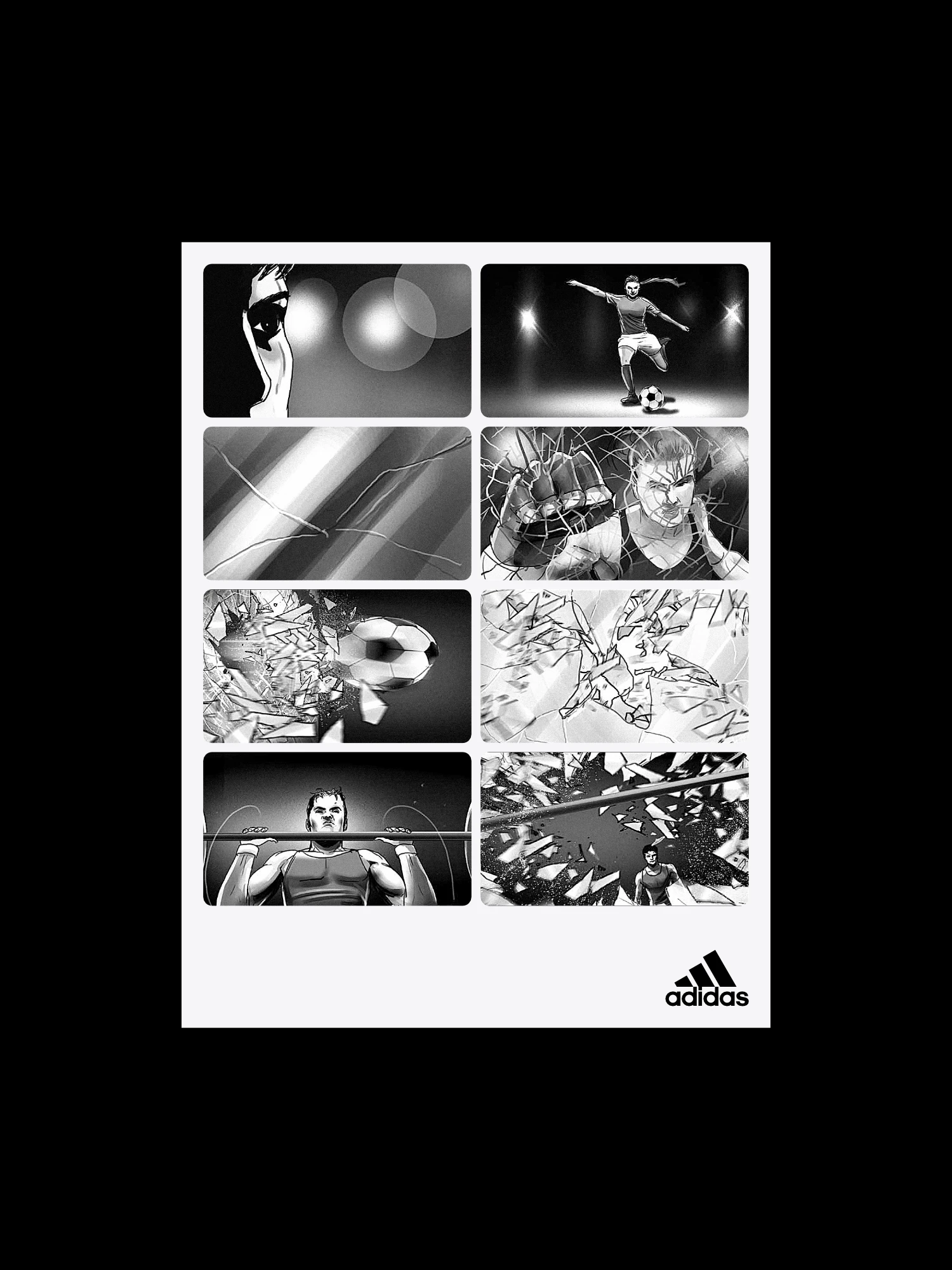
The creative concept centred on the metaphor of the glass ceiling. We brought it to life through real adidas employees using sport to physically break glass, translating an abstract and often invisible barrier into a tangible visual language.
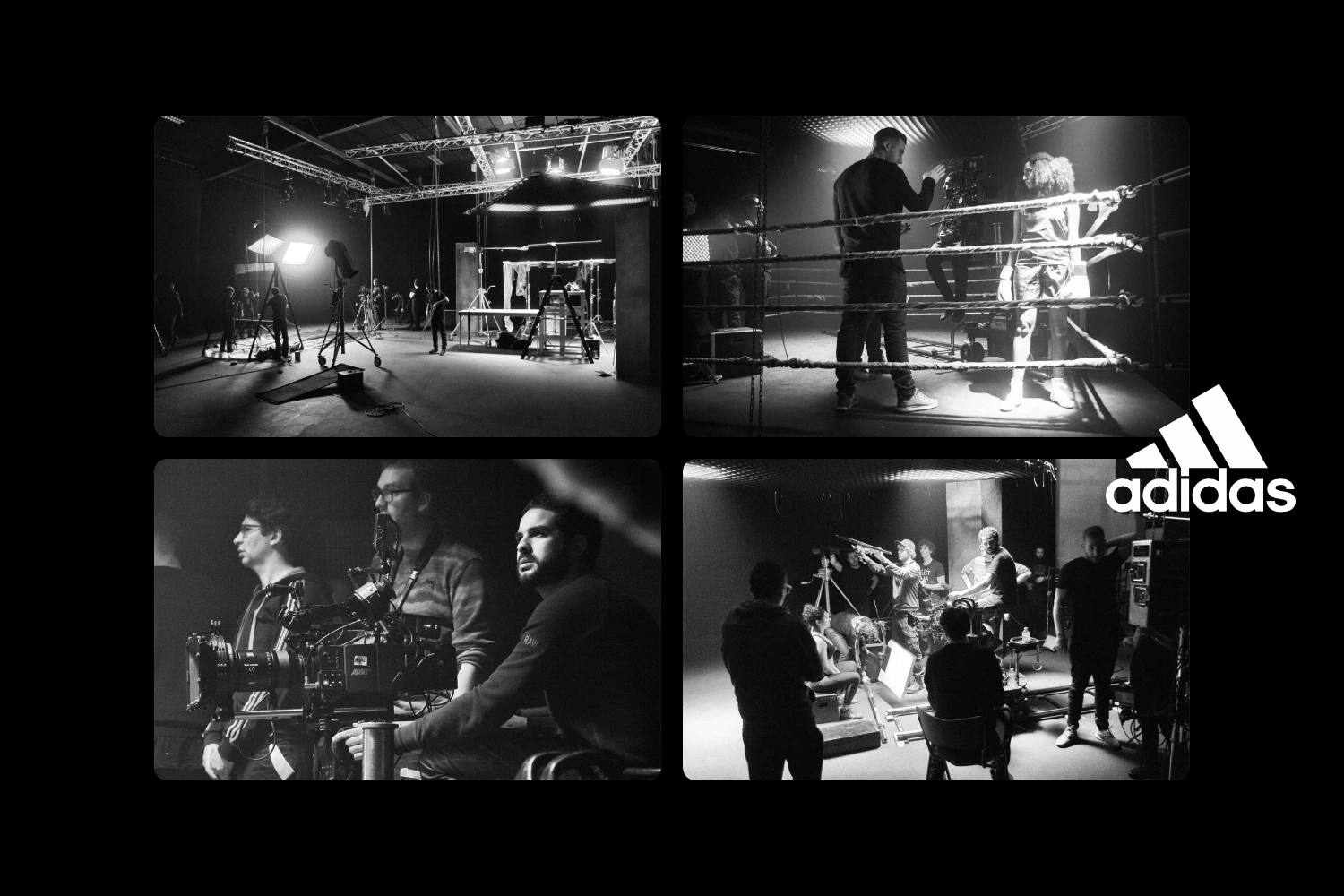
I refined the concept, selected the production company and film director, and led the creative process on behalf of adidas. During a two-day shoot in Amsterdam, I worked closely with the director to realise the visual direction, then supervised post-production.
The work
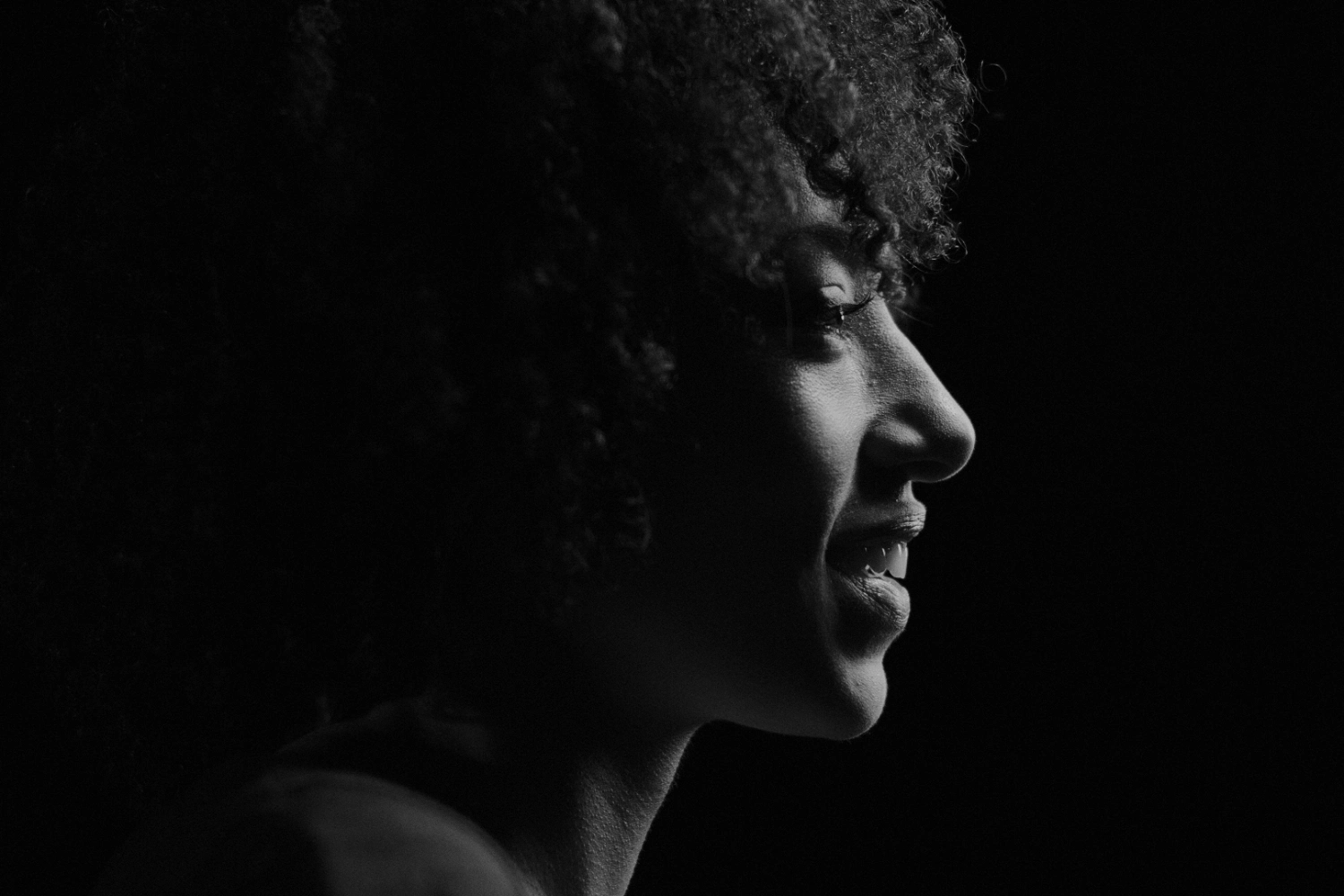
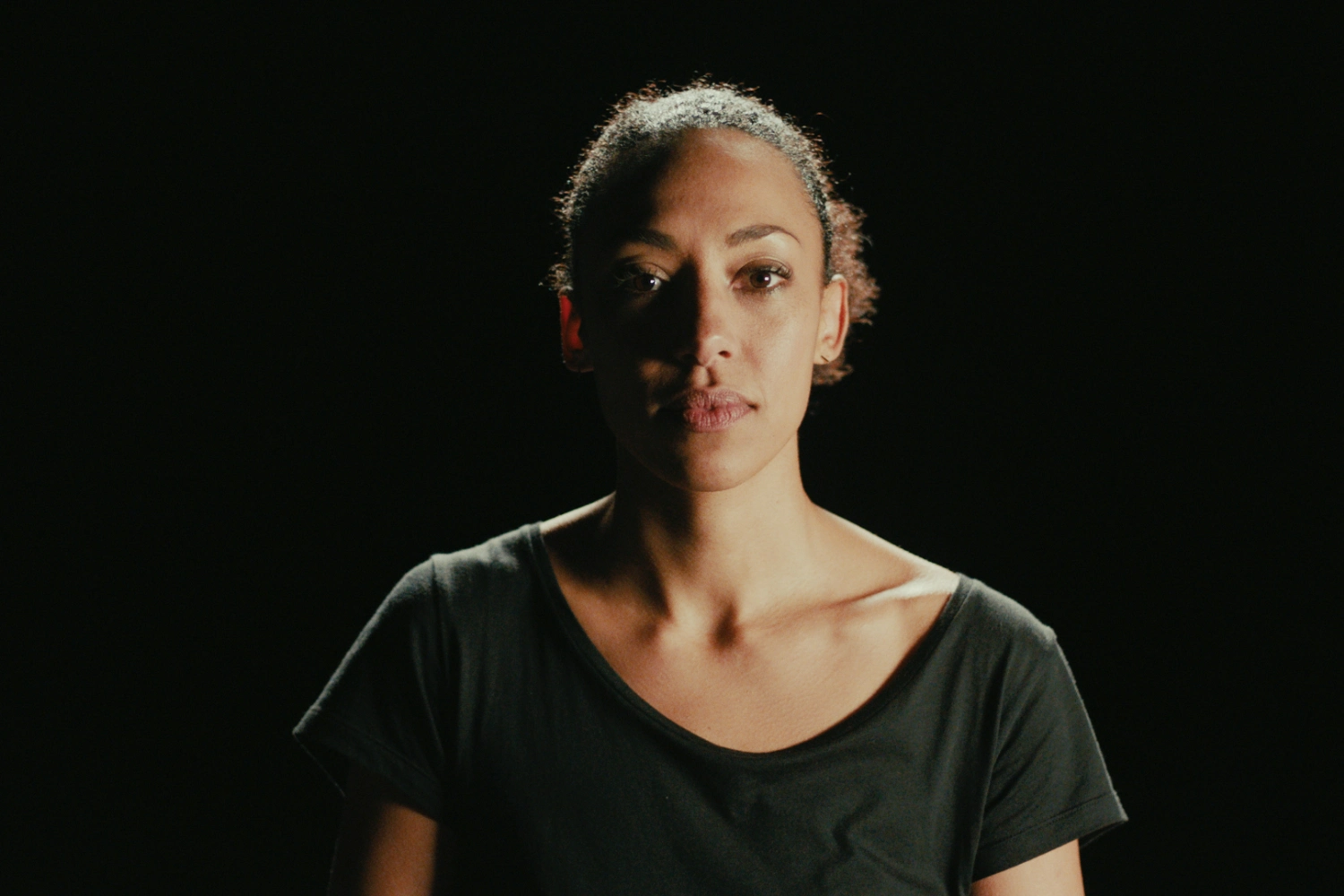
Shot in black and white, the short film used a raw, cinematic aesthetic, combining anamorphic lenses, film grain and dark environments. The visual approach gave the film a direct, uncompromising tone suited to the subject.
The final piece was shown to adidas’ global workforce and introduced by the CEO. What began as an external campaign became an internal statement. The shift allowed the work to address a sensitive subject in a context the organisation was prepared to engage with, while preserving the strength of the original creative idea.
Disciplines
Creative Strategy
Concept Development
Creative Direction
Stakeholder Alignment
Post-production Supervision
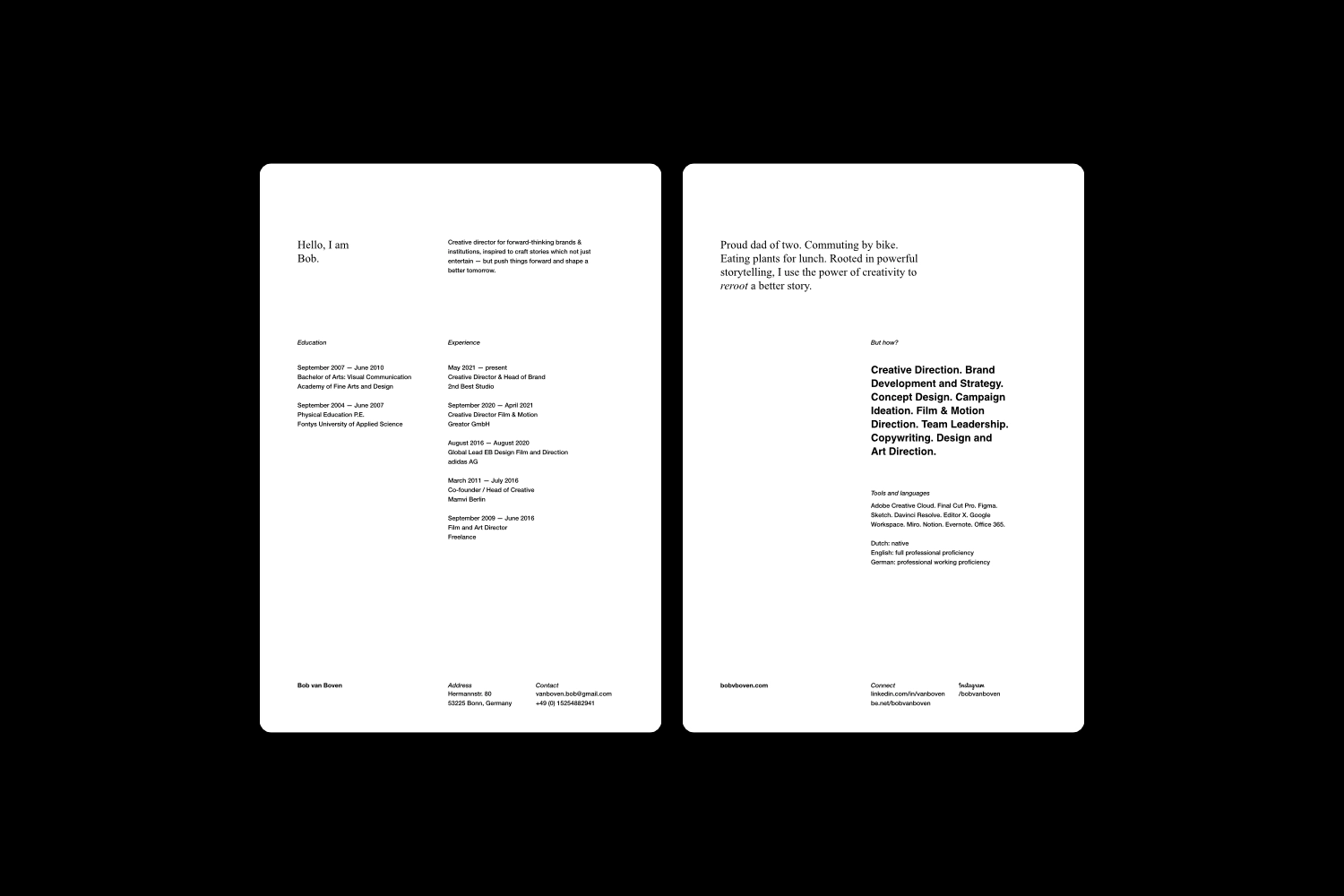
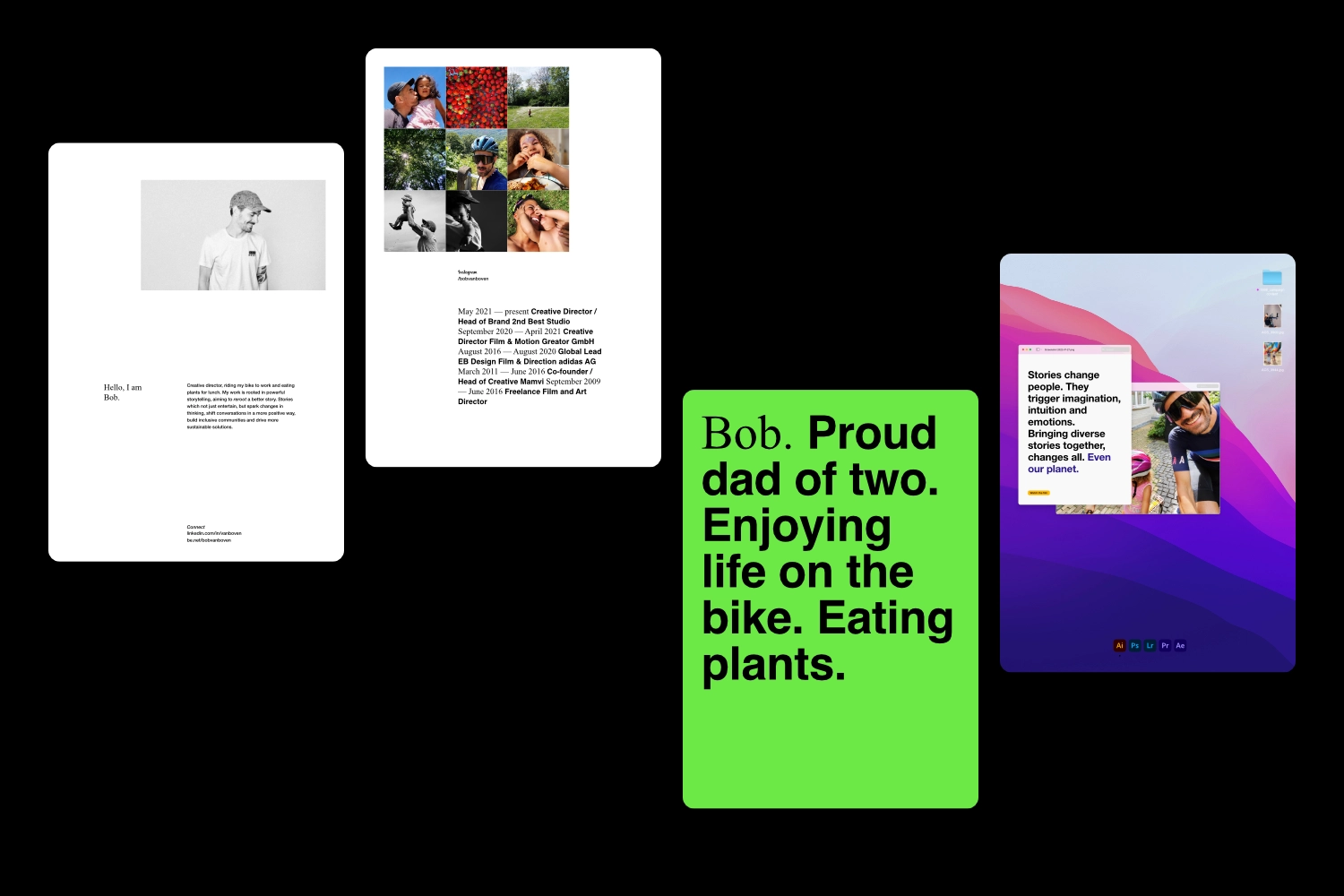
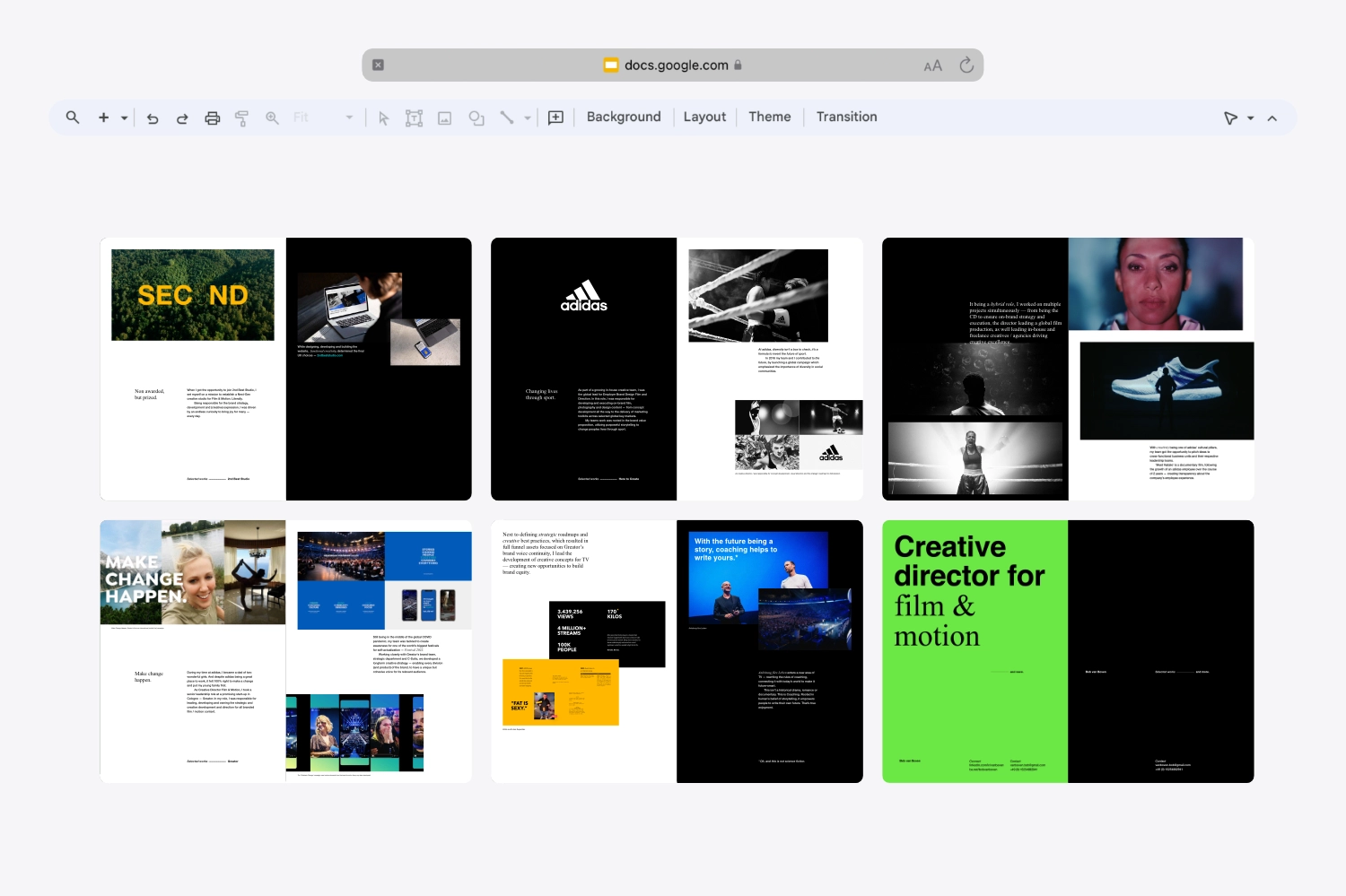
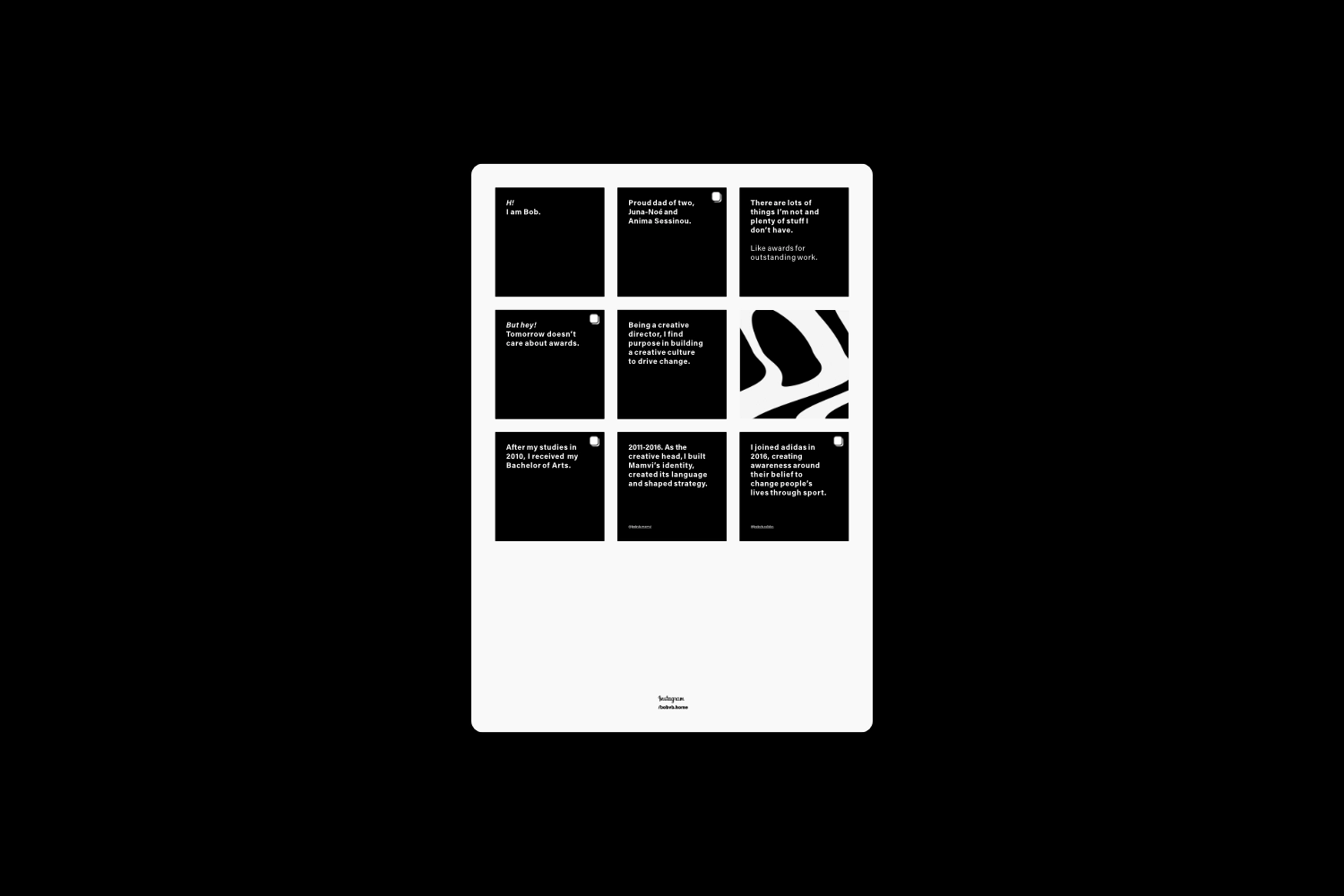
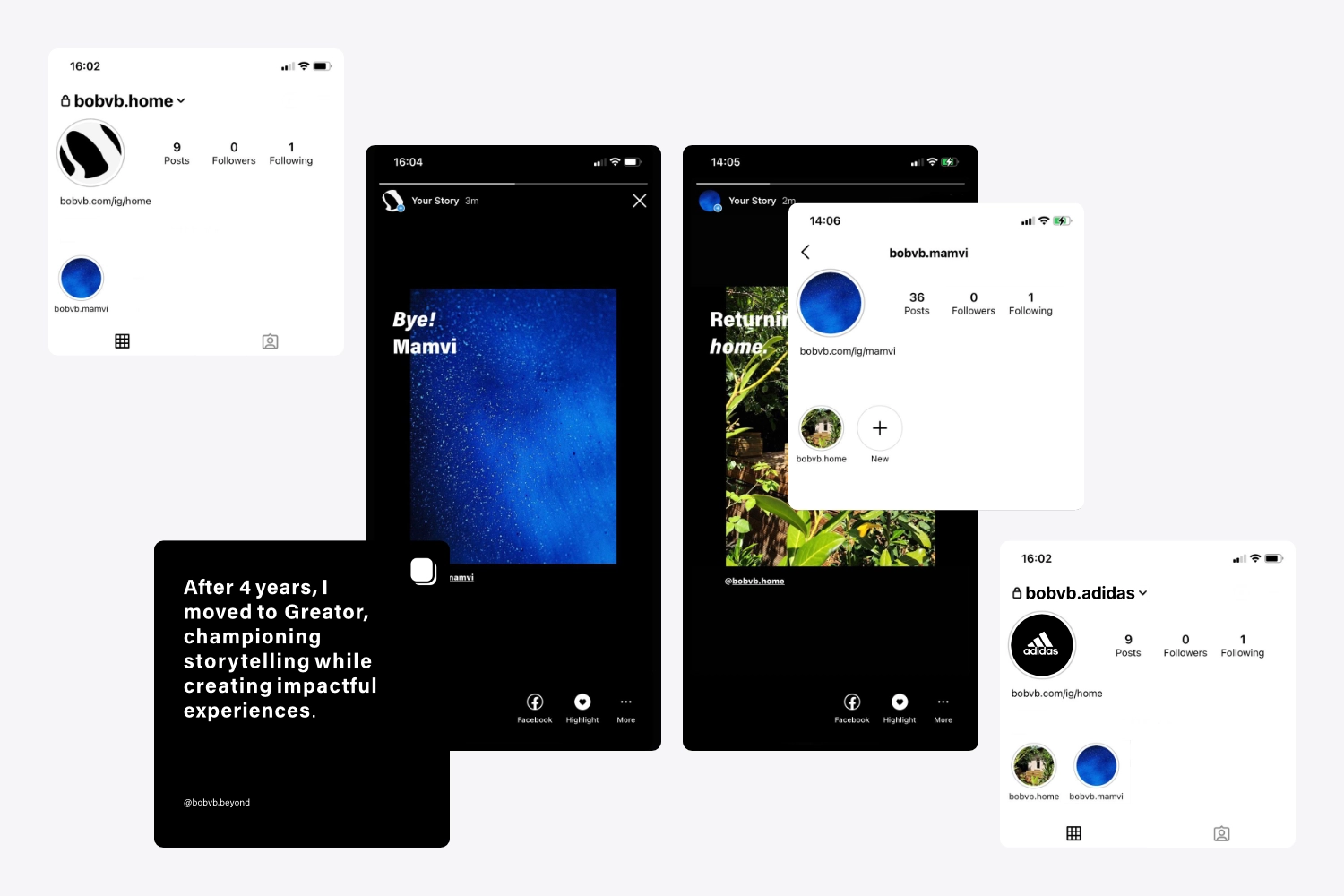
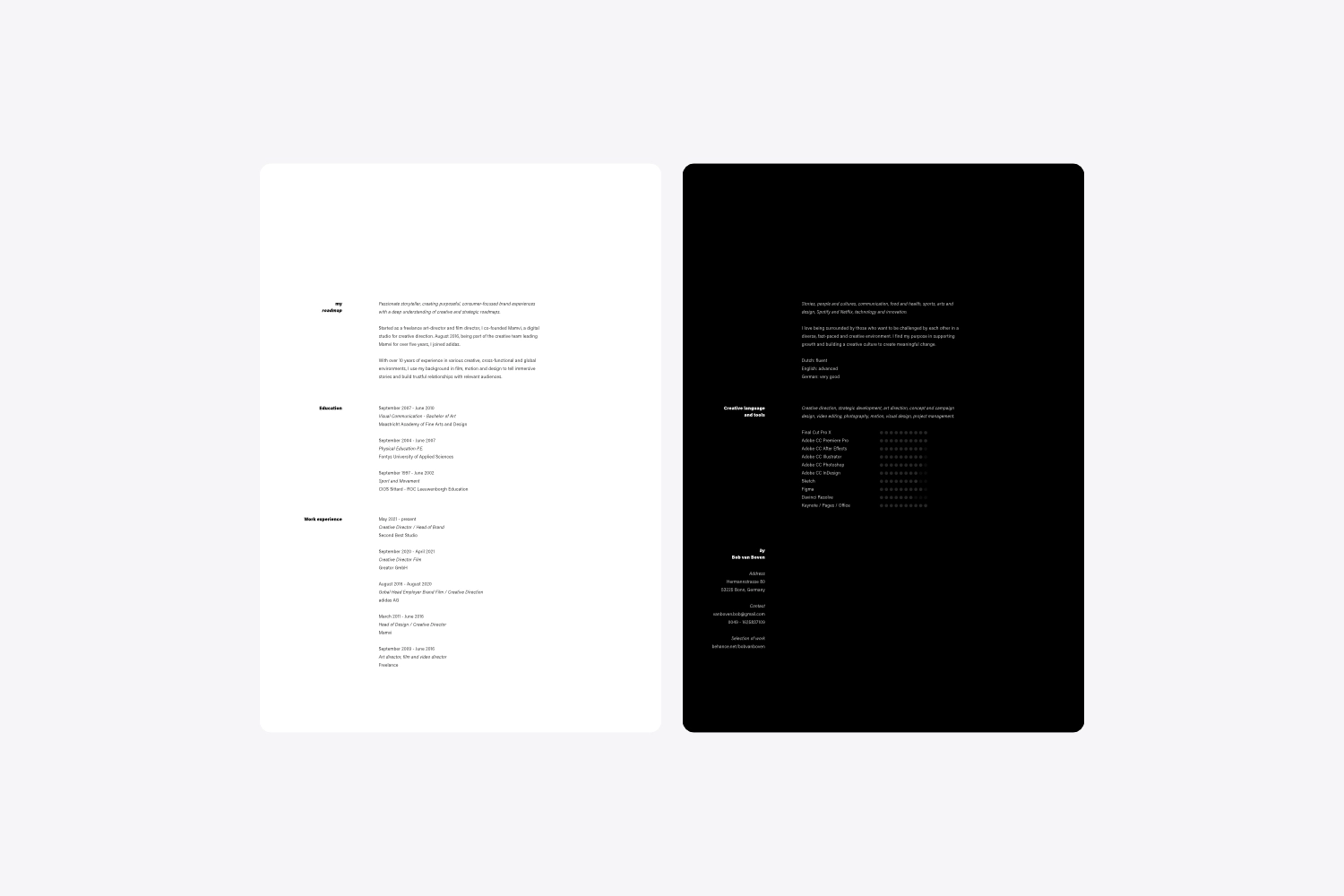
Over fifteen years, bobvb.com became a space for evolving and redefining my creative position. Personal identities, portfolios, showreels and visual expressions changed alongside the practice, reflecting a gradual shift from art direction and film towards narrative, strategy, creative systems and agency.
Years
2023–2025
Role
Full-time parenting/
Volunteer for branding & direction
Disciplines
Strategic reflection
Narrative strategy
Creative direction
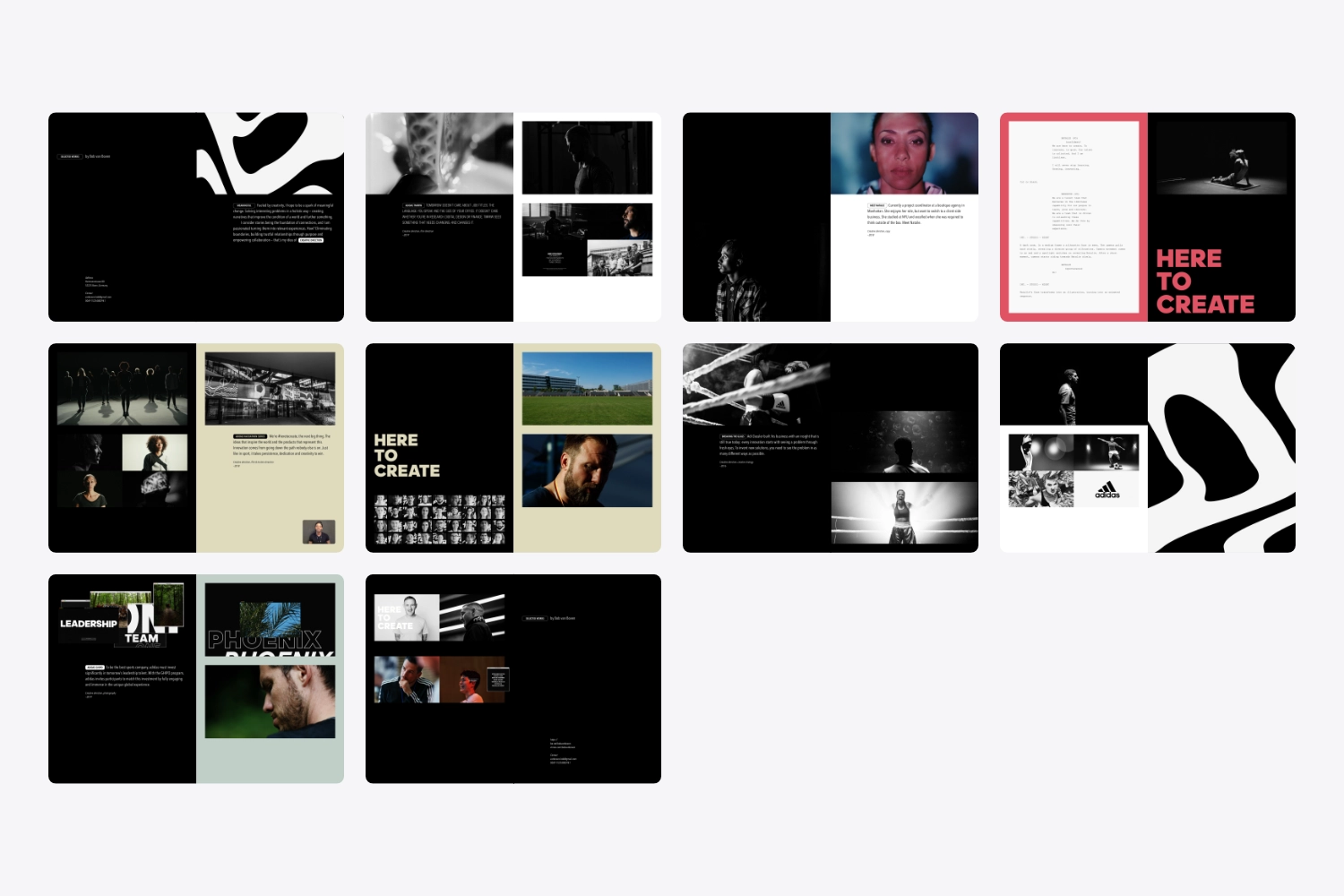
Credits
Design and direction
Bob van Boven
Thanks
Jessica Sessinou, Mario Possen, Nick Smith, Carmen Díaz de la Rosa, Sandra Blank, Bülent Aktas
♡
Juna & Anima
Project info
Across fifteen years, bobvb.com changed alongside the practice it represented. What began as a personal portfolio for freelance art direction and film became an evolving space for testing different identities, positions, visual languages and ways of working.
Each iteration responded to a different moment in the practice. Freelance work developed into the co-founding of Mamvi Studio, followed by global in-house experience at adidas and Greator, and later a return to independent practice. Along the way, the role of creative direction expanded from making and directing individual pieces of work towards shaping narratives, brands, systems and new forms of creative practice.
Personal positioning became a way of exploring those shifts. Portfolios, showreels, websites and identities were repeatedly rebuilt as the questions around the work changed. What did I want to make? What role did I want to play? How could creative direction extend beyond execution into strategy, narrative and the conditions around the work?
This ongoing process eventually opened up new directions through New Creativity, Studio, FUTURESCRIPT and the wider bobvb ecosystem. The practice changed considerably over time, but the way of moving an idea from intention into expression remains a constant: finding the underlying idea, shaping the narrative, giving it creative form, bringing people around it, and translating it across mediums and contexts.
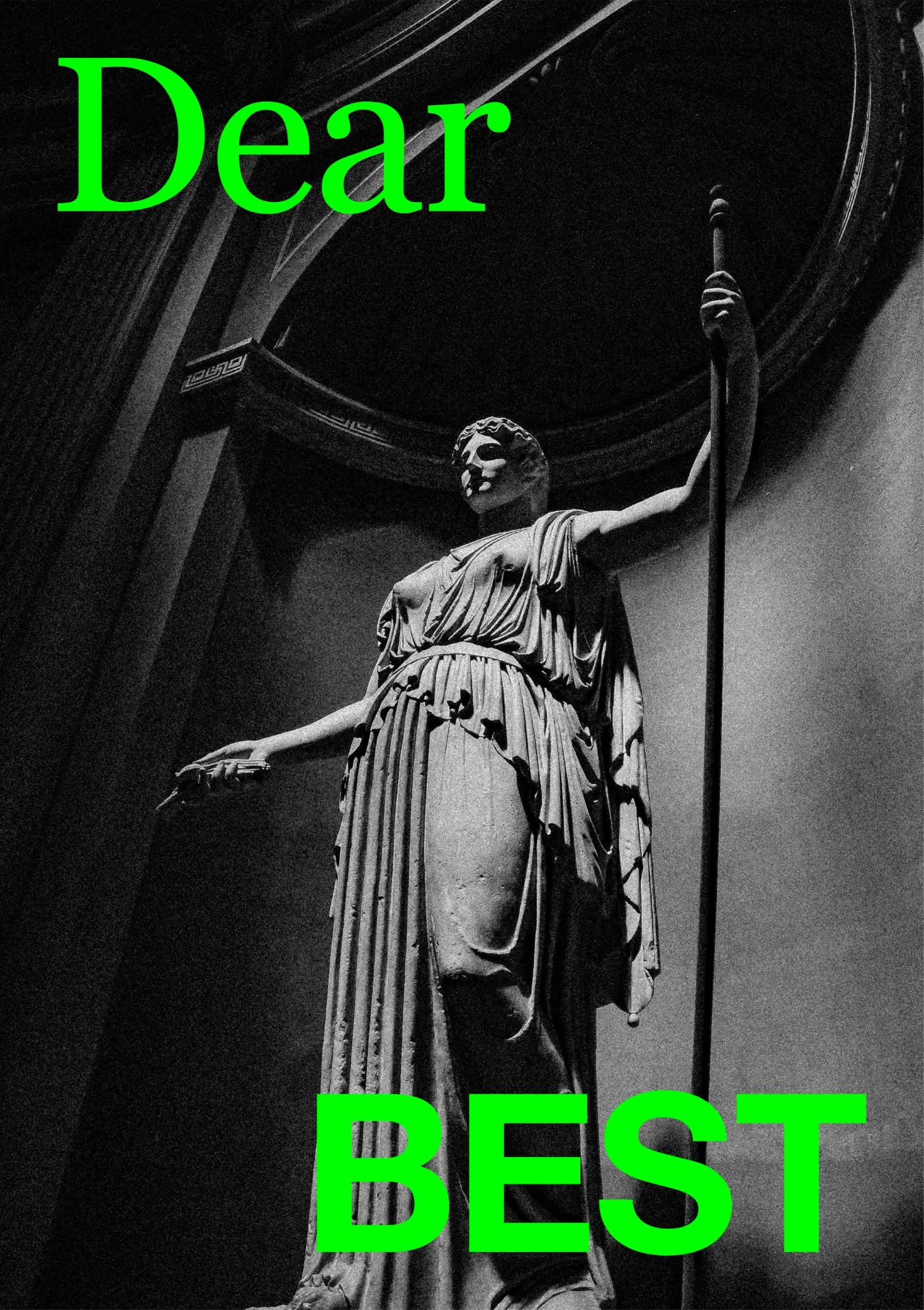
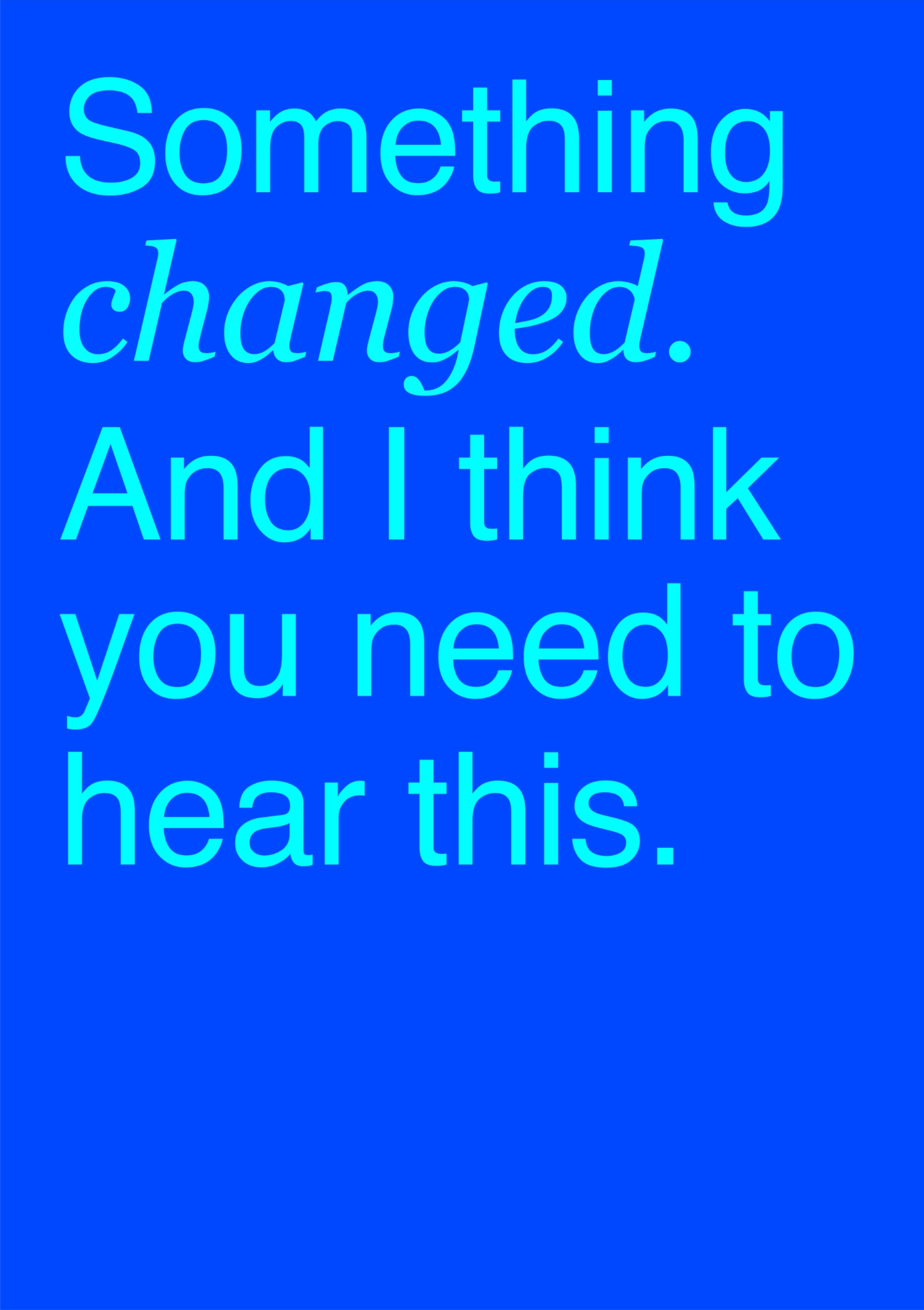
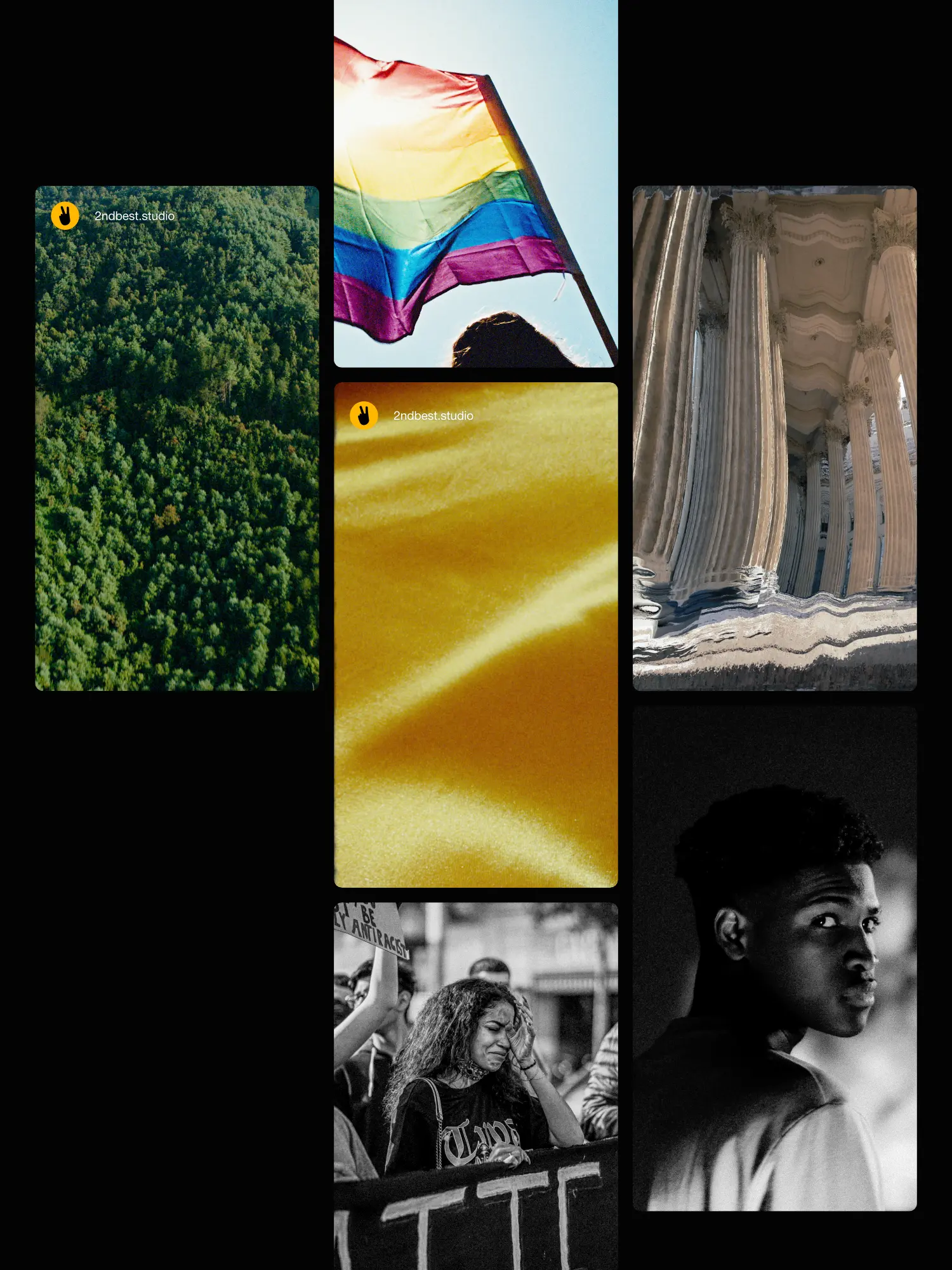
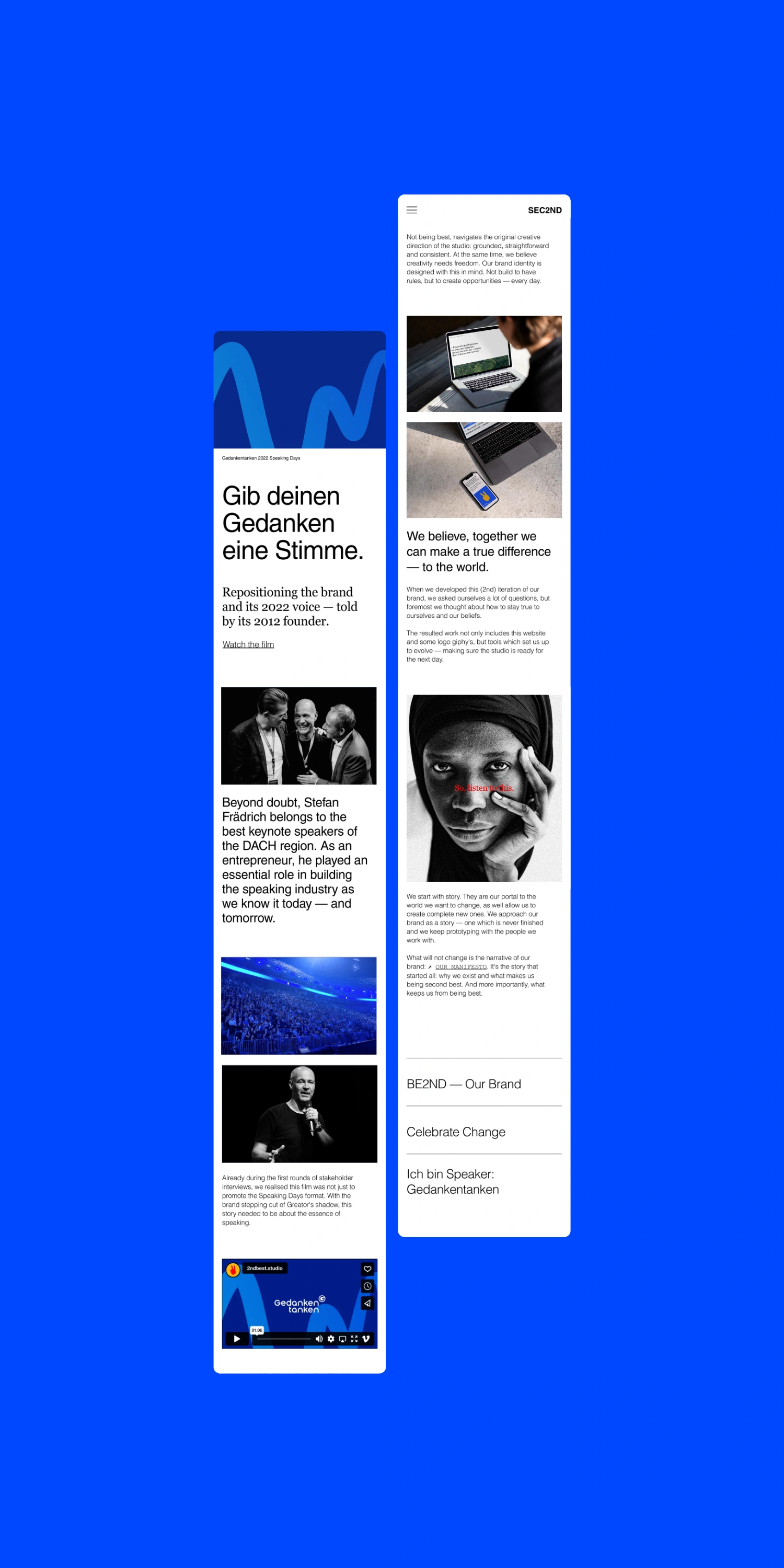
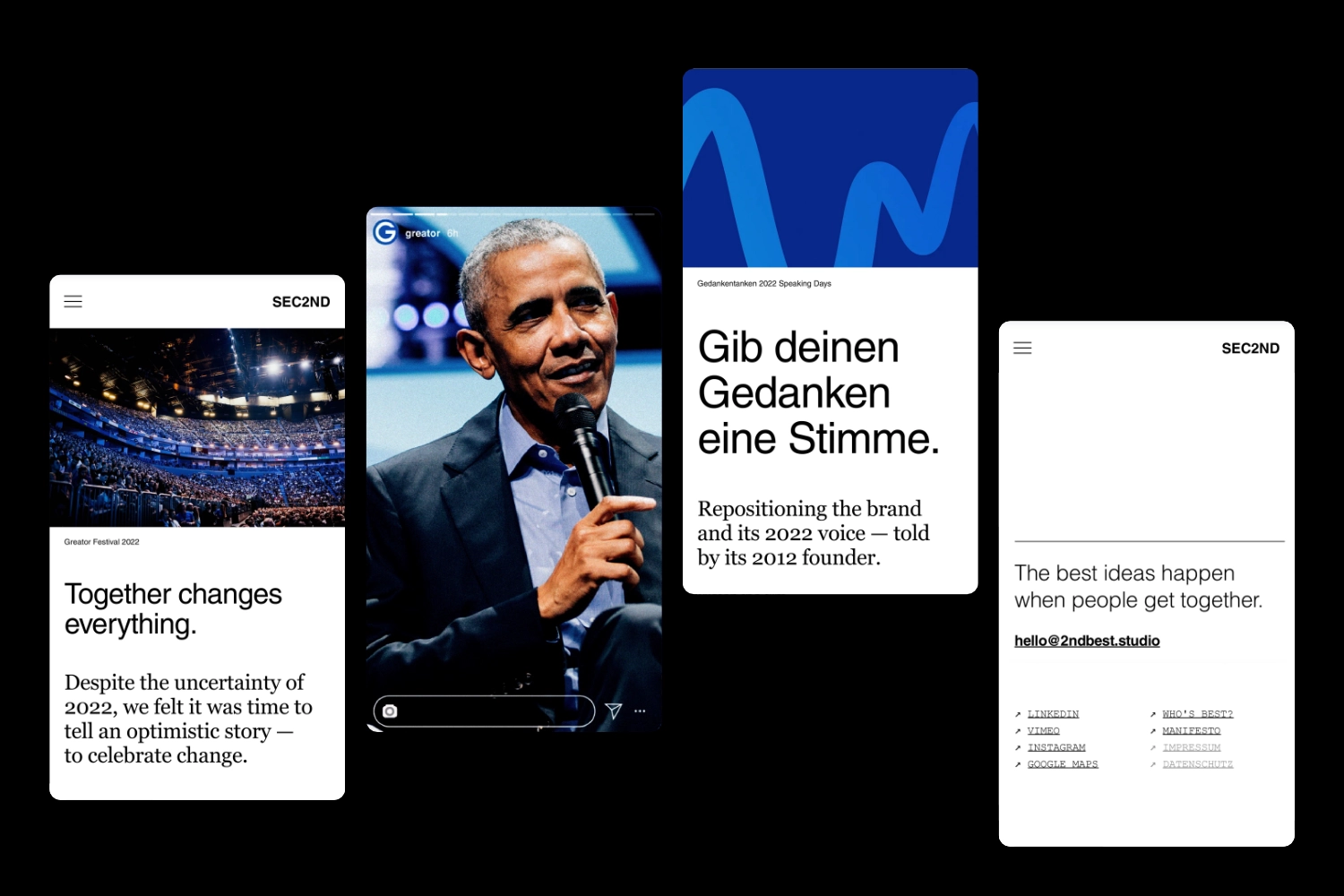
This chapter explored how creative vision operates inside an organization—shaping culture, guiding decisions, and aligning daily practice with long-term intent. Creative direction evolved into a shared language for how the studio thought, worked, and showed up in the world. 2nd Best Studio became a proving ground for purpose-driven creative leadership.
Years
2021–2022
Role
Executive Creative Director
Disciplines
Brand positioning
Narrative strategy
Messaging frameworks
Brand identity and expression
Creative direction
Audience journeys
Visual and verbal systems
New formats and pilotsn

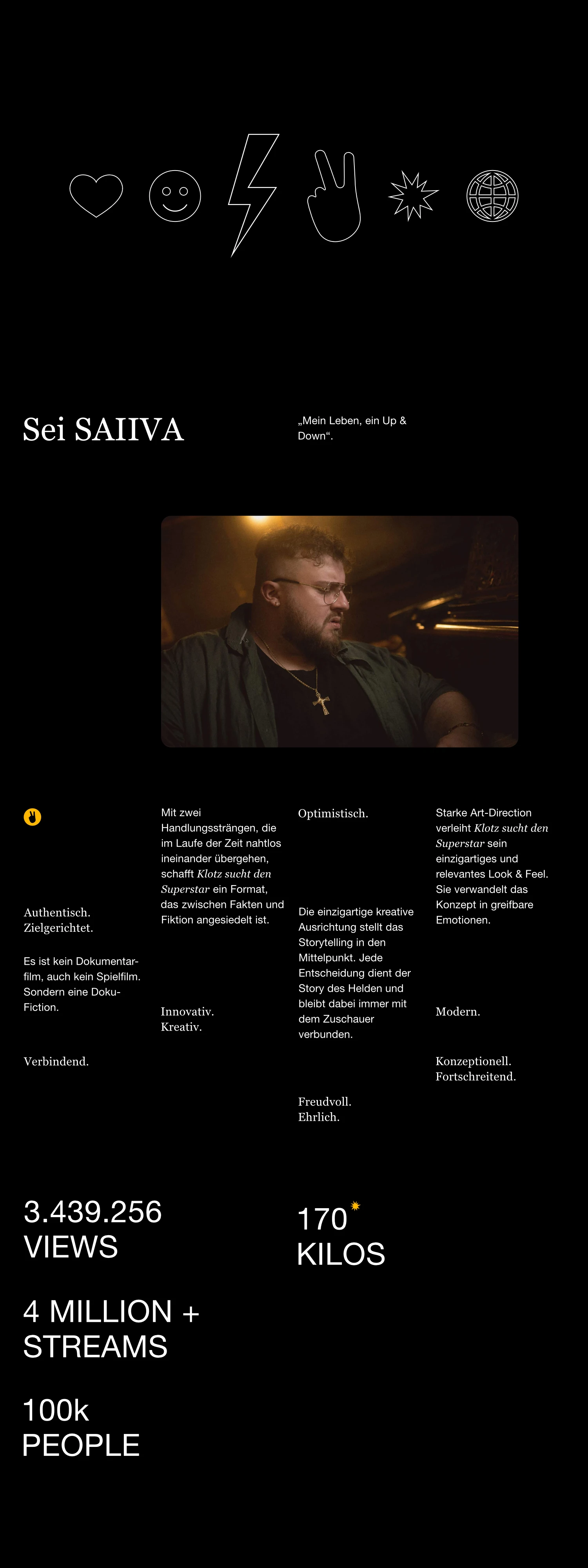
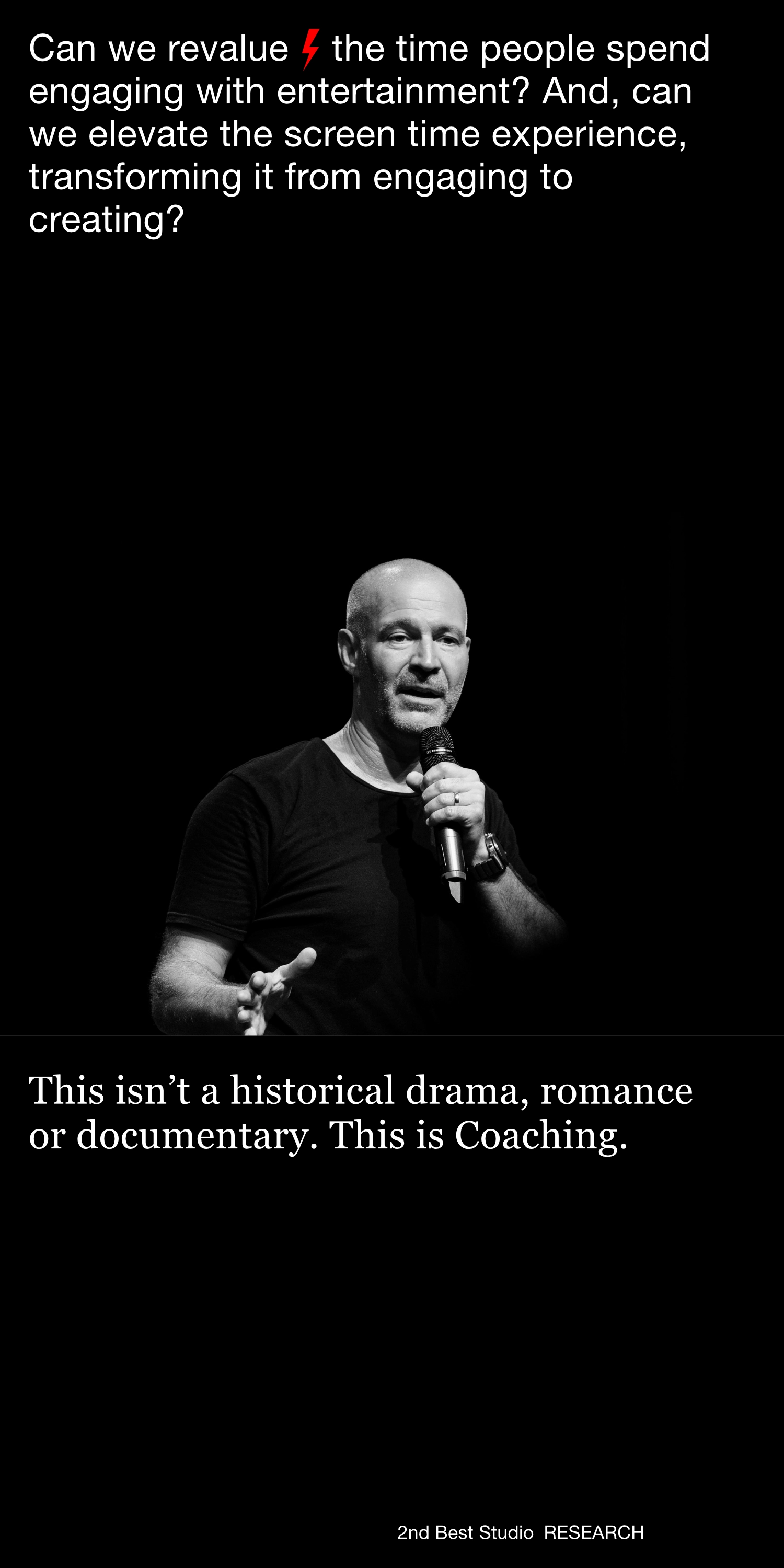
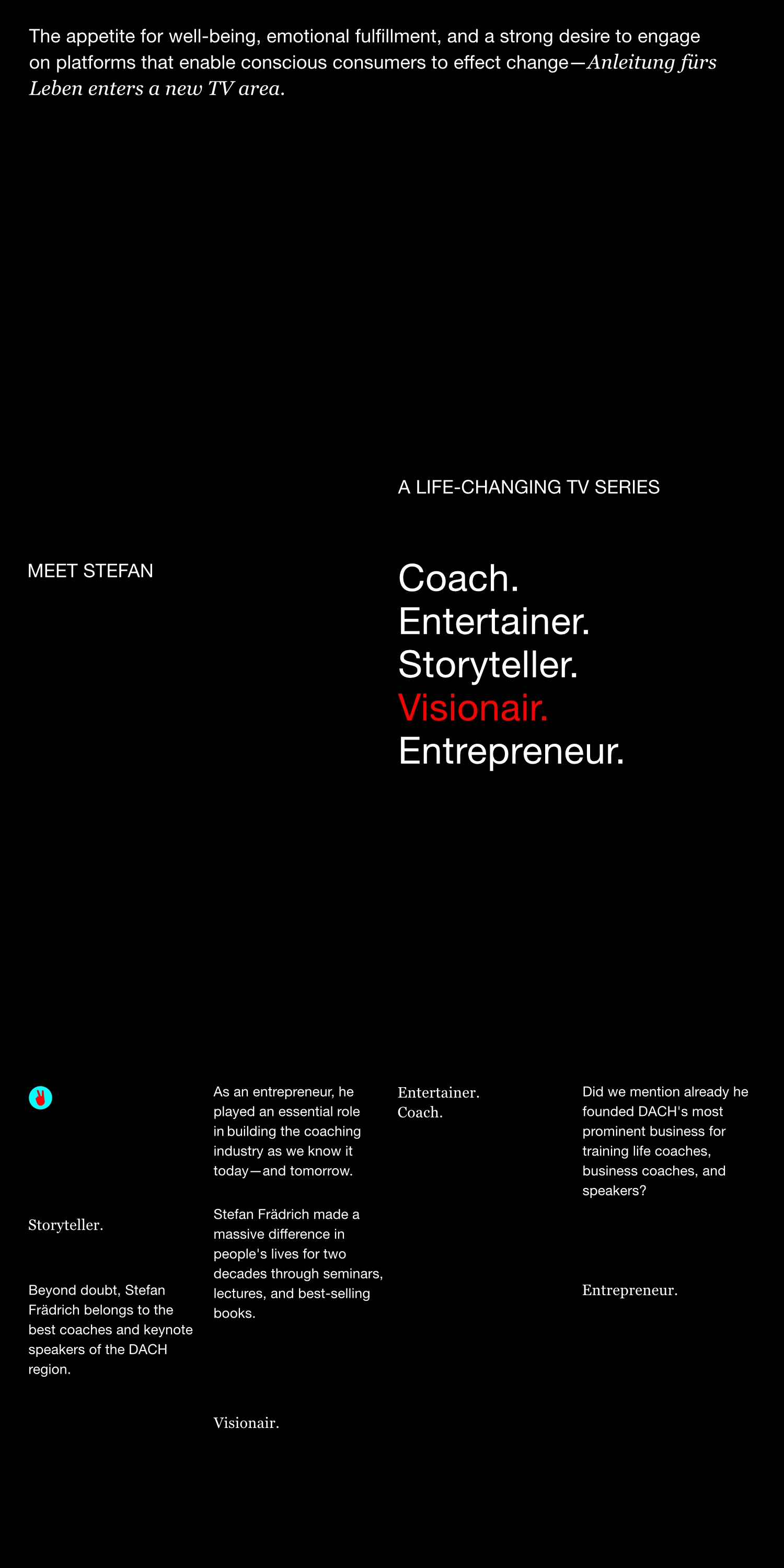
Credits
Brand strategy & creative direction
Bob van Boven
Studio owners
Bülent Aktas, Marcel Aniol
Branding and expression (art & copy)
Bob van Boven
Webdesign and development
Bob van Boven
With
Jessica Lichtenberg, Devrim Aktas
Thanks
Carmen Díaz de la Rosa, Nick Smith, Gary Payn
Project info
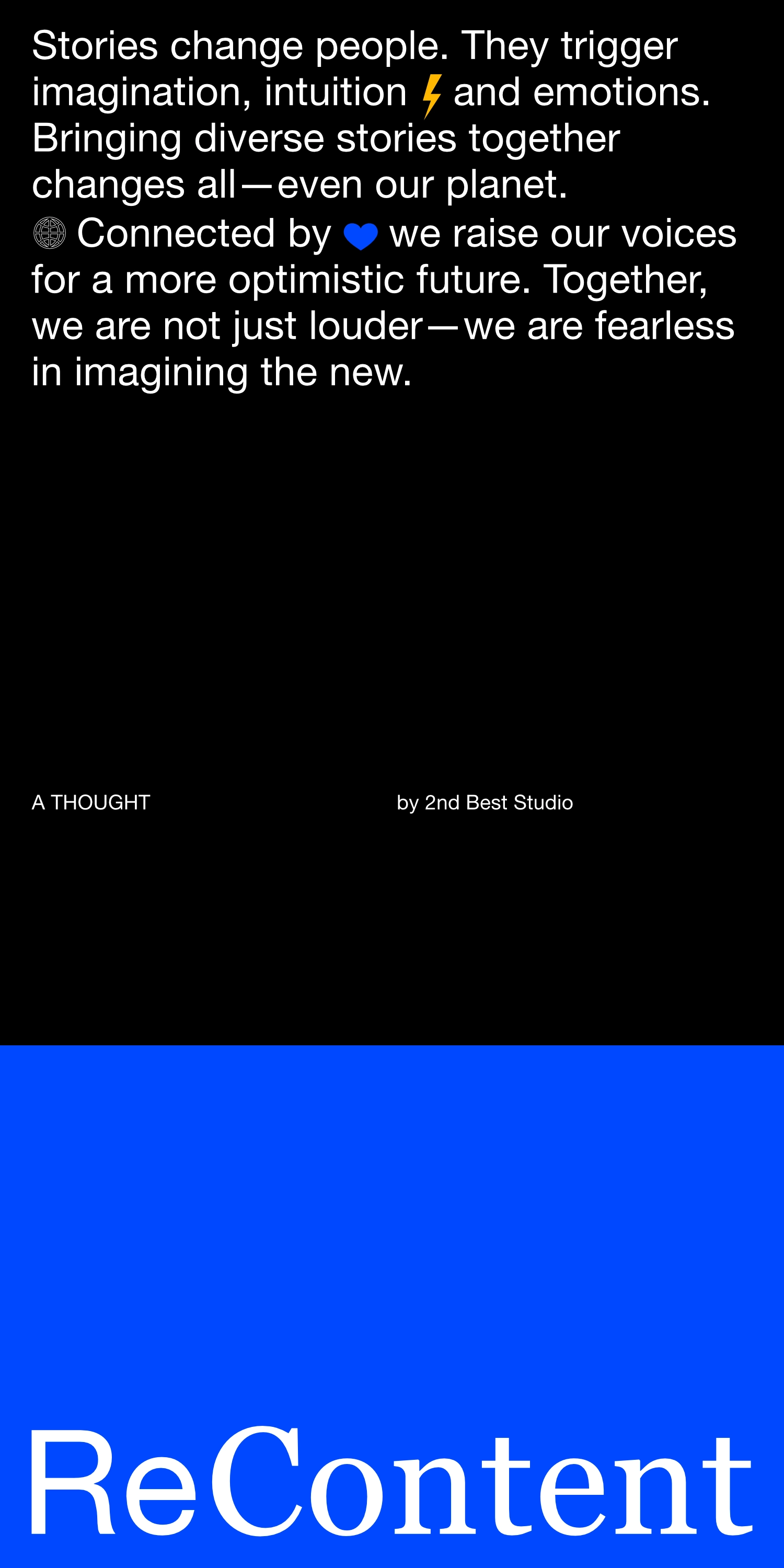
2nd Best Studio required more than a strong identity. It called for a strategic foundation that could hold ambition, experimentation, and growth at the same time. The work focused on translating the studio’s values into a system that informed both creative output and internal rhythm.
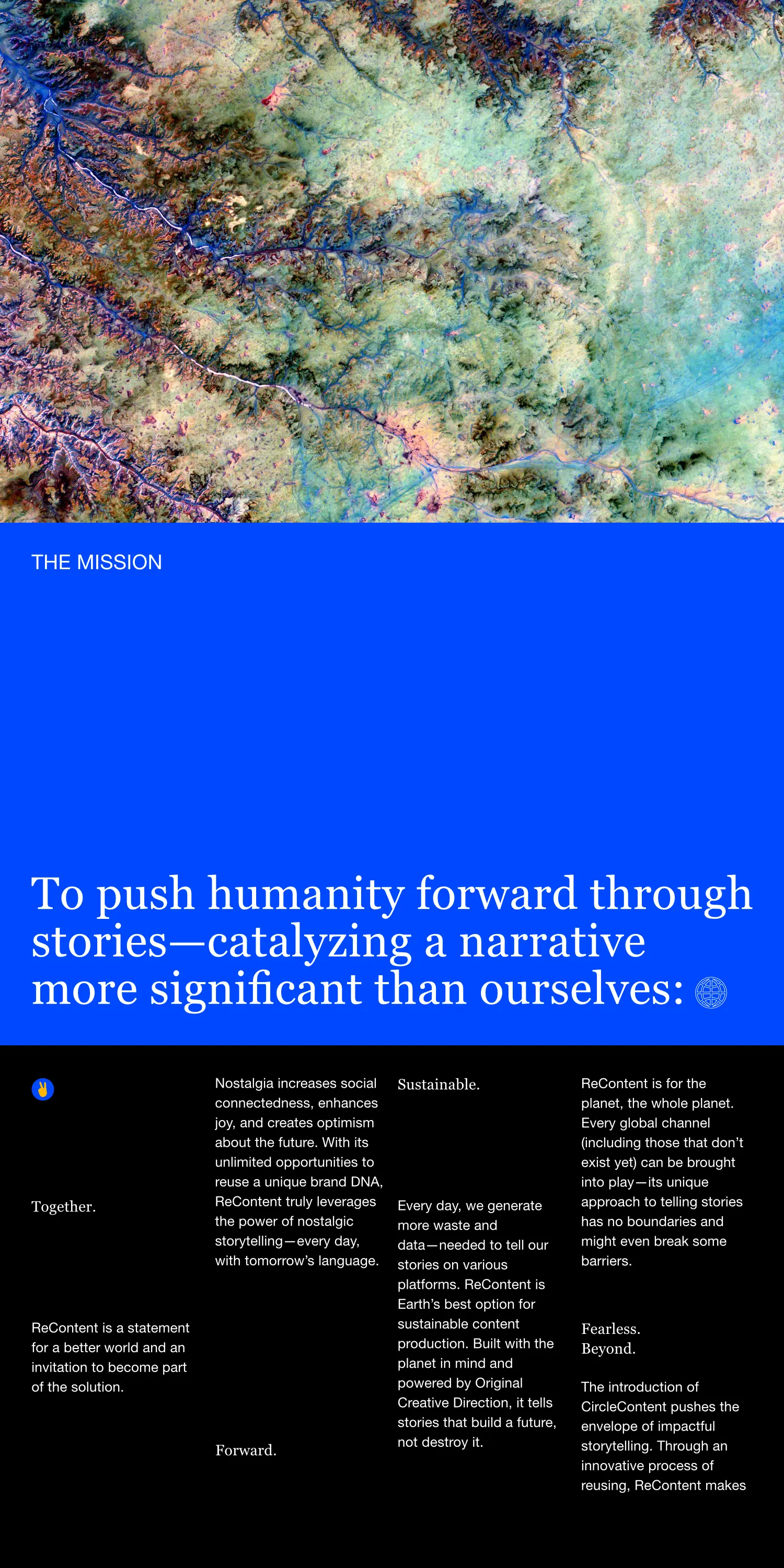
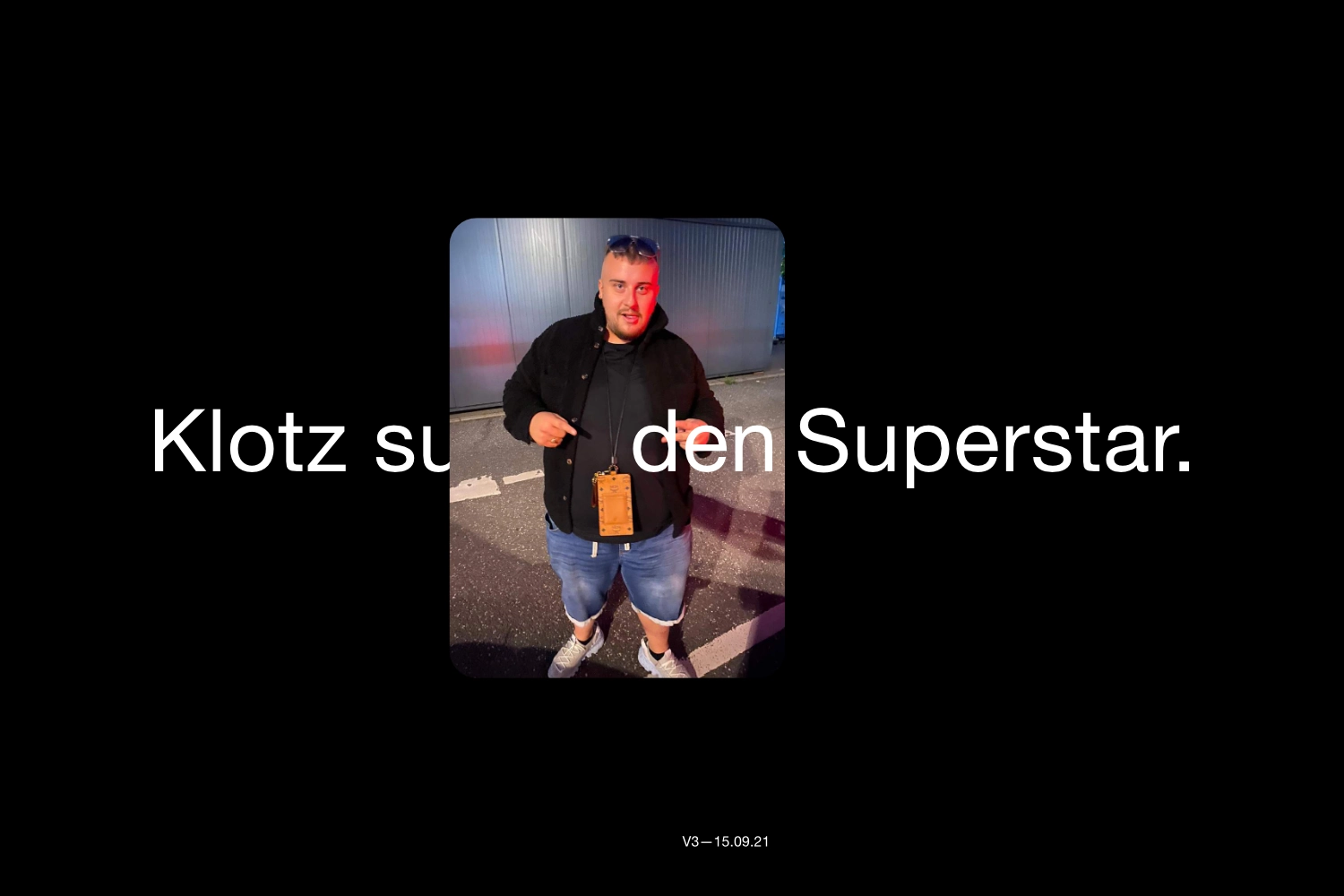
As Executive Creative Director/Head of Studio, I developed a unified strategic vision that embedded purpose into creative operations. This included defining positioning, shaping narrative direction, and building a brand system that supported a wide range of work—from cultural projects to NGO collaborations—while remaining coherent and recognizable.
Beyond brand development, the role centered on enabling creative excellence at scale. I led and mentored the creative team, established frameworks for collaboration, and guided projects from concept to delivery across disciplines. Client work, internal initiatives, and self-initiated projects all fed into the same directional logic: clear intent, strong storytelling, and consistency across expression.
The outcome was a studio that operated with alignment and confidence. Creative work became both expressive and strategic, while the underlying systems ensured adaptability. The chapter demonstrated how creative direction can function as infrastructure—supporting growth without diluting identity.
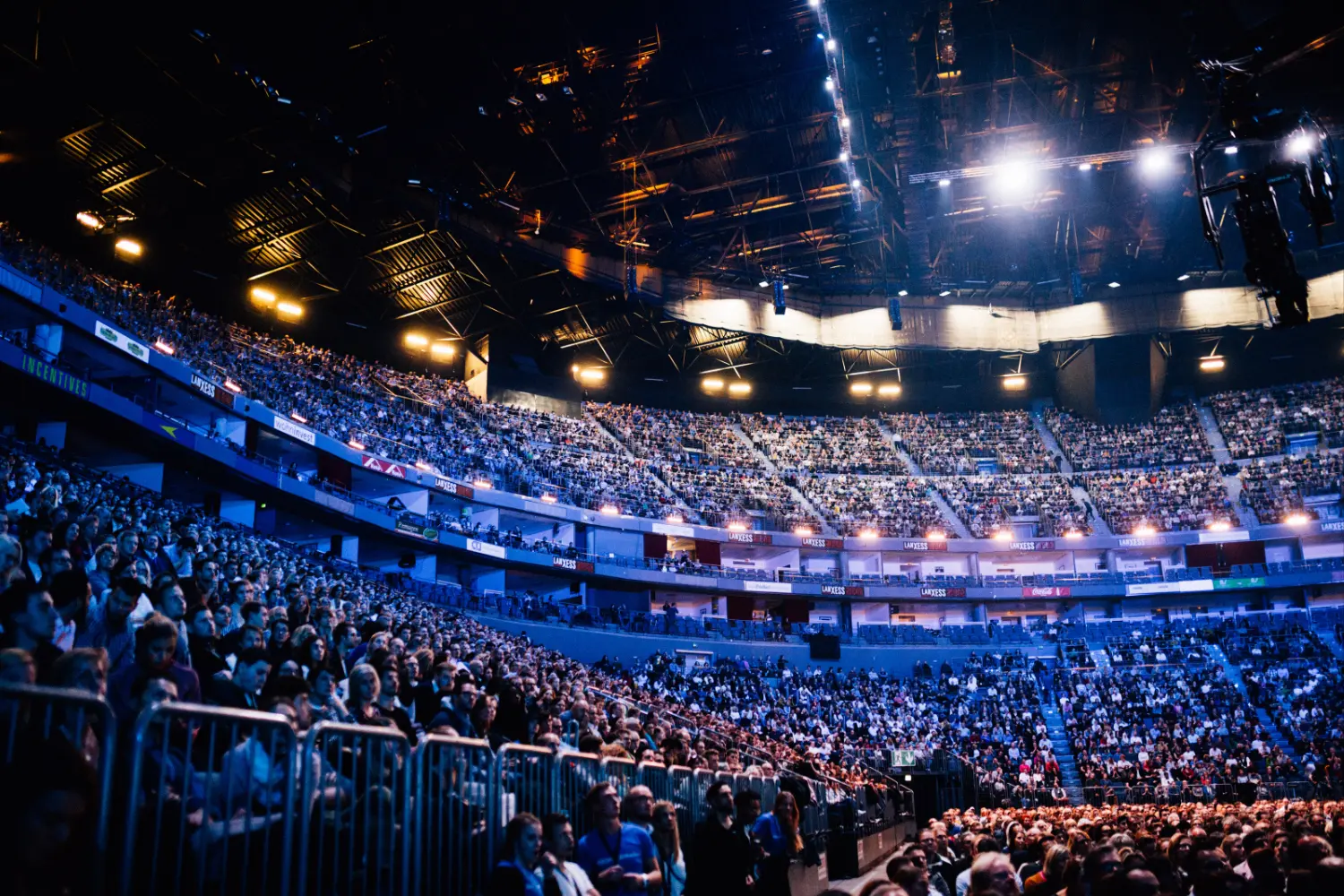
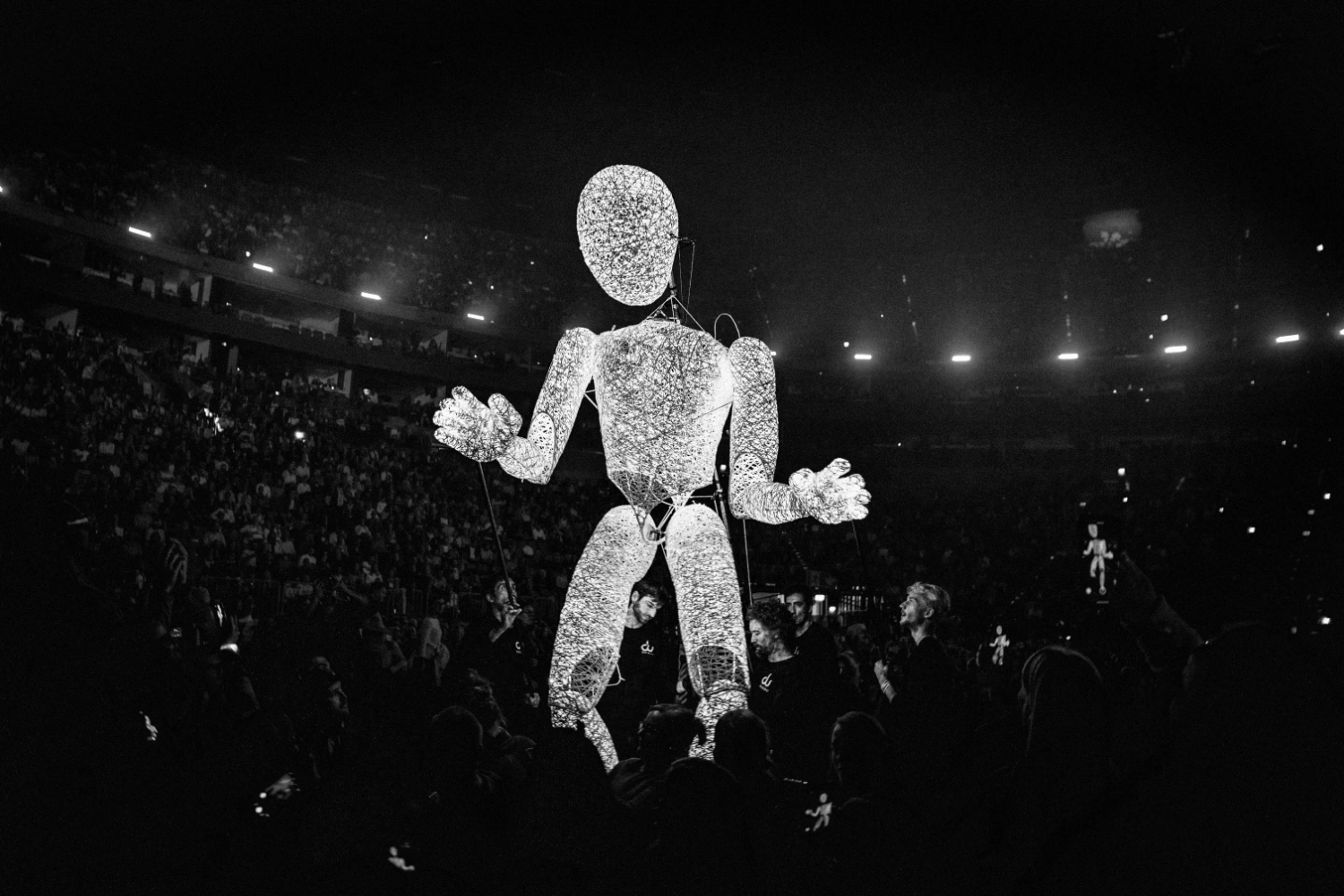
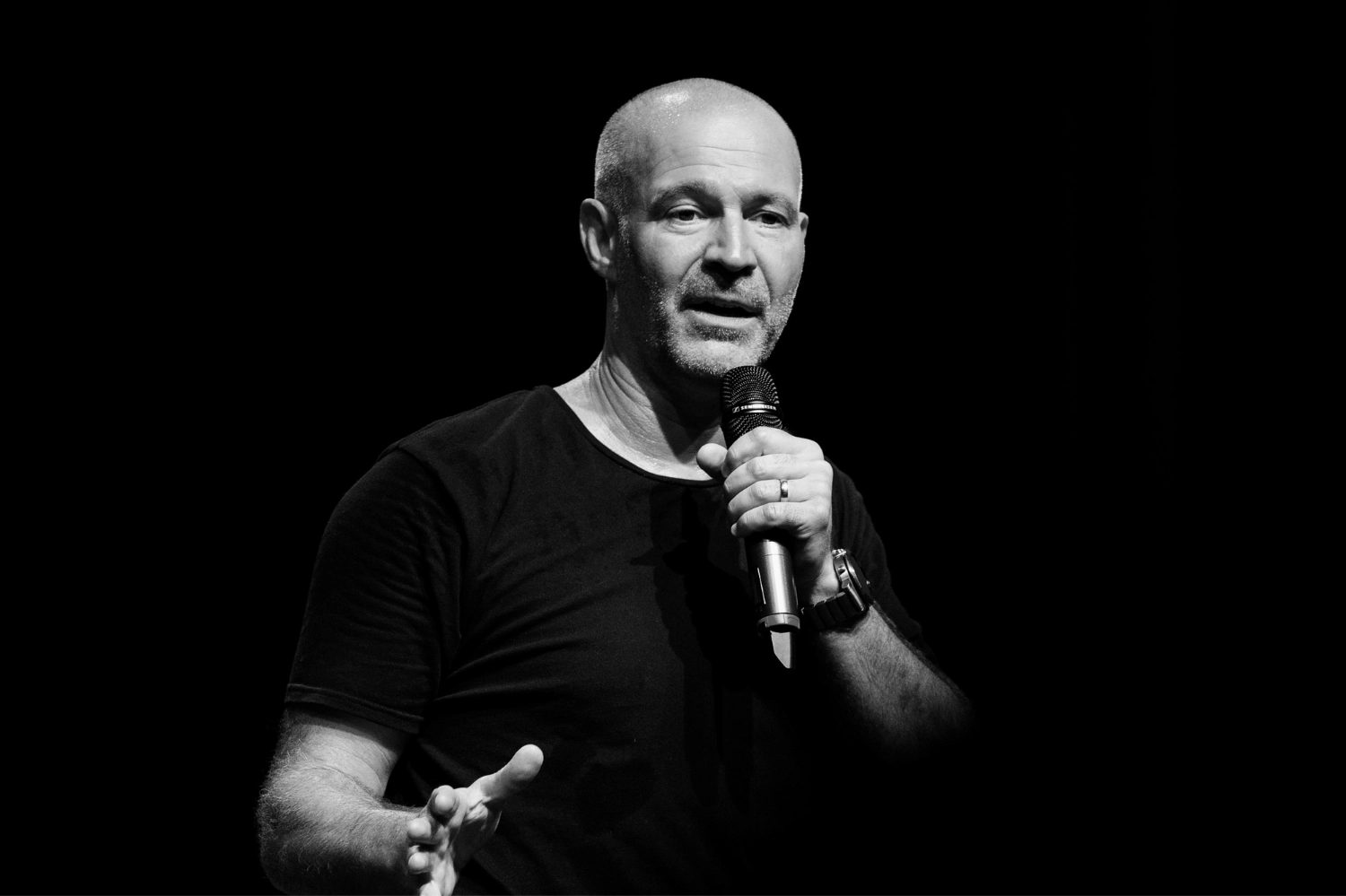
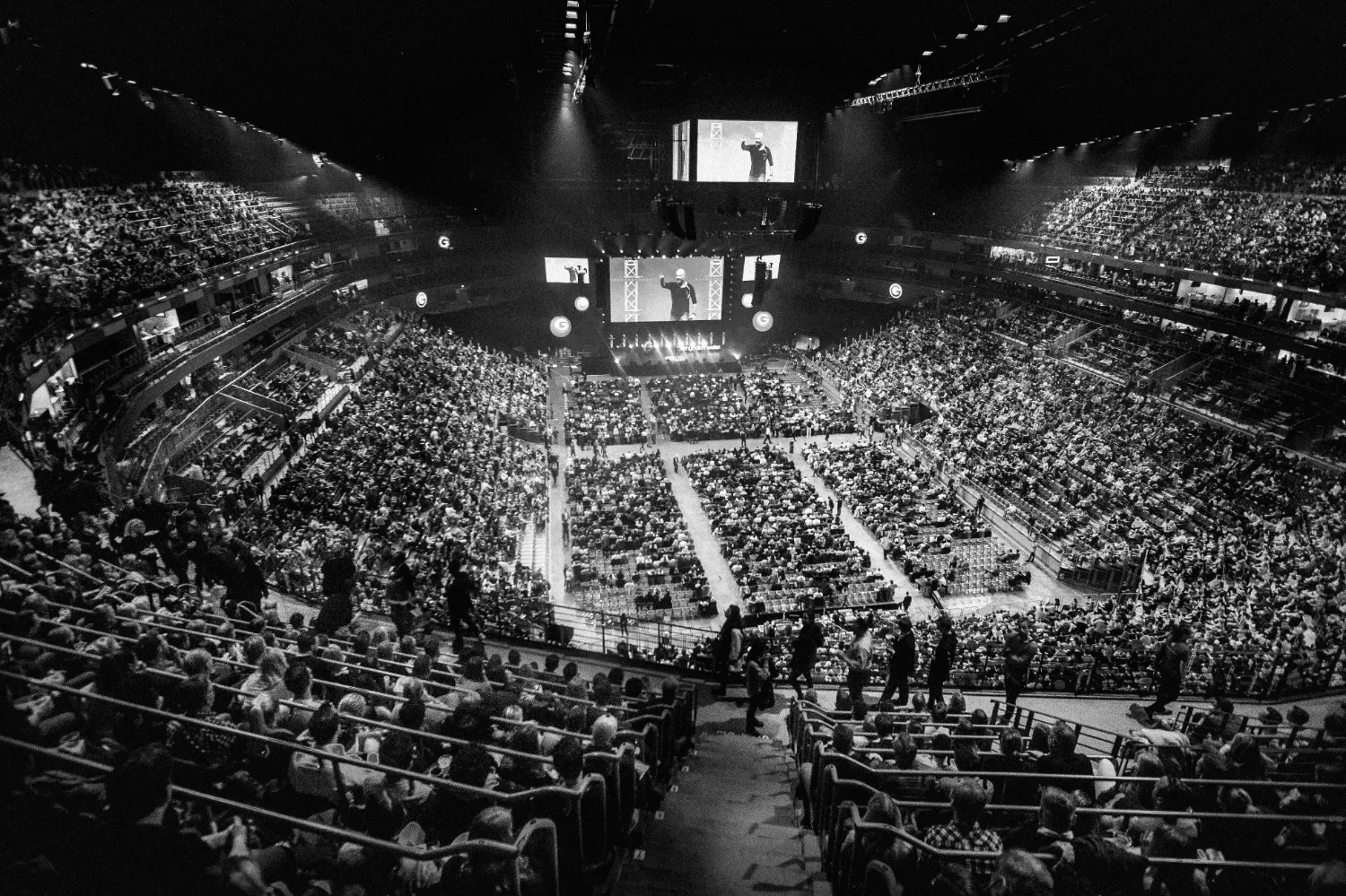
This role introduced scale, pace, and operational complexity. Leading creative direction for film and motion within a fast-moving organization, required alignment across strategy, storytelling, and multiple departments. Narrative work needed to perform across platforms, teams, and business objectives—without losing coherence or depth.
Years
2020–2021
Role
Creative Director Film & Motion
Disciplines
Narrative strategy
Creative direction
Messaging frameworks
Campaign concepts
Interactive storytelling
Art direction and look & feel
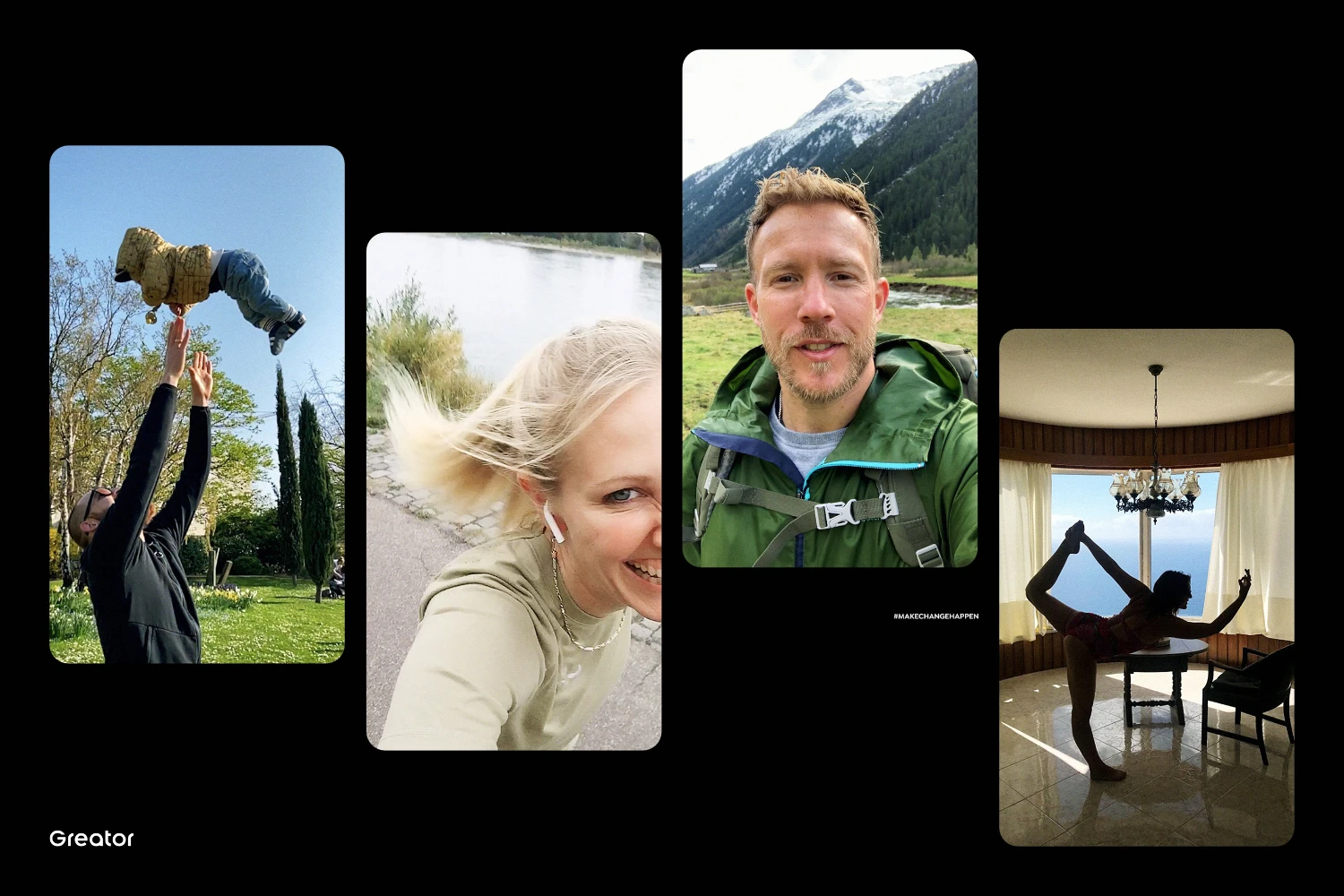
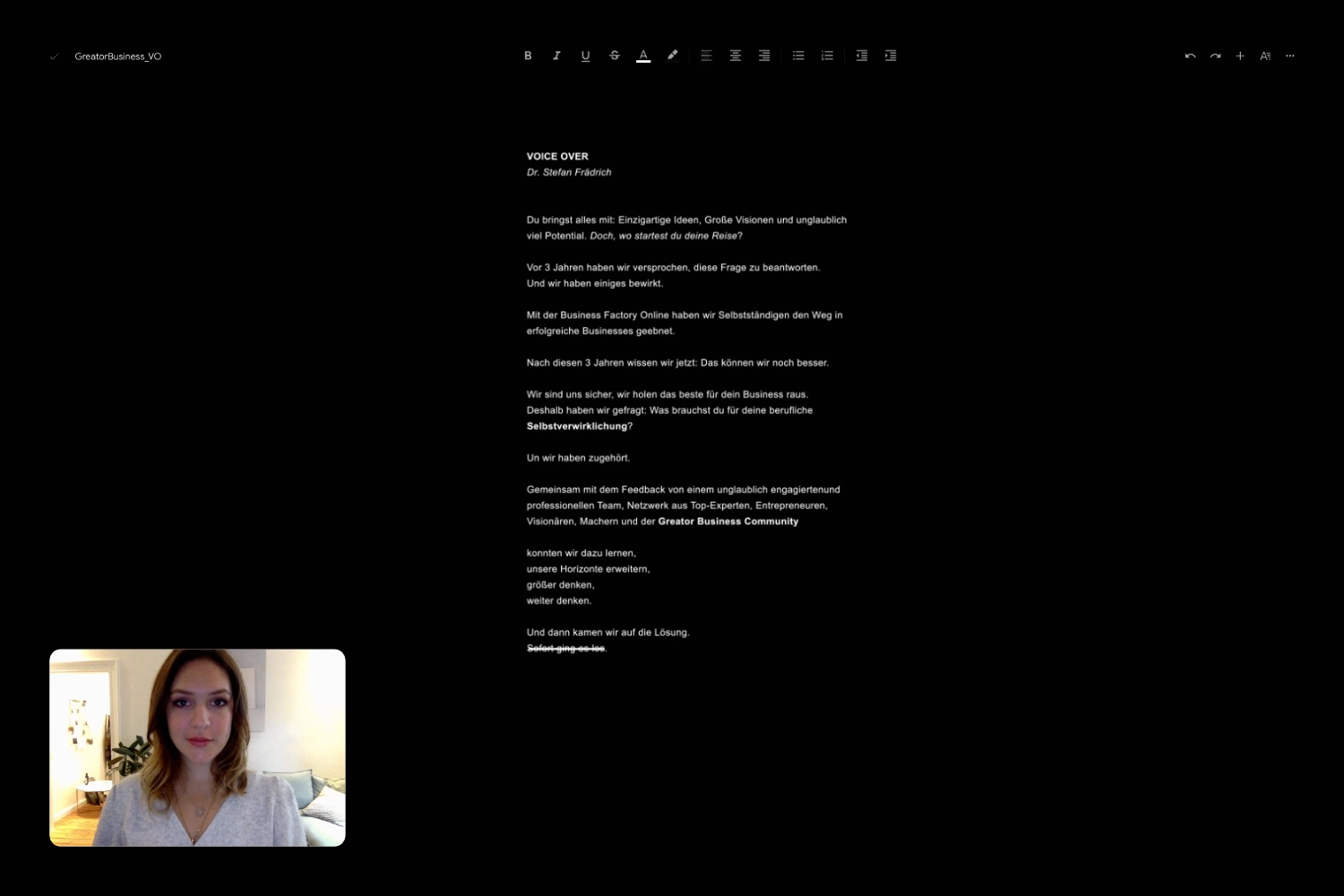
Credits
Greator
Alexander Müller (CEO), Sven Ripper (CMO)
Gedankentanken Pictures
Bülent Aktas (CEO)
With
Marcel Aniol, Carmen Díaz de la Rosa, Nick Smith, Gary Payn, Nina Berzbach, Jessica Lichtenberg, Devrim Aktas
Thanks
Kerstin Müller, Daniel Velkovski, Timm Kloevekorn, Christian Balke, Dennis L. Wilson, Stefan Frädrich
Project info
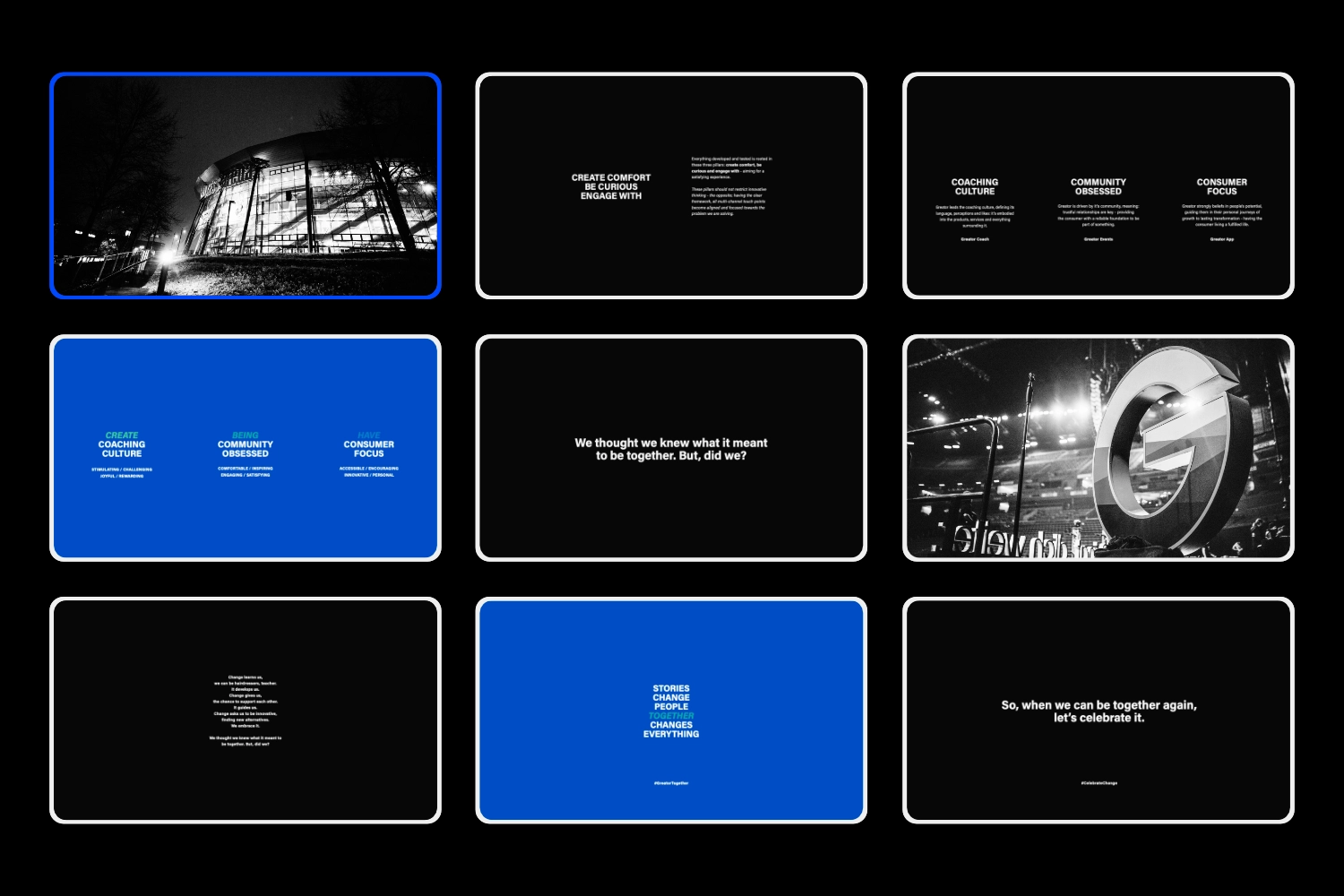
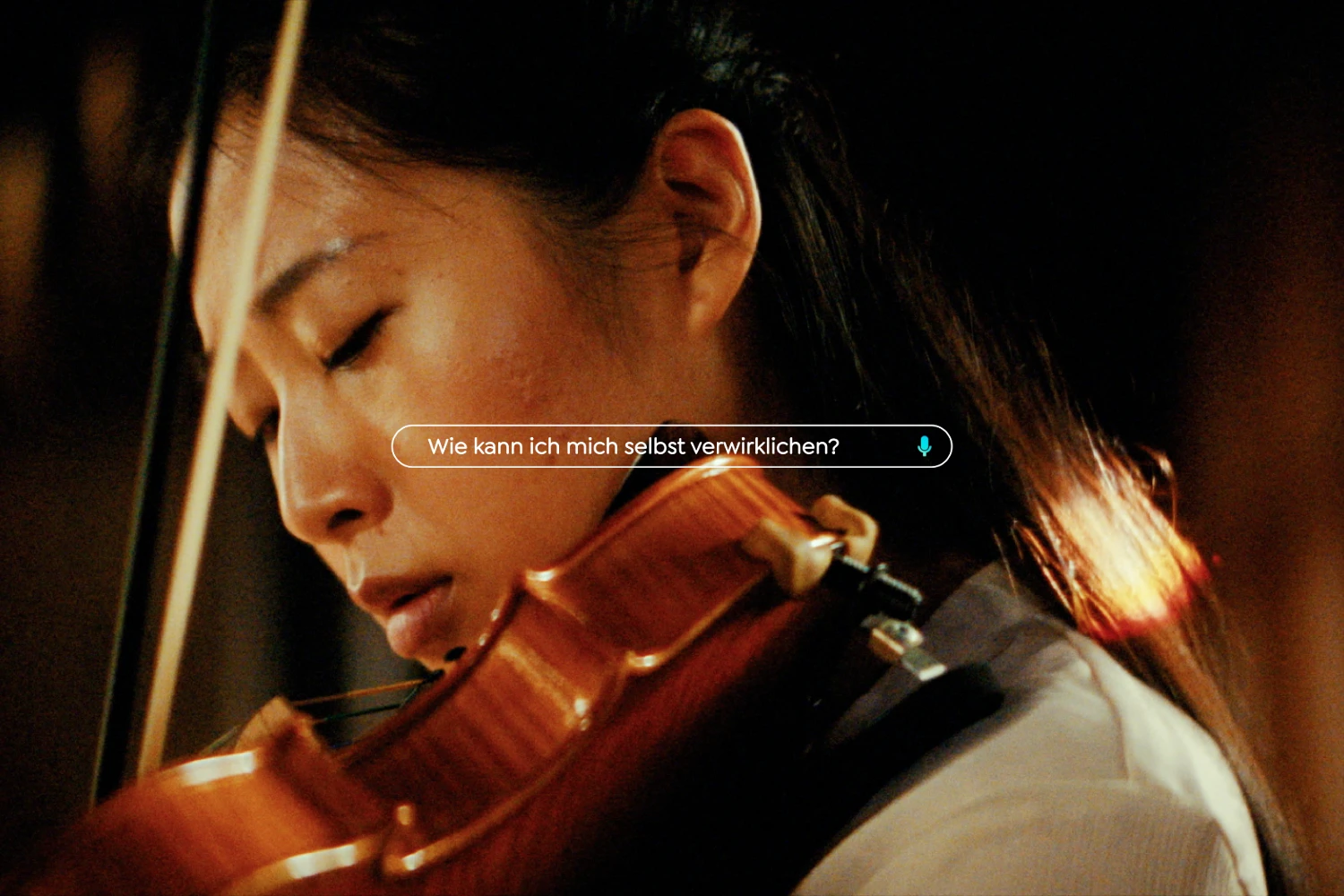
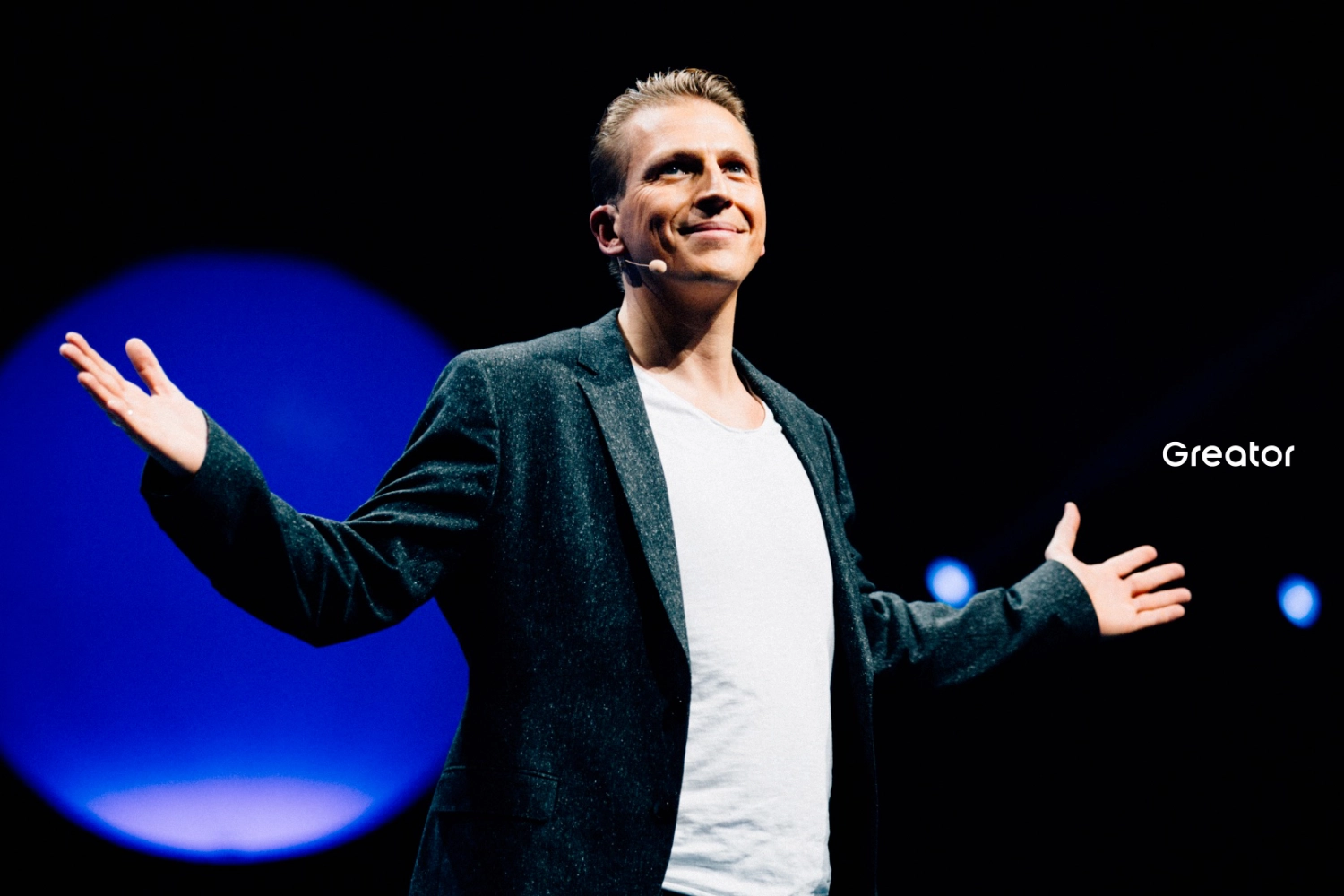
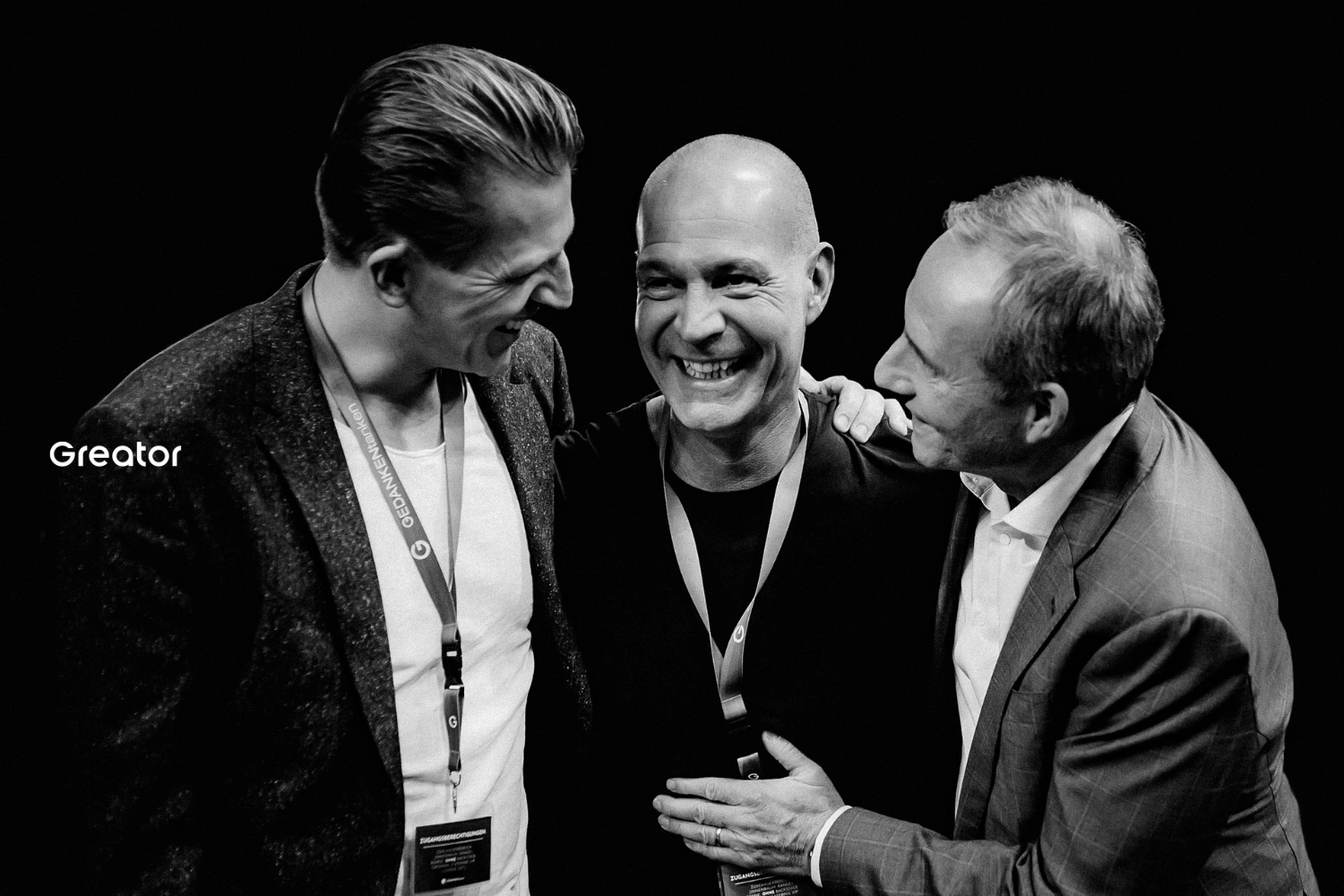
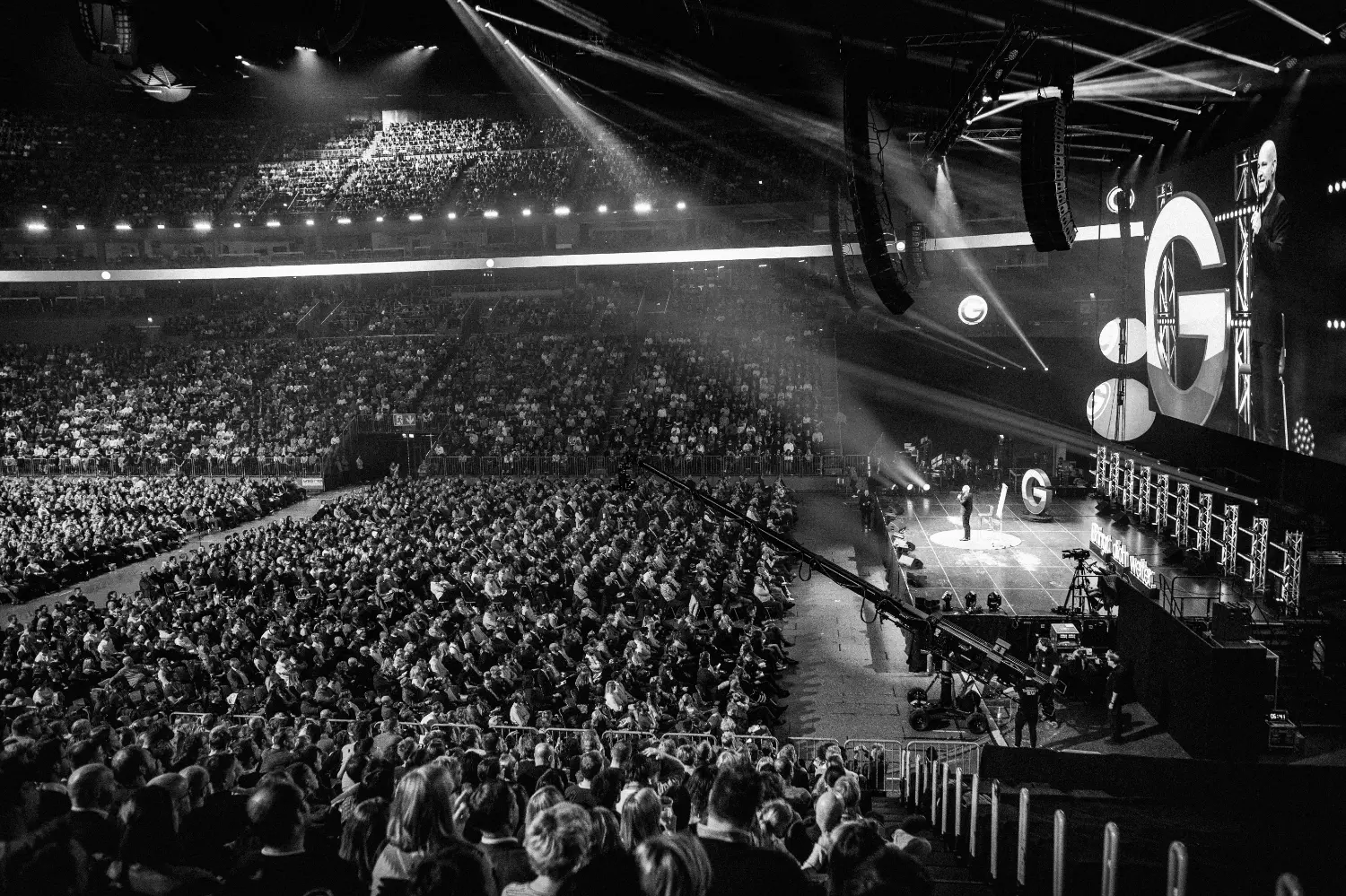
At Greator, creative direction operated inside a high-velocity environment with diverse stakeholders and constant output demands. The challenge was to ensure that film and motion content functioned as more than isolated assets, becoming part of a larger narrative system that supported brand growth and audience trust.
As Creative Director Film & Motion, I led the strategic and creative direction for all branded moving-image content. This included defining narrative frameworks, guiding concept development, and overseeing execution across campaigns, products, social channels, and live events. Creative decisions were shaped in close collaboration with senior brand, marketing, product, and event leadership, as well as executive stakeholders.
The role required orchestration as much as authorship. I led multidisciplinary teams and external partners, aligning creative ambition with operational reality. Concepts were designed to scale, narratives were built to travel across formats, and execution was calibrated to balance clarity, emotion, and performance.
This chapter reinforced the importance of systems thinking in creative work. It showed how direction, when clearly articulated, allows creativity to move fast without fragmenting—turning complexity into coherence and volume into meaning.
At global scale, creative direction became a system of alignment. The work focused on connecting long-term brand ambition to execution across markets, teams, and formats. Clarity of direction enabled consistency while allowing creative expression to adapt to diverse contexts.
Years
2016–2020
Role
Global Lead Employer Brand Design Film
Disciplines
Narrative strategy
Messaging frameworks
Campaign concepts
Multi-platform content narratives
Creative direction, film & motion
Platform direction
Credits
Global Head Employer Brand Strategy
Nanci Hogenboom-van het Hof
Leadership Team
Steve Fogarty, Kerri Arman
With
Jennifer Schäufelin, André Reyes Prosdocimi, Katia Stephanou, Sarah Sellars, Sandra Blank, Pranav Chadha, Nicole Hunt Harvey, Verena Stark, Michael Lejman
Thanks
Stewart Angus, Michael Stopps, Laura Ruprecht, Kadie Casey, Yonel Ilieva, Shaba Mohseni, Thorsten Konrad, Nadjim Tsouli, Ruud de Groot
Project info
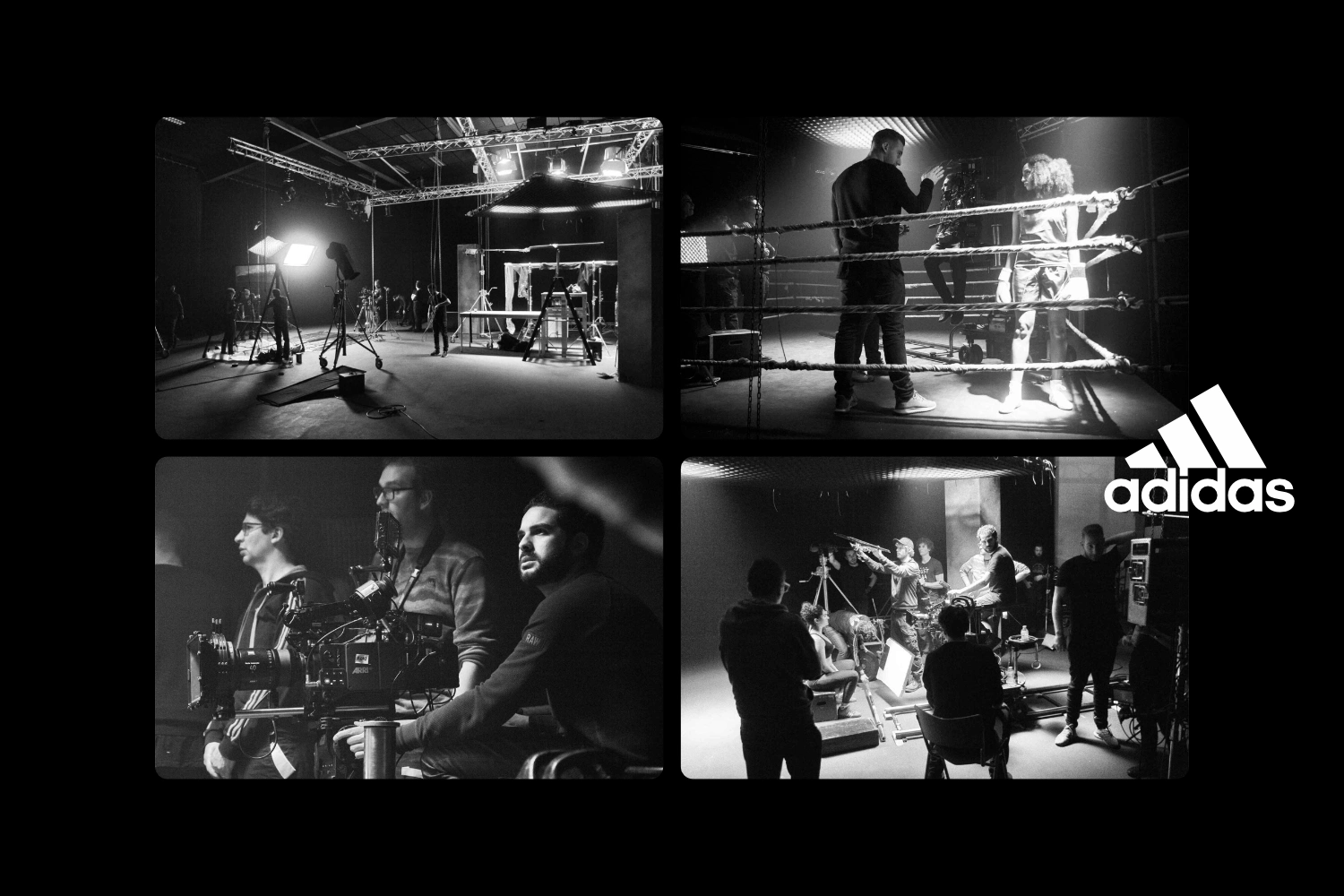
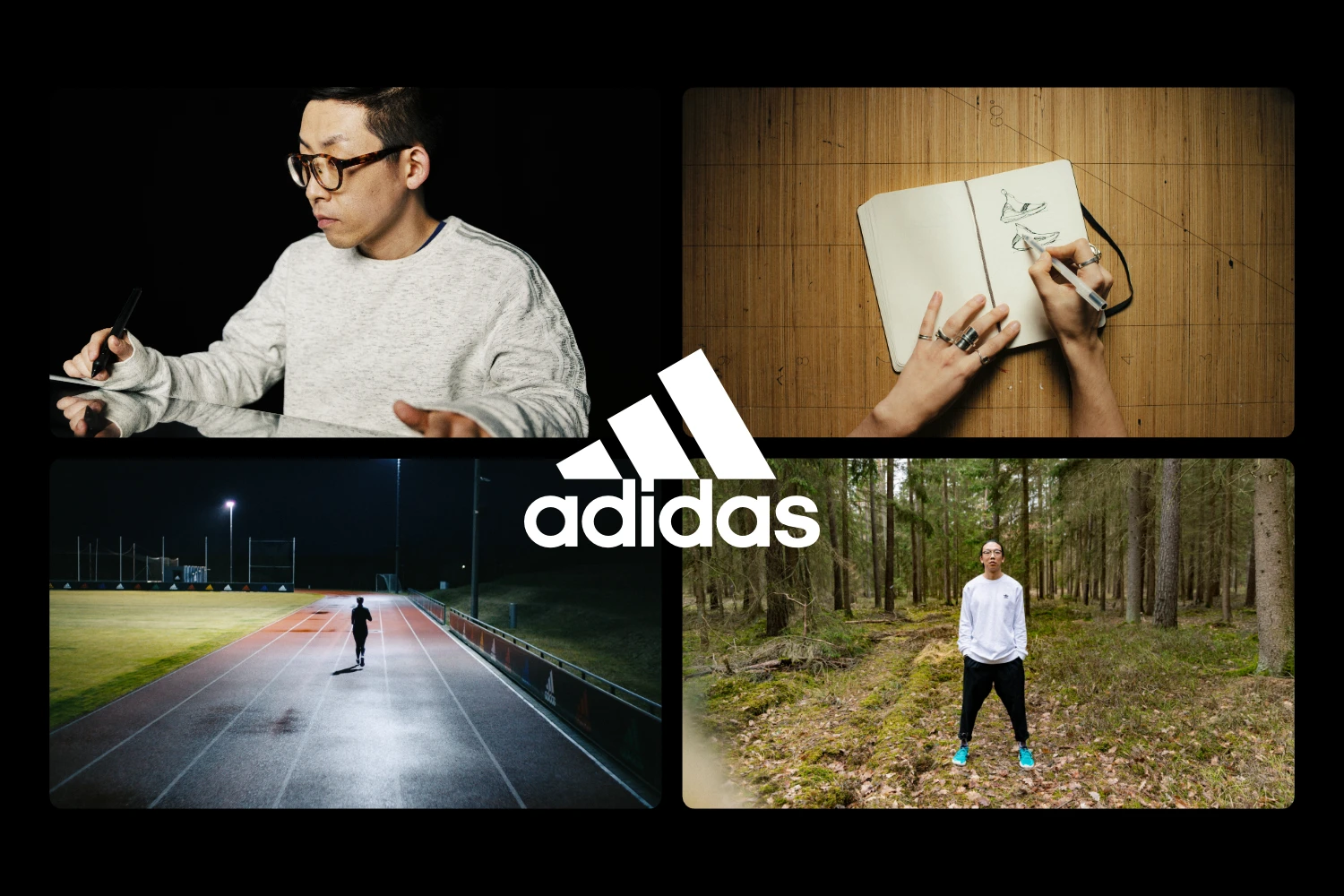
At adidas, creative work existed inside one of the world’s most recognized brand ecosystems. The responsibility extended beyond individual campaigns to shaping experiences that aligned with global brand principles while resonating across markets, cultures, and audiences.
As Global Lead Employer Brand Design for Film & Experience, I led the development of on-brand film and experiential content from concept to global rollout. Work was informed by market data and audience insight, translating strategic objectives into narratives that supported the full employer brand journey. Creative concepts were developed with longevity in mind, designed to be activated across regions while remaining adaptable to local context.
The role required close collaboration with brand communication, brand design, corporate communications, and senior leadership, including executive stakeholders. I led internal teams and external creative partners, ensuring consistency in quality, tone, and intent across a wide range of touchpoints.
This chapter sharpened an understanding of governance as a creative condition. It demonstrated how strong systems can enable clarity and scale when direction is precise, and how storytelling can humanize large organizations without diluting their identity. The experience reinforced the value of structure as a platform for meaning, rather than a constraint on creativity.
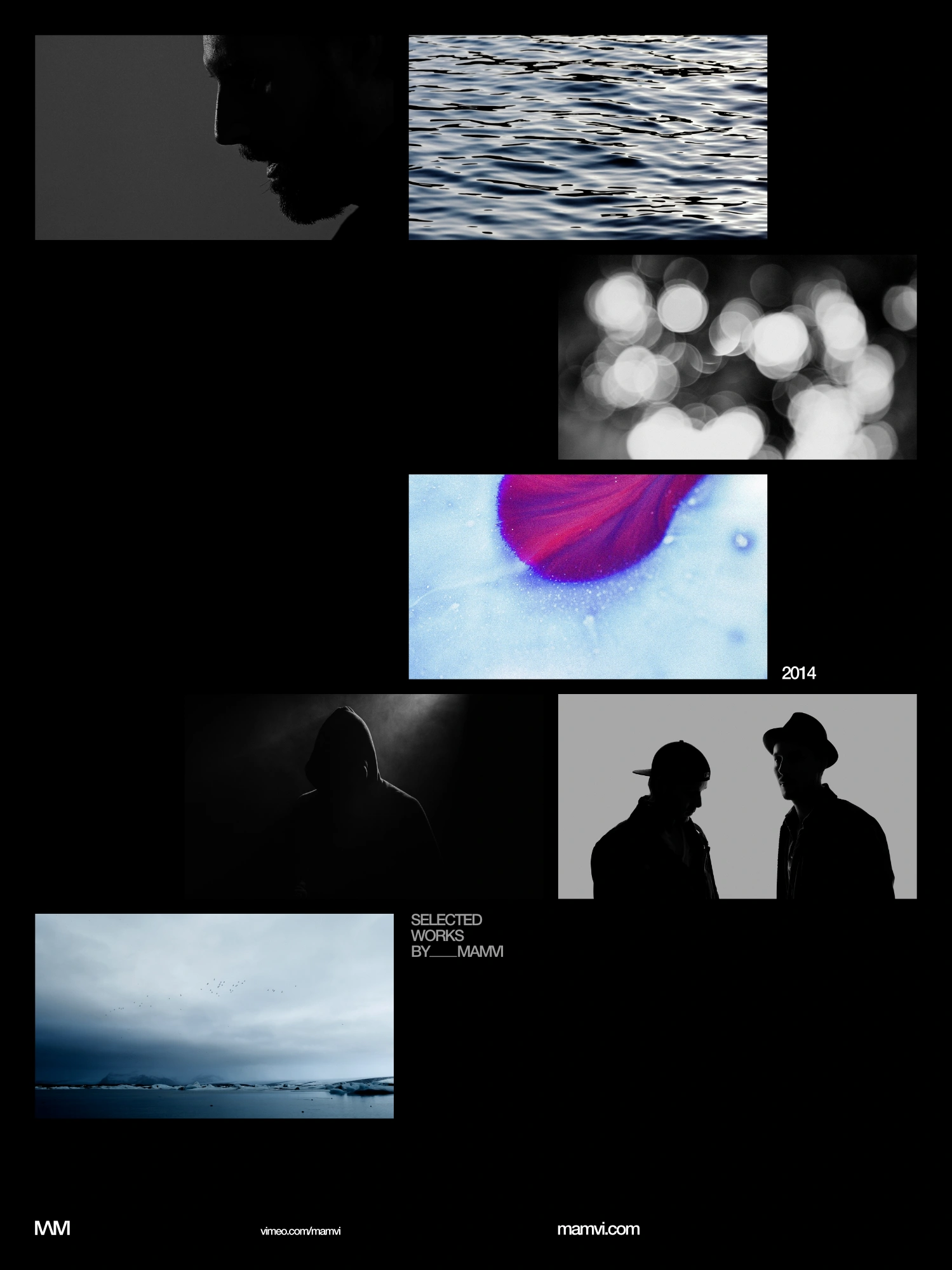
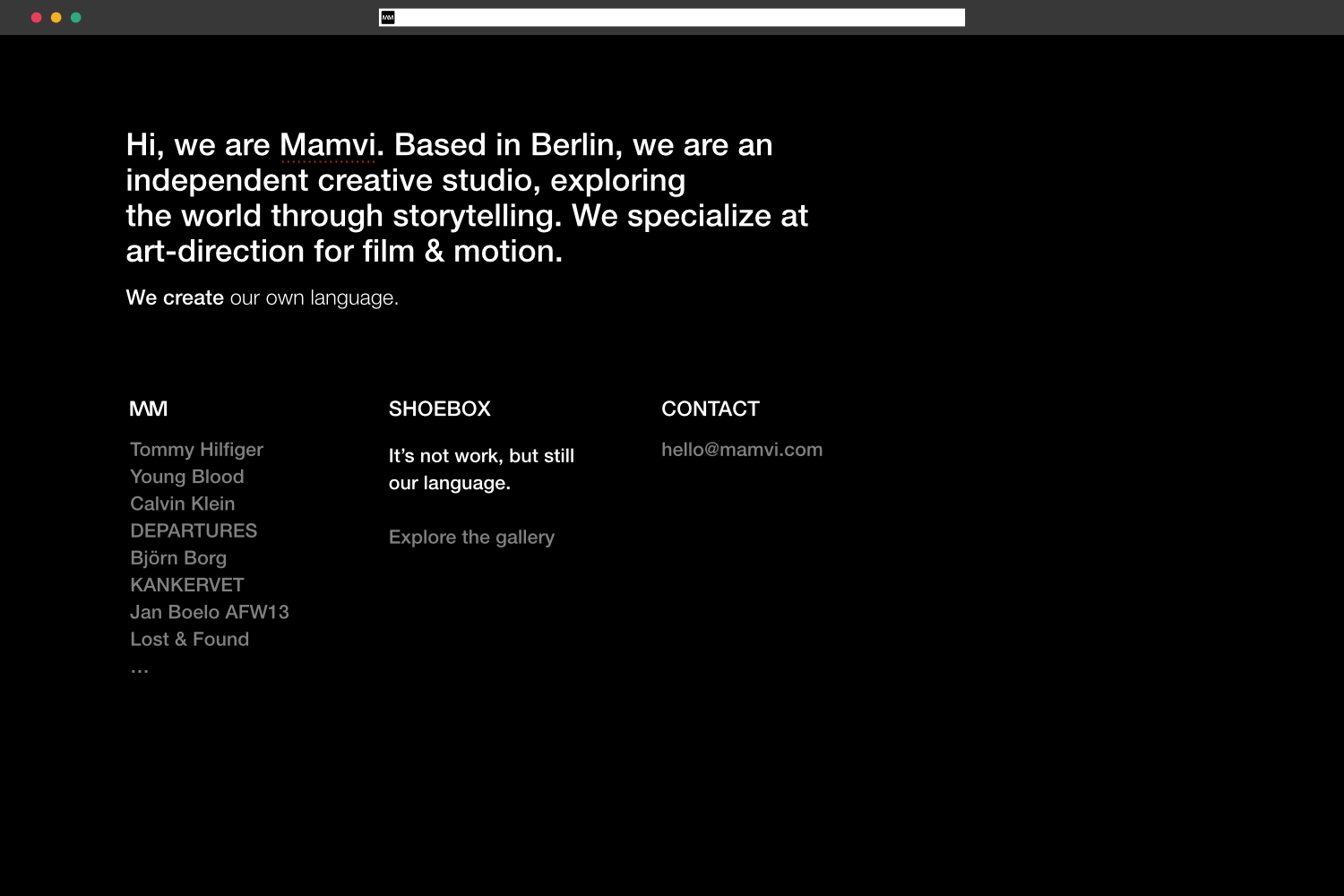
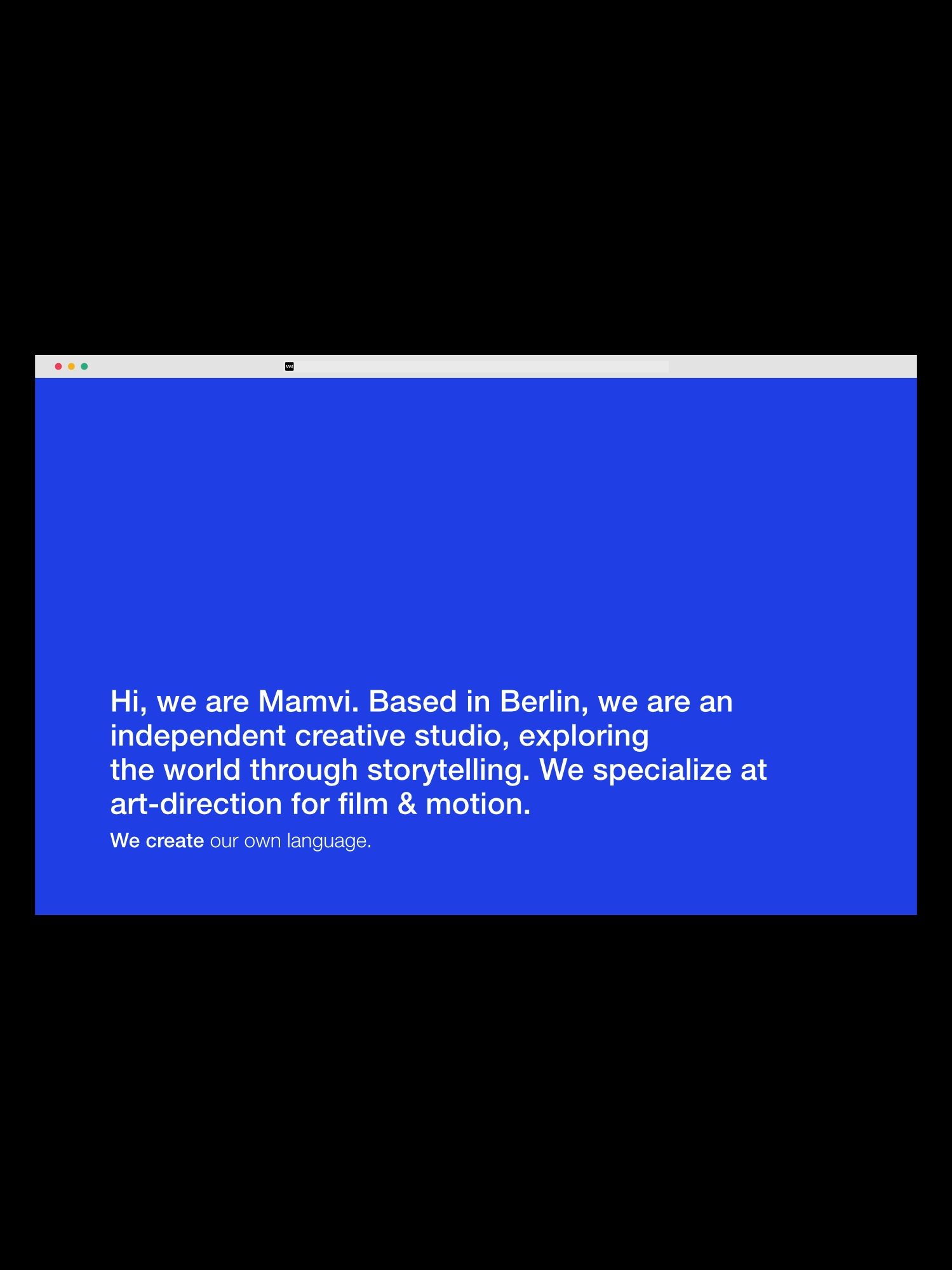
Mamvi marked the beginning of independent authorship. This chapter was defined by initiative, experimentation, and the responsibility of building something from conviction rather than assignment. Creative direction was inseparable from entrepreneurship.
Years
2011–2016
Role
Co-founder/Creative Director
Disciplines
Brand positioning & expression
Narrative strategy
Creative direction
Campaign concepts
Interactive storytelling
Art direction and look & feel
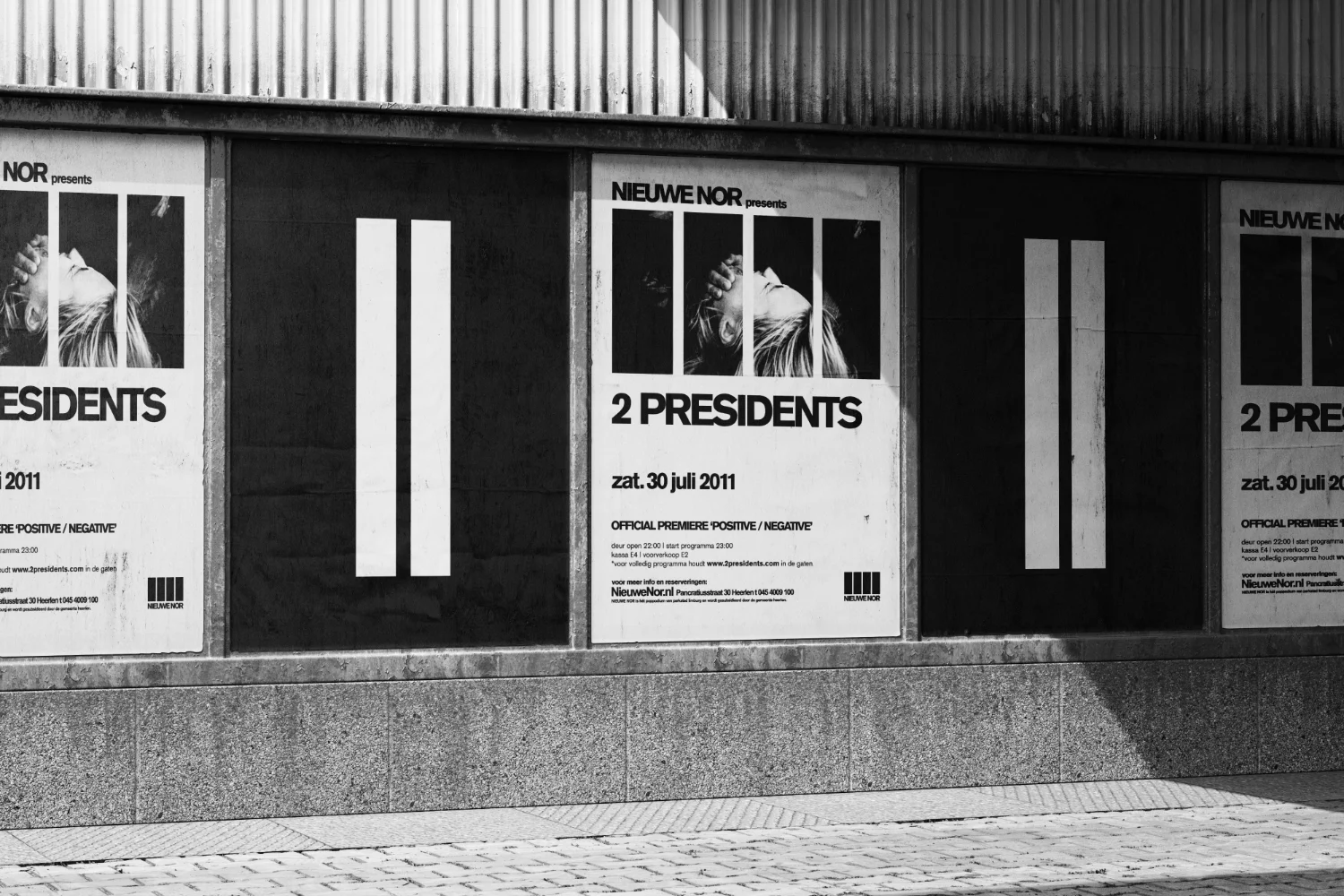
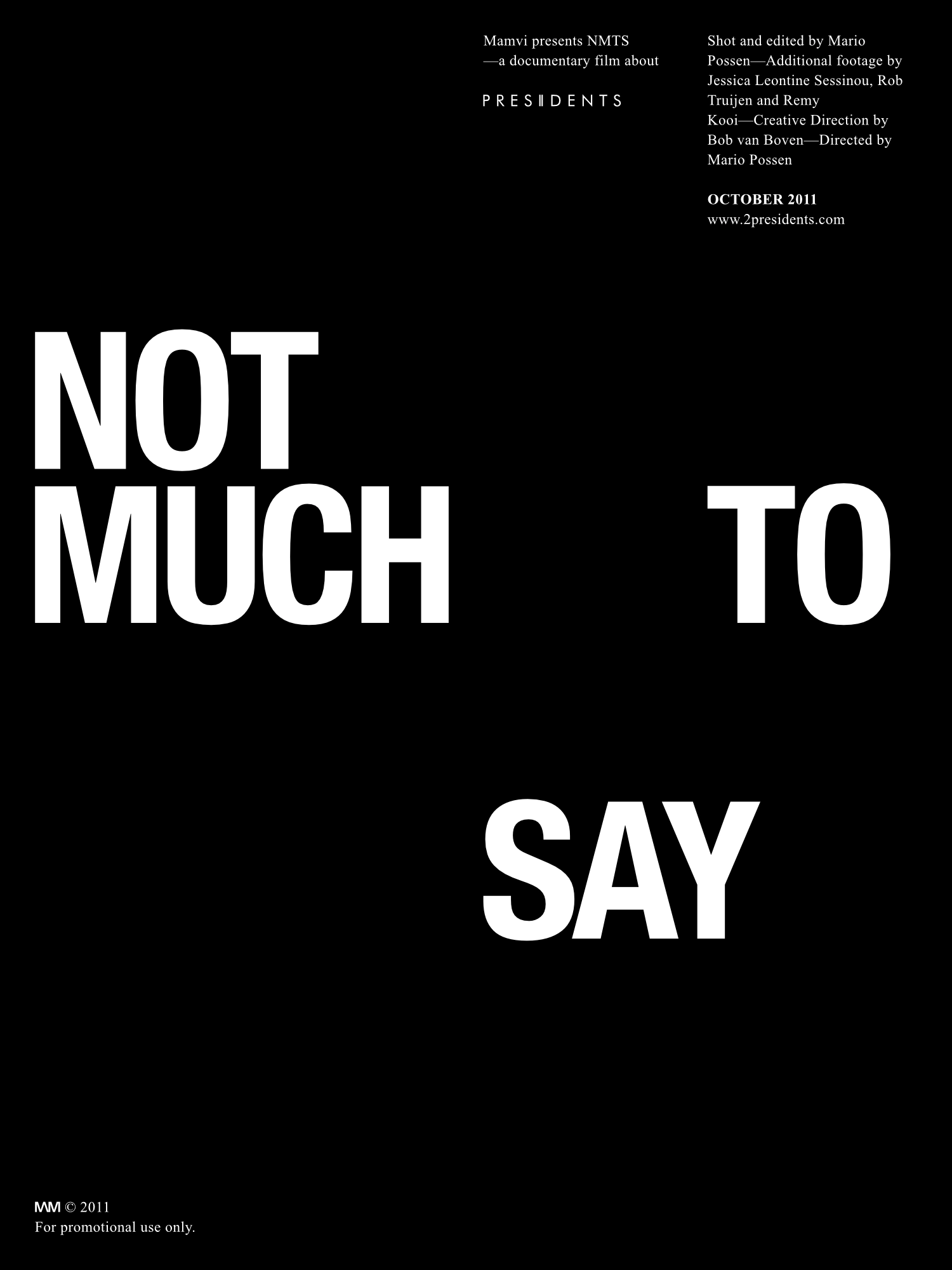
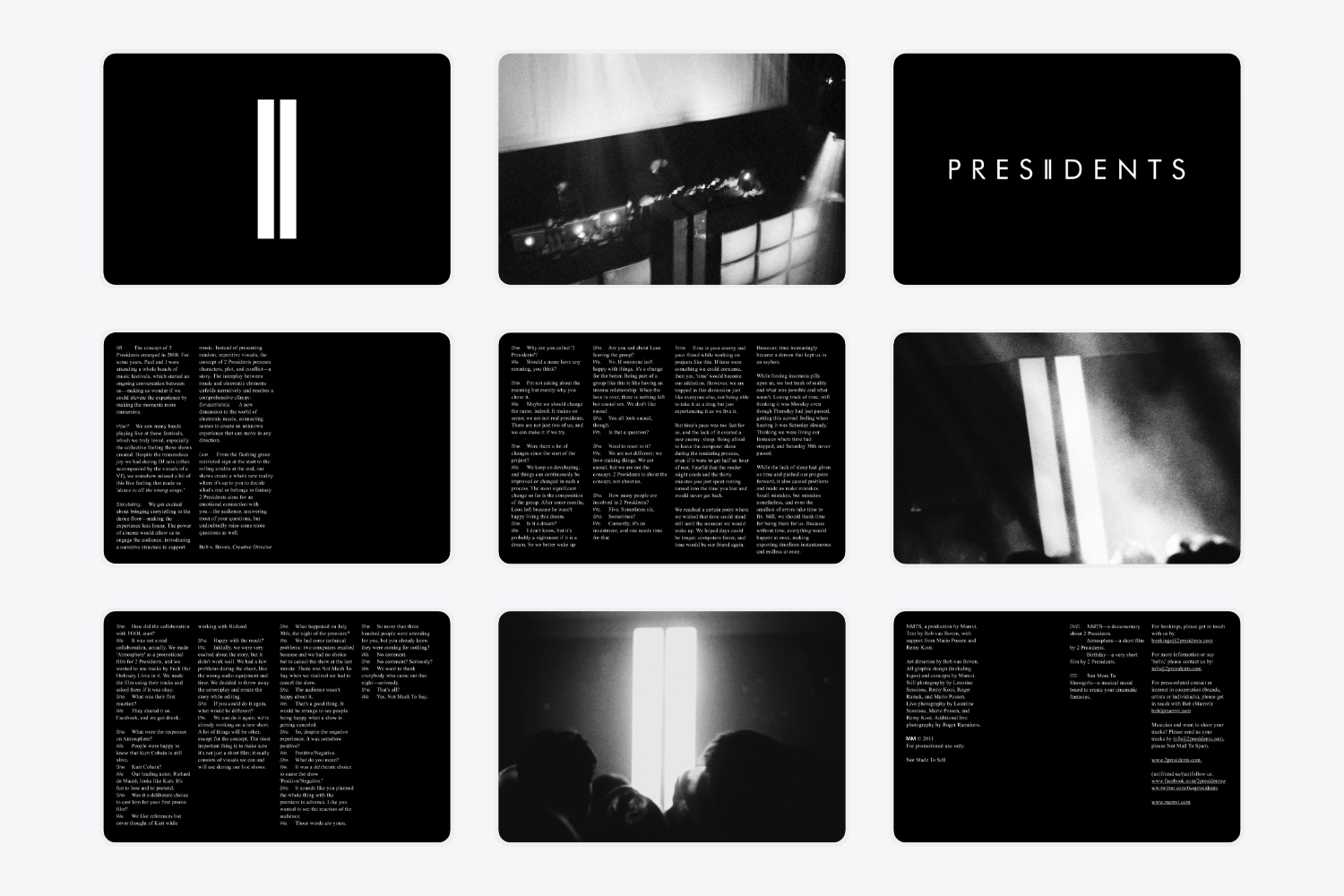
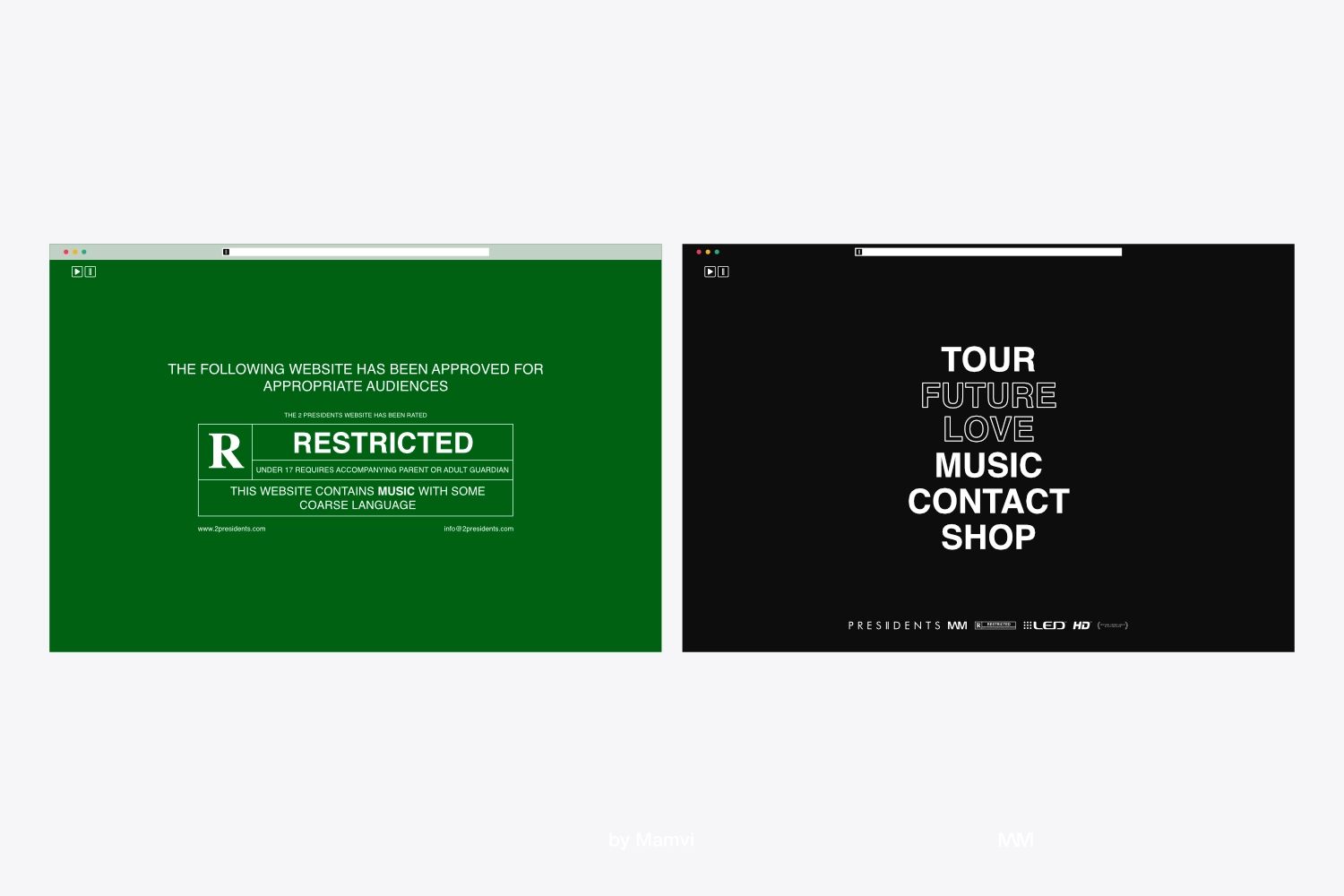
Credits
Founding partner
Jessica Sessinou
With
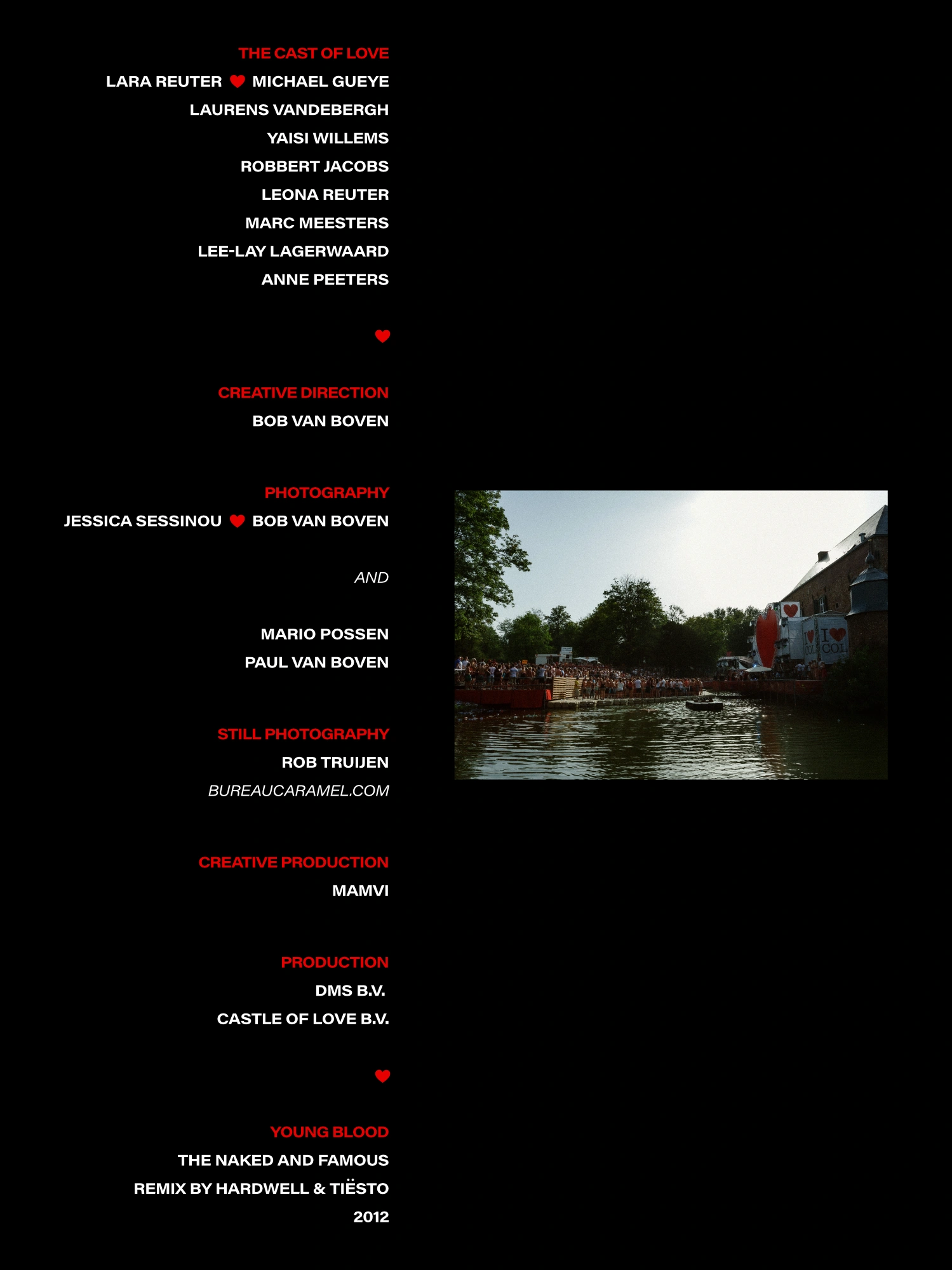
Mario Possen, Rob Truijen
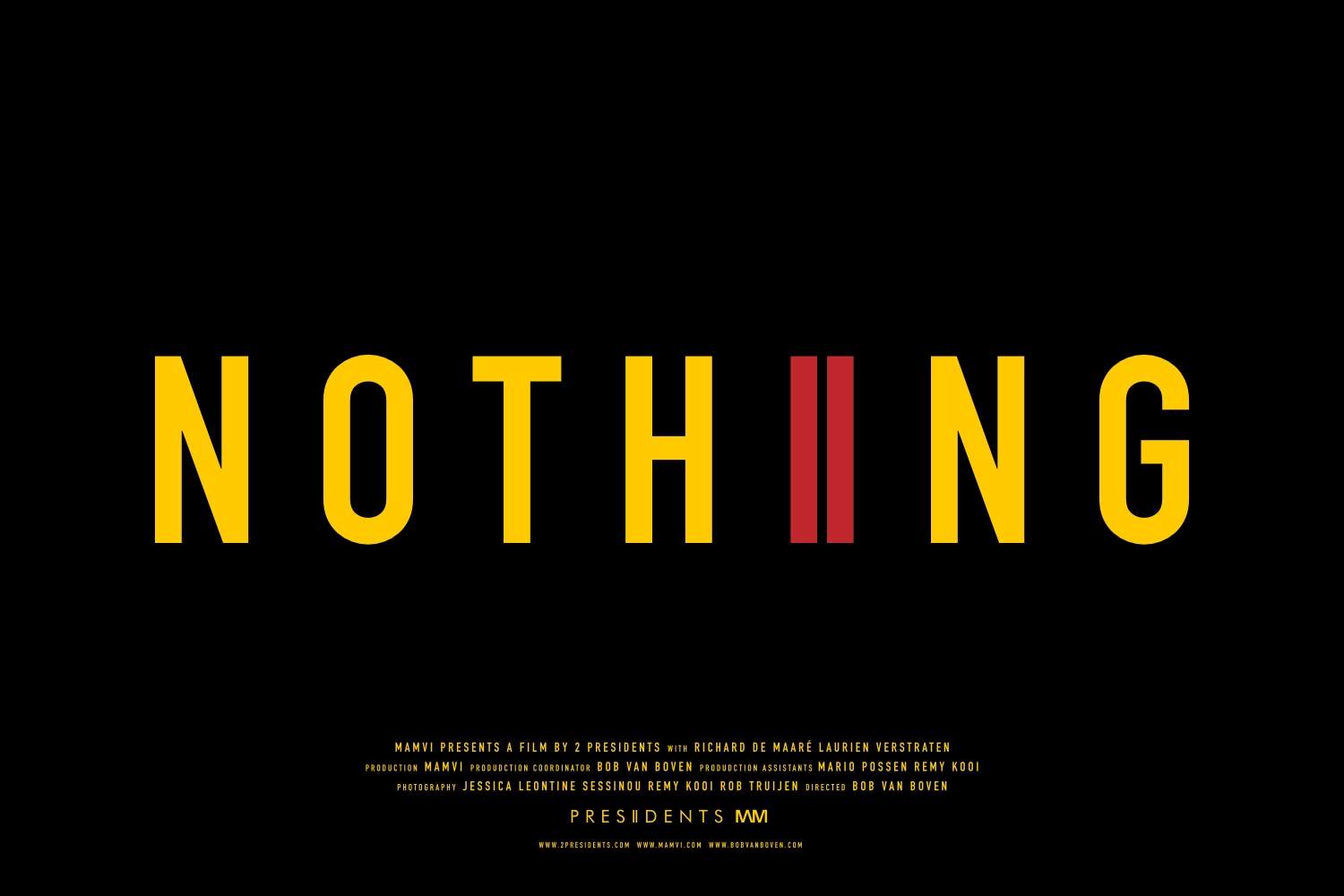
PRESIIDENTS (by Mamvi)
Concept & creative direction
Bob van Boven
Concept partners
Leon de Jager, Paul van Boven
Branding (identity & expression)
Bob van Boven
With
Mario Possen, Rob Truijen, Remy Kooi
Thanks
Alain Dortants, Kees van den Berg, Richard de Maaré, Laurien Verstraten
Project info
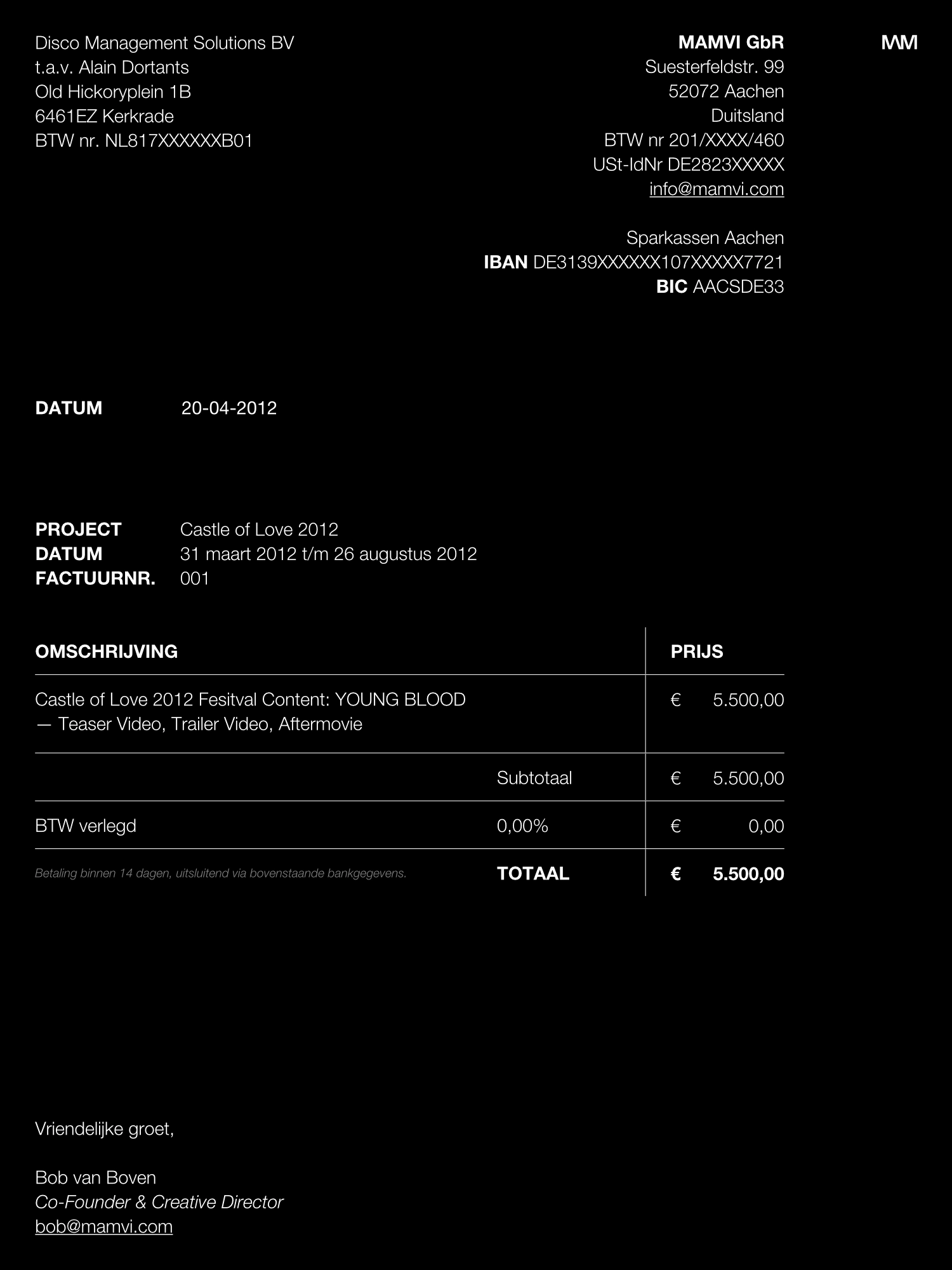
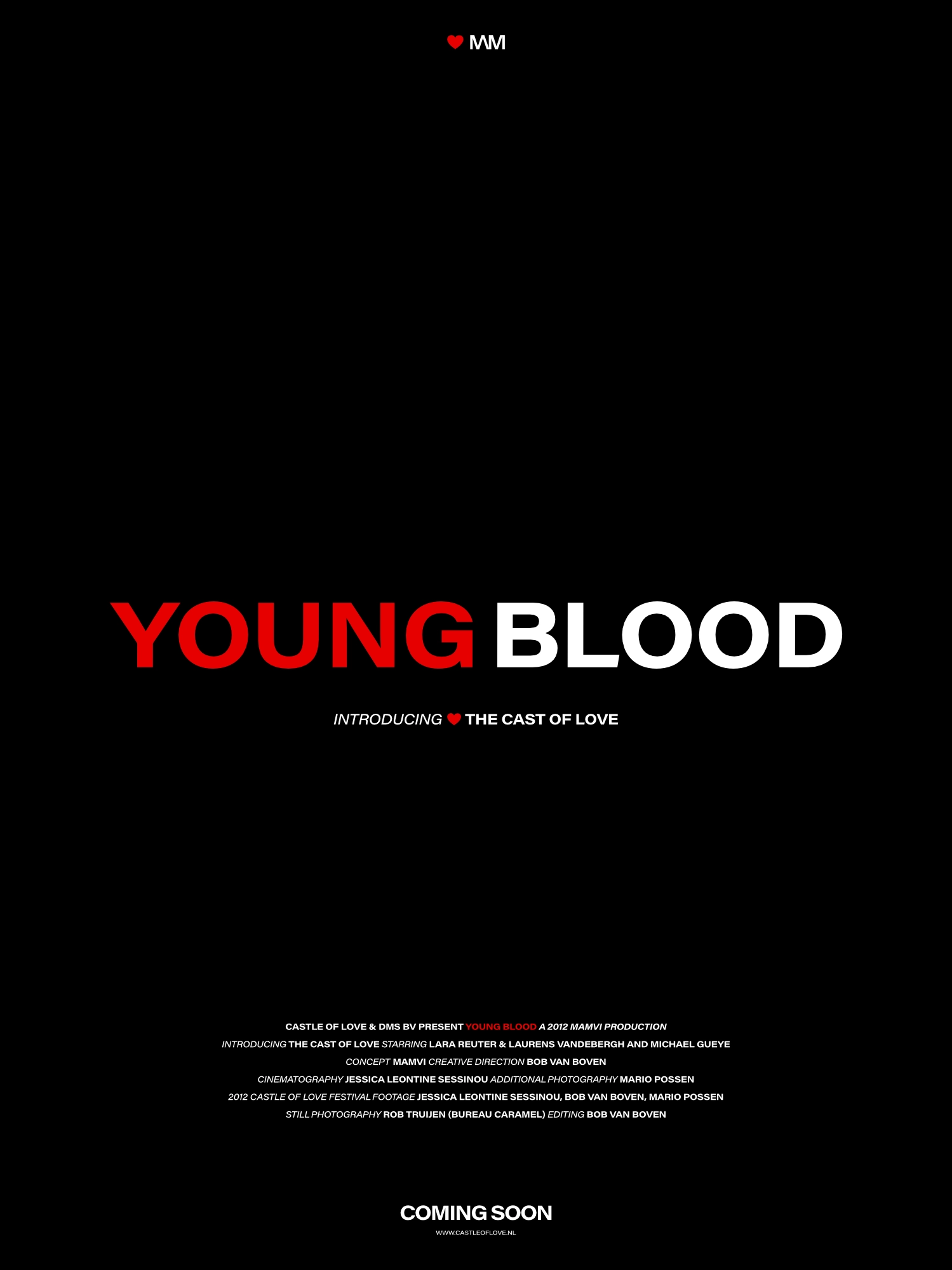
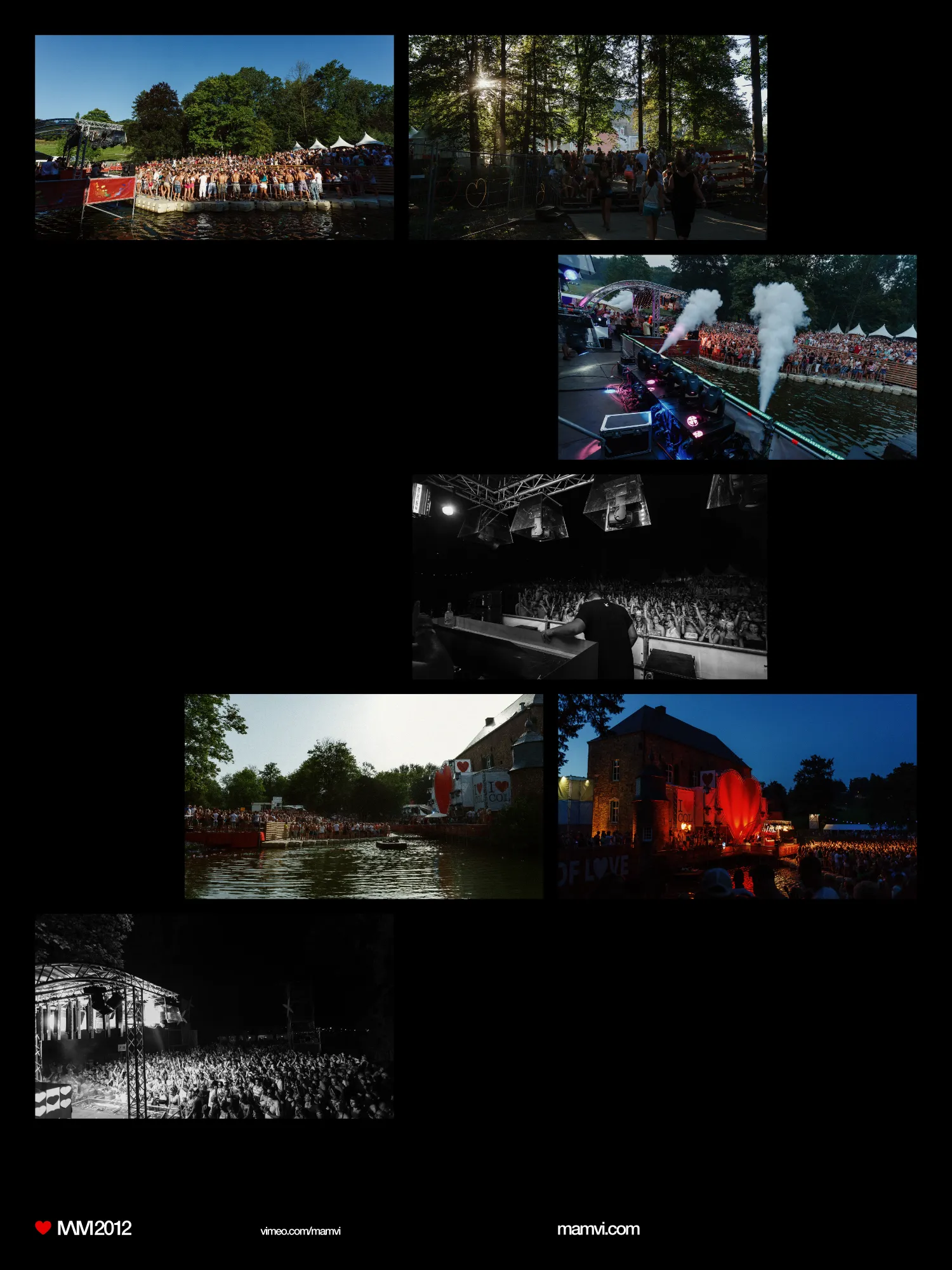
Co-founding Mamvi meant constructing a studio from first principles. Positioning, visual identity, tone of voice, client relationships, and operational structure were shaped simultaneously. Every decision carried weight because there was no established framework to inherit, only belief, taste, and ambition.
As Co-founder and Creative Director, I defined the studio’s narrative foundation and led its creative output across branding, film, and digital projects. Client work required balancing vision with viability, translating strategic thinking into expressive systems that could perform in real-world contexts. Projects spanned multiple industries, each demanding clarity of direction while reinforcing the studio’s own identity.
The experience exposed the full spectrum of creative leadership, from concept development and execution to client dialogue, financial responsibility, and team collaboration. It introduced the ongoing tension between creative conviction and commercial reality, a dynamic that later informed more structured leadership roles.
Mamvi established enduring patterns: independence of thought, belief in narrative as a strategic instrument, and a commitment to building frameworks rather than following trends. It laid the early architectural foundations of a practice that would later evolve into a more defined ecosystem.
2010–2025
Click a thumbnail to explore
Past Futures is a collection of (● selected) projects, collaborations, and creative explorations from across different periods, disciplines, and contexts. The work continues to resonate beyond its original context, informing new ideas, influencing future directions, and revealing the threads that run throughout an evolving creative practice.
ANC
The Agency of New Creativity
SEC2ND
2nd Best Studio
Greator
Celebrate Change
Greator
Greator Festival Online
adidas
Be Tomorrow
adidas
Breaking the Glass